






















An honest Montelobos Espadín mezcal tasting notes review: production, flavor, and what to pair it with. Read the breakdown.
A bottle of Montelobos Espadín arrived on my counter to earn an honest look.
Where the Smoke Actually Comes From
Montelobos starts in Santiago Matatlán, Oaxaca, under mezcalero Don Abel López Mateos, working with founder Iván Saldaña, a molecular plant biologist who treats agave like a research subject instead of a marketing prop. The Espadín agave is organically grown, cooked in underground stone pits, then crushed with a mule-pulled tahona wheel.
That stone-pit roast is where the smoke compound actually forms, not from the still, and it’s a different smoke profile than what you get from steam-cooked, mechanized tequila production. Fermentation happens wild, in open pine vats, with whatever yeast shows up on its own. No lab strain, no consistency guarantee.
A brand with William Grant & Sons money behind it still lets a pine vat and ambient yeast decide the final flavor. That’s either a risk or the whole point, depending on how much you trust the process.
What’s Actually in the Glass
Pour it and the color is clear, almost crystalline.
On the nose: damp earth, cut grass, a thread of honey, and citrus peel sitting right on top of the smoke, not buried under it. On the palate, the cooked-agave sweetness and the green, vegetal agave bite trade off almost evenly, which is the balance Saldaña built the whole brand around.
Black pepper shows up late, on the finish, with a little roasted-nut weight underneath it. At 43.2% ABV, it doesn’t punish you for sipping it neat, which is rarer than it should be at this price point.
Where This Fits at the Table
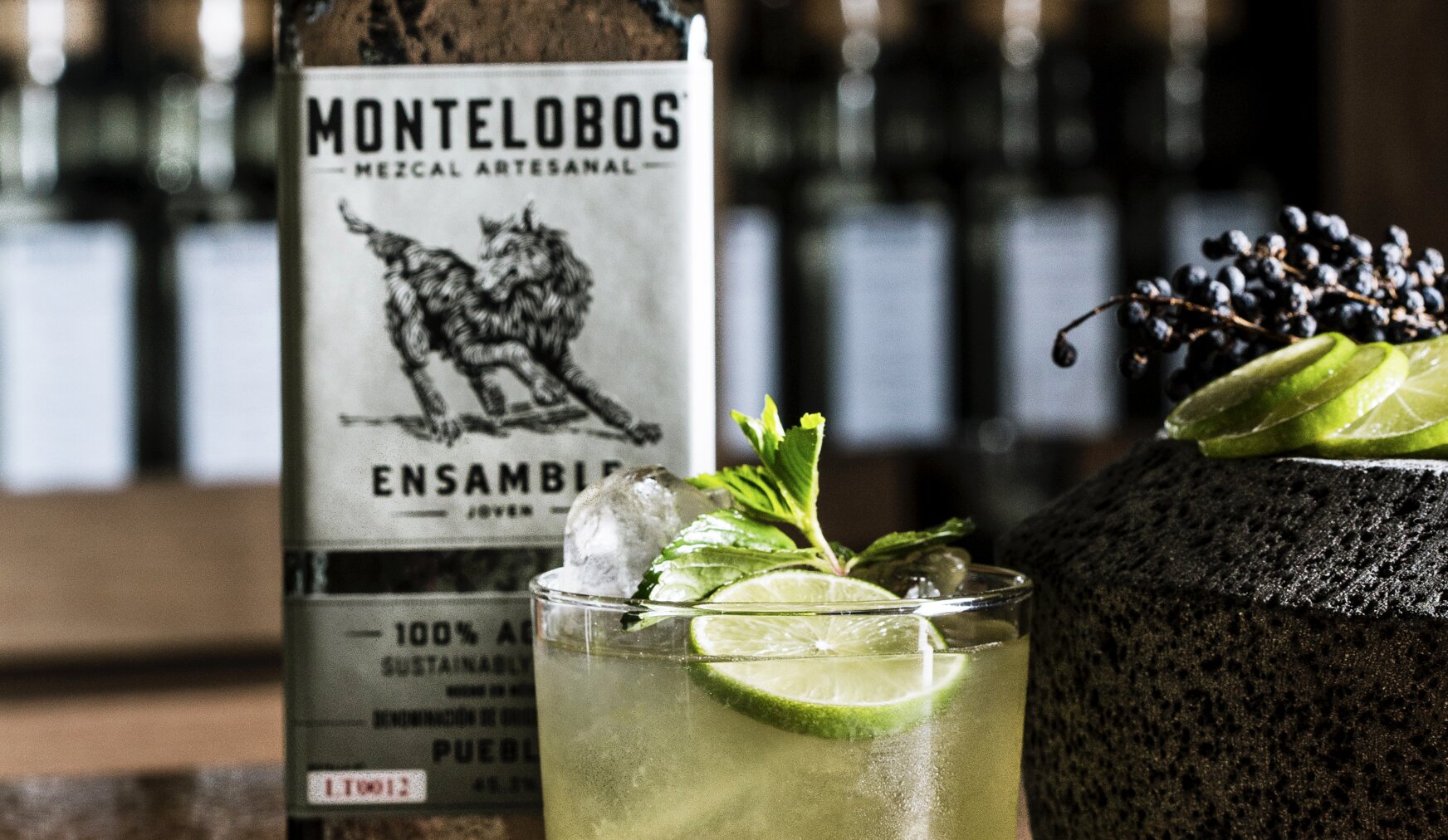
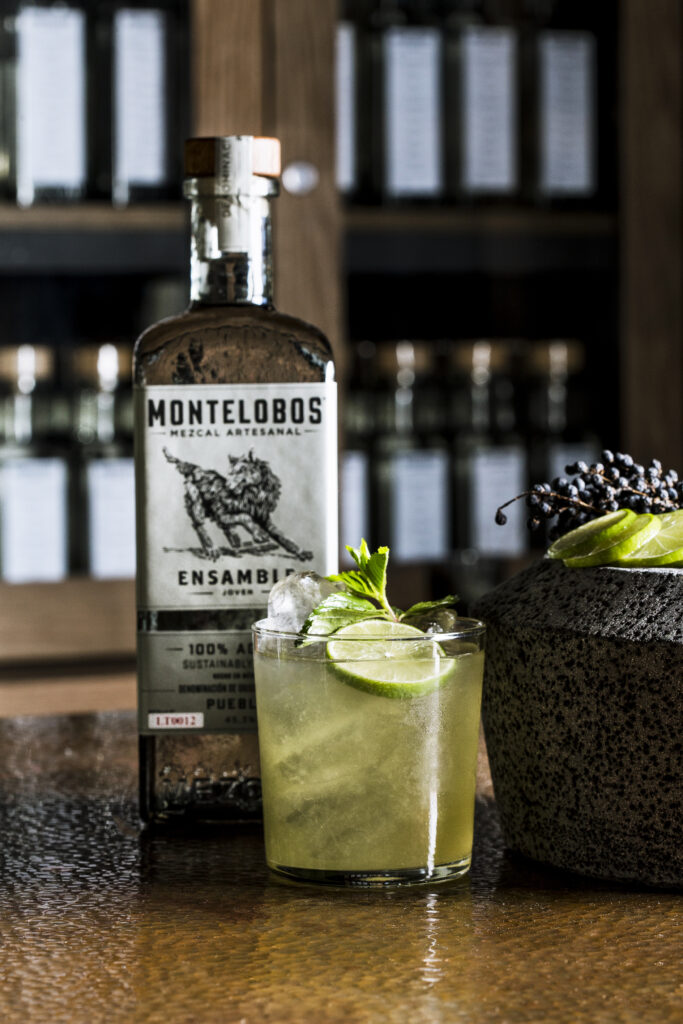
This isn’t a sipping mezcal in the way a single-village bottle from a smaller palenque might be. It’s built to work two ways: neat, for someone who wants an entry point into artisanal mezcal without a steep price tag, or as a cocktail base that won’t get lost behind lime and agave syrup. Montelobos itself pairs it with avocado salt and green tomato, which tracks: the acid and fat pull the herbal, grass-forward notes forward instead of letting the smoke dominate. Char works too. Grilled corn, a blistered pepper, anything with real fire contact on it.
Mini FAQ
Is Montelobos Espadín good for sipping, or only cocktails?
Both. It’s smooth enough to sip neat at 43.2% ABV, but the price point and balanced profile also make it a strong, not-lost-in-the-mix cocktail base.
What does “joven” mean on a mezcal label?
Joven means unaged, bottled straight after distillation with no barrel time. Montelobos Espadín is a joven, so the color and flavor come entirely from the agave, the roast, and the fermentation, not from wood.
Is Montelobos Espadín organic?
Yes. The Espadín agave used is certified organic and grown without pesticides or herbicides, according to the brand.
Worth it
What Montelobos Espadín actually offers is a mezcal willing to let wild fermentation introduce real variation, bottle to bottle, instead of engineering consistency out of the process. At this price, that’s a rare thing to find on a liquor store shelf.









Avocado salt, green tomato, grilled corn, blistered peppers.
pairs with avocado and charred vegetables is already speaking my language.
Okay, grilled corn + mezcal sounds like my night now.
What caught my attention is the wild fermentation. Allowing ambient yeast creates some variation, righ? a pretty bold choice.
The damp earth, citrus peel, honey and pepper description sold me. Sounds like enough smoke to be interesting without tasting like a campfire.
Would absolutely try this in a mezcal margarita.