
























In-N-Out changed its dyes, sweeteners, buns and ketchup. See what changed and whether the food is actually healthier.
From artificial food dyes to real sugar, In-N-Out Burger has been making big changes behind the scenes. Here’s what’s different, what it means for customers, and whether your favorite burger is actually healthier.
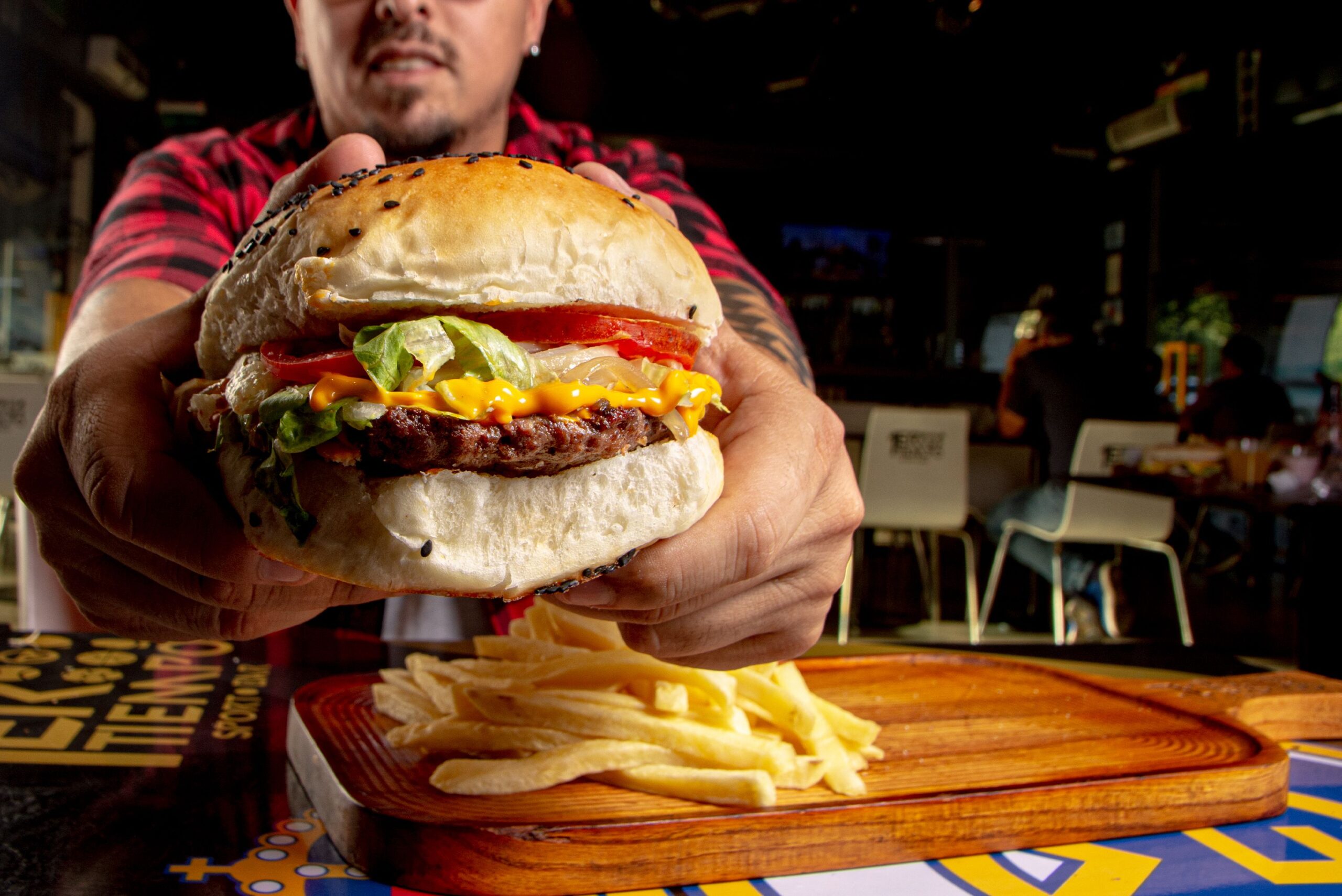
Your Double-Double looks the same. The fries still come in the familiar red tray. And the line at the drive-thru probably hasn’t gotten any shorter.
But what’s going into your favorite In-N-Out Burger meal has been changing.
The California-born burger chain has spent the past several years replacing certain artificial colors, sweeteners, and other ingredients. Some of those changes were announced in May 2025. Others arrived in 2026.
The company says the goal is better ingredient quality. Customers are paying attention.
But there’s a bigger question worth asking: Does cleaner labeling mean healthier fast food?
The answer isn’t as simple as you might expect.
What Ingredients Did In-N-Out Burger Change?
In May 2025, In-N-Out President Lynsi Snyder detailed a series of changes affecting everything from the chain’s famous spread to its strawberry shakes.
The most noticeable involved artificial food coloring.
Yellow 5, a synthetic dye used in several food products, was being replaced with turmeric in the chain’s pickles, chilies, and spread.
Red 40 was being replaced with beta carotene and vegetable juice in strawberry shakes and Signature Pink Lemonade.
The company also outlined other changes:
- Replacing high-fructose corn syrup with sugar in shake mix, strawberry syrup, spread, and pink lemonade.
- Replacing artificial vanilla with natural vanilla in shakes.
- Switching to natural flavorings in chocolate syrup and hot cocoa.
- Removing cottonseed oil from hamburger buns.
- Replacing calcium propionate in buns with natural enzymes.
The changes were described by Snyder in reporting published by SFGATE on May 15, 2025.
For a chain built around a short menu and consistent recipes, this was a notable shift.
And In-N-Out wasn’t finished.
In-N-Out Made More Ingredient Changes in 2026
On September 8, 2026, In-N-Out announced additional updates to its ingredients.
The company confirmed that sesame flour had been removed from hamburger buns across its 10-state restaurant footprint.
That matters for customers with sesame allergies, although anyone with a serious allergy should still check current allergen information and possible cross-contact risks before ordering.
In-N-Out also announced that it was replacing iodized salt with sea salt in its seasoning packets.
And it confirmed that its ketchup had transitioned during 2025 to a version made with real sugar instead of high-fructose corn syrup.
The ketchup change applies to packets and restaurant dispensers.
According to September 2026 reporting by the Los Angeles Times, the company described the updates as part of its long-term commitment to food quality.
The changes are significant because they affect everyday menu staples rather than introducing entirely new products.
Why Is In-N-Out Removing Artificial Food Dyes?
Synthetic food dyes have become a major topic in the American food industry.
Consumers are questioning why artificial colors appear in everyday foods, especially when manufacturers can sometimes achieve similar results with plant-derived alternatives.
In January 2025, the Food and Drug Administration announced that it was revoking authorization for Red No. 3 in food, with a compliance deadline for food manufacturers in January 2027.
That action helped bring new attention to artificial coloring across the restaurant industry.
In-N-Out’s changes, however, specifically included removing Red 40 from strawberry shakes and pink lemonade. Red 40 and Red 3 are different additives.
The company also moved toward turmeric, beta carotene, and vegetable juice as alternative color sources.
These ingredients may sound more familiar to shoppers reading a label.
But an ingredient’s natural origin does not automatically prove that it is safer or healthier.
What matters is the specific ingredient, the amount consumed, and the evidence behind the claim.
Is Real Sugar Actually Better Than High-Fructose Corn Syrup?
This is where the conversation gets interesting.
In-N-Out’s move away from high-fructose corn syrup sounds like an obvious improvement.
And for customers who prefer cane sugar, it may be a welcome change.
But from a nutritional standpoint, the difference is less dramatic.
According to the FDA, common forms of high-fructose corn syrup contain glucose and fructose in proportions similar to those found in table sugar.
The agency says it is not aware of evidence demonstrating a difference in safety between foods containing these common forms of corn syrup and foods with comparable amounts of other traditional sweeteners.
In plain English, replacing corn syrup with sugar doesn’t make the sugar disappear.
A strawberry shake can still contain substantial sugar, regardless of which sweetener the recipe uses.
The meaningful question is how much sugar you’re consuming, not simply what type appears on the ingredient list.
In-N-Out’s decision may appeal to consumers seeking simpler ingredient labels. That’s different from proving a major nutritional benefit.
Does Sea Salt Make In-N-Out’s Food Healthier?
Not necessarily.
Sea salt and traditional table salt contain similar amounts of sodium by weight.
Sea salt may contain small amounts of other minerals, but it is not automatically a healthier choice.
There’s another difference worth considering.
Iodized salt provides iodine, an essential nutrient that helps support thyroid function. Sea salt generally does not provide the same reliable iodine source unless it is fortified.
For most customers, the seasoning change may be more about taste and ingredient preference than measurable health benefits.
The total sodium in the meal remains the more important nutritional consideration.
What About In-N-Out’s Burgers and Fries?
The ingredient changes do not erase the nutritional profile of the food.
Burgers still contain calories, saturated fat, and sodium. Fries are still fried. Shakes still contain sugar.
Removing artificial colors does not automatically reduce those numbers.
Customers interested in nutrition should compare current serving sizes, calories, sodium, and added sugar rather than treating any single ingredient change as proof of a healthier meal.
There is also an important distinction between removing selected additives and eliminating processed ingredients altogether.
In-N-Out’s published ingredient information still lists ingredients such as preservatives and emulsifiers in certain products.
That doesn’t mean those ingredients are inherently unsafe.
It means the company’s recipes should be judged by what they actually contain, not by sweeping claims that all processed ingredients are gone.
Why These Changes Matter Beyond In-N-Out
In-N-Out has built its reputation around consistency.
Customers know what they want before they reach the counter. The menu is familiar. The brand has resisted many of the trends that dominate larger fast-food chains.
That makes these ingredient changes more interesting.
The company is adjusting how familiar products are made without radically changing what it sells.
It also reflects a broader food-industry challenge.
Restaurants face growing pressure to explain what’s in their products. Customers want transparency, recognizable ingredients, and confidence in the foods they buy.
But companies also need to maintain taste, price, consistency, and safety across hundreds of locations.
Changing a recipe sounds simple. Doing it across an entire restaurant chain is a much bigger decision.
In-N-Out’s approach suggests that even brands known for tradition see reasons to reconsider their ingredients.
Frequently Asked Questions
When did In-N-Out change its ingredients?
In-N-Out announced major changes involving artificial dyes, sweeteners, and other ingredients in May 2025. It announced further updates to hamburger buns and seasoning packets in September 2026.
Did In-N-Out remove Red 40?
Yes. In May 2025, the company announced plans to replace Red 40 in strawberry shakes and Signature Pink Lemonade with alternative coloring ingredients.
Does In-N-Out still use high-fructose corn syrup?
The company has confirmed replacing high-fructose corn syrup in several products, including its ketchup. That does not establish that every ingredient in every menu item is free of high-fructose corn syrup.
Is In-N-Out healthier now?
Some customers may prefer the revised ingredients. However, replacing artificial colors and sweeteners does not automatically reduce calories, sodium, saturated fat, or total sugar.
Did In-N-Out change its hamburger buns?
Yes. In 2026, the company announced that sesame flour had been removed from its hamburger buns across its restaurant footprint. Earlier changes addressed other bun ingredients.
The Bottom Line
In-N-Out deserves attention for making real changes to familiar products.
Replacing certain synthetic dyes, changing sweeteners, and updating bun ingredients are meaningful decisions for a restaurant chain with such a loyal following.
But the word healthier deserves more scrutiny.
A simpler ingredient list can be appealing. It doesn’t automatically change the nutritional value of a meal.
The bigger story is that In-N-Out is willing to adjust recipes while protecting the menu customers love.
And in an industry where consumers are asking more questions about what they eat, that matters.