




























How the Perdekamp Emotional Method challenges hidden rules of emotion and helps people safely reclaim their full emotional range.
If you grew up around any major city, you probably learned early that some feelings are “allowed” and some are…better hidden.
Boys are told to be strong. Girls are told to be “nice.” Certain emotions look chic and others feel off-limits.
The Perdekamp Emotional Method (PEM) steps straight into that social maze.
Born in European theater and now reaching actors and everyday people worldwide, PEM treats emotion not as drama, but as biology and skill. It asks a bold question: what if anger (aggression), fear, grief, lust, joy (happiness) and disgust (revulsion) are simply built-in movement patterns you can learn to access, train and release—without trauma, and without breaking yourself or anyone else?
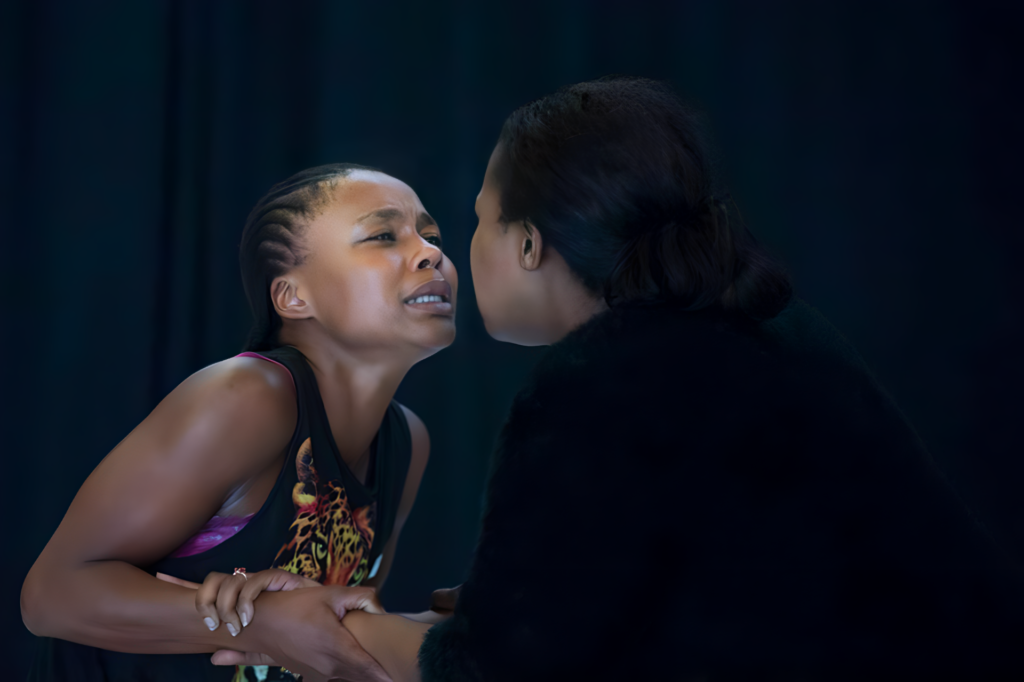
In a world obsessed with image, PEM offers something surprisingly rare: a humane, repeatable way to feel fully and stay sane.
How the Perdekamp Emotional Method Started Asking New Questions
In the 1990s, theater director Stephan Perdekamp watched colleagues push actors past their limits. Emotional breakdowns were treated like trophies. He wanted intensity on stage, but he didn’t want to destroy people to get it.
Instead of mining private trauma, he began studying how the body itself creates emotion: subtle electrical currents in the nervous system, tiny movement patterns, changes in breath. Over three decades, that research became PEM—a method now taught across six continents, from drama schools in Germany to workshops in New York, LA, and beyond.
One detail says a lot about the method’s relatability: “Our oldest student was 88 and a half years old and wanted to learn about emotions at that age.” This isn’t just for twenty-something actors chasing TV series regular roles. It’s for anyone who suspects they were trained, by family, culture, gender norms—to shut parts of themselves down.
Psychologists have long shown that emotion rules are gendered: women are rewarded for softness and sadness, men for anger and control. Across cultures, men and women are socialized to display different feelings, even when they experience similar ones.
PEM doesn’t fight those norms with slogans. It goes under them, into the body.
Who Gets to Feel Anger, Who Gets to Cry?
Ask around in creative groups: who’s “allowed” to rage in public? Who’s allowed to sob? The answers still break along social lines: gender, race, class, even neighborhood. Sociologists call them “feeling rules”: invisible agreements about who gets to feel what, where, and how loudly.
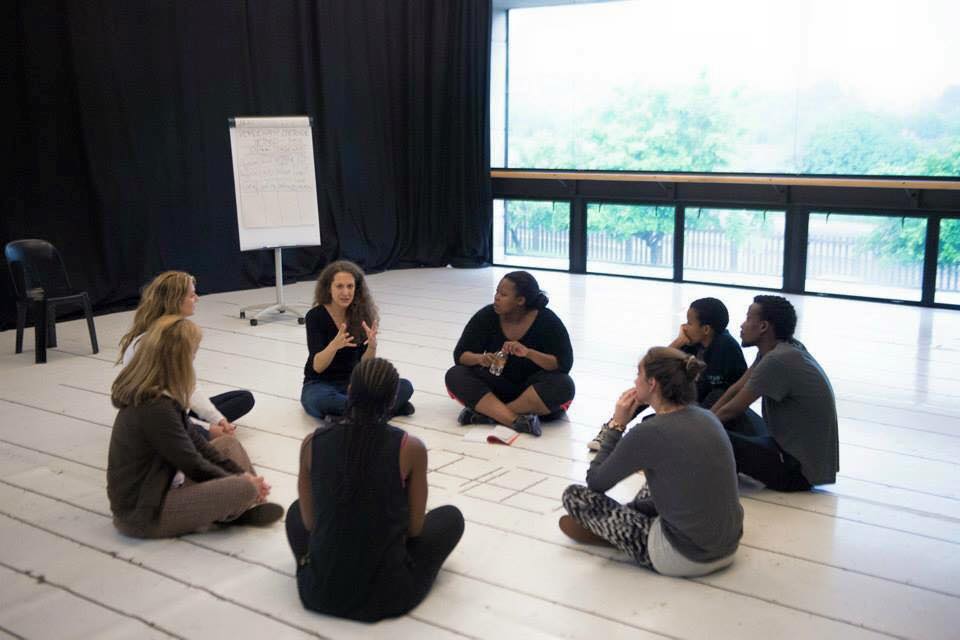
PEM workshops become a kind of emotional speakeasy. In a studio in Manhattan or a black box in Las Vegas, people explore grief, aggression, fear and Joy (happiness) as physical patterns, not moral failures. One moment you’re doing a fear run on a baseball field with drama students; the next, you’re laughing together at how wild it feels. That mix of seriousness and sense of humor makes the work surprisingly accessible—even to people who would never touch classic “therapy speak.”
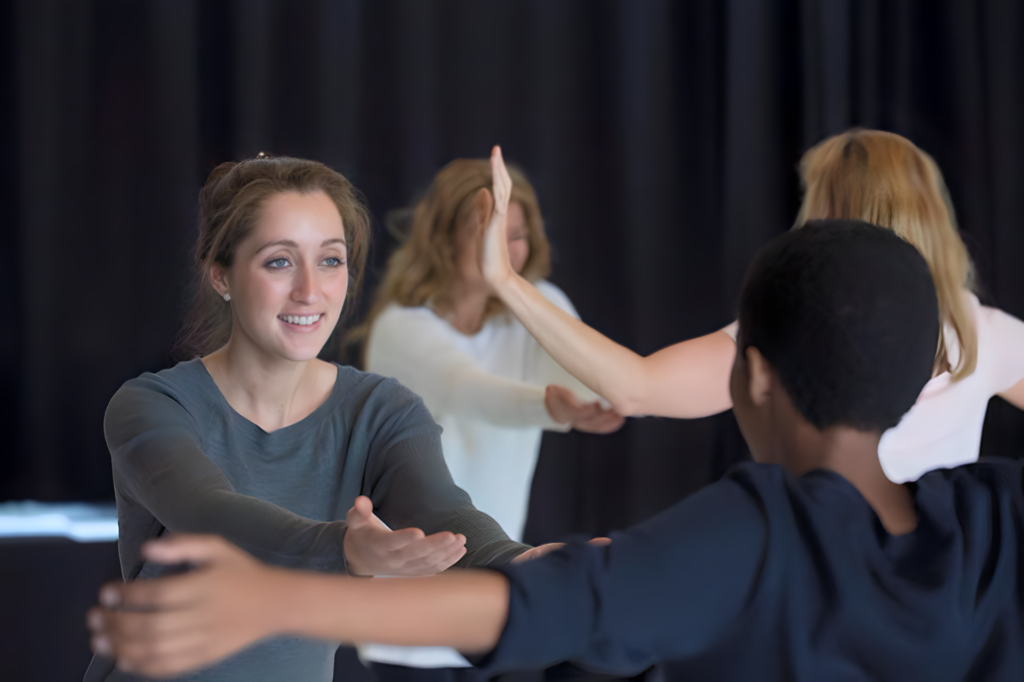
For actors, PEM unlocks characters without self-harm. As Stephan puts it, “The actor doesn’t have to sacrifice their health in order to give insights to the audience.” For everyone else, it’s emotional conditioning in the best sense: a gym for the nervous system that lets you practice anger without being “the angry one,” or grief without being labeled “too sensitive.”
It’s also where the flavor comes back. You start to notice how numb “polite” living can be, smoothed-over arguments, curated feeds, but no real conversation. PEM asks: what if life in these fun-loving cities could hold both luxury and emotional truth?
Burnout, Stress and the Body’s Hidden Energy Economy
PEM’s reach now goes far beyond acting. The same tools that help a performer hit the same breakdown in take 12 in a film production are helping people recover from stress and burnout, through state-certified programs and health partnerships.
Here’s the simple version of their stress model:
Your body has built-in “fight” (aggression) and “flight” (fear) patterns.
Modern life often jams them together—you can’t leave the job, but you can’t fix it either.
Over time, your nervous system burns energy trying both, all day, every day.
Eventually, the system gives up. That’s burnout: you want to get up, but your body won’t fund the movement.
This maps neatly onto research about chronic suppression—when people constantly block emotional expression to fit social norms, health and mood suffer.
PEM responds with very concrete drills. You learn to:
Switch on aggression, complete it, and switch it off.
Switch on fear, run it through the body, and clear it.
Separate mixed patterns—like when grief flips into rage, or fear hides under a smile.
One PEM Master Instructor describes playing a character who cuts herself on stage. The audience cries; she steps offstage and resets for the next scene with no emotional hangover. Another student once spent an entire weekend in a crying state because her “big scene” was delayed from Friday to Monday. After finding PEM, she never did that to herself again.
For high-pressure, fun-loving professionals, chefs in Chicago, founders in San Francisco, creatives bouncing between Berlin and Hong Kong, that kind of emotional skill lets work stay intense while life keeps its flavor: late-night noodles, beach walks, kids’ bedtimes, a glass of good wine that actually tastes like joy, not relief.
Reclaiming Your Full Emotional Range
At its core, the Perdekamp Emotional Method is about returning choice to people who were trained out of it. Women who were pushed toward tears but away from anger. Men who were allowed rage but not fear. Queer and non-binary people, as well as all people of LGBTQ+, different races and mixed races, who had to mask entire feeling states just to stay safe.
In workshops, that relatability shows. A Vegas performer, a Miami Beach mixologist, and a Washington policy staffer may move very differently in daily life, but when they learn to dial up fear, dial down aggression, layer grief over love, they start to see how similar their inner machinery is. There’s plenty of room for individuality, play, even a healthy sense of humor about our own habits.
And because the work is body-based, people often describe it as oddly fun-loving, despite the heavy topics. The nervous system gets to do what it evolved to do—move, react, complete, reset—while the mind stays in the room, watching like a calm, stylish host at a dinner party full of real feelings and good flavor.
For available workshops, intensives and online options, visit the official PEM training site.
FAQ: Perdekamp Emotional Method
Q1: Is PEM only for actors?
No. PEM started in theater, but its tools now support everyday people dealing with stress, anxiety, emotional numbness, or burnout. Programs have been developed for unemployed adults, young people, neurodivergent communities, and more, alongside creatives in film, TV, and stage.
Q2: How does PEM handle gender and cultural norms about emotion?
PEM doesn’t tell you which feelings you should have. Instead, it helps you notice how your body responds to different emotions, regardless of gender or culture. That makes it easier to see where social conditioning has narrowed your options and to reclaim emotions you were quietly told were “not for you,” like men crying or women expressing clean, non-apologetic anger.
Q3: Is PEM a replacement for therapy?
No. PEM is an educational and training method focused on the body’s emotional mechanics. Many people use it alongside therapy, coaching, or meditation. If you’re dealing with trauma, clinical depression, or other mental-health diagnoses, you should always work with a licensed professional and let them know about any body-based training you’re doing. For mental-health resources, see reputable organizations like the American Psychological Association.
Where to Start
If you’re curious who you were taught to be—angry, quiet, charming, “chill,” always “strong”—PEM offers a grounded way to find out, and to choose again.
You can sample an on-demand course, join a weekend intensive in LA, New York, Seattle or Portland, or gather a group in your own city to host a workshop. Online sessions make it accessible from Berlin, Aspen, Atlanta, or wherever you open your laptop.
However you arrive, the invitation is the same: explore the full range of your emotions, safely, and bring that reclaimed self back into your relationships, your art, your city—and your life.
Discover how the Perdekamp Emotional Method challenges hidden rules of emotion and helps people safely reclaim their full emotional range.