

























Skybound’s CEO, Regal’s CEO, Bell Media’s president and UCLA’s film dean on audiences, theaters and who owns the work.
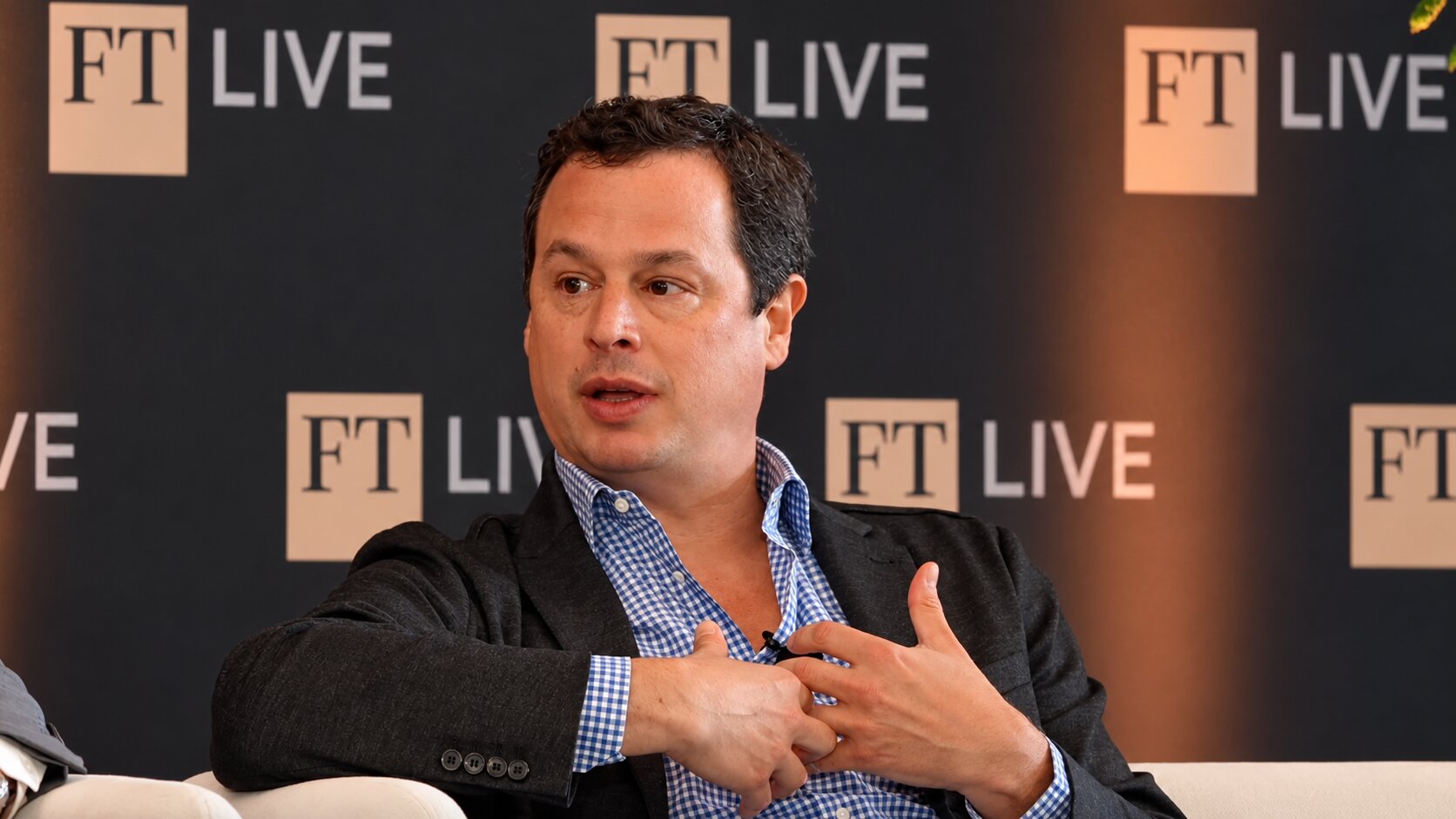
A hit TV show used to make a creator rich enough to buy a sports franchise. David Alpert, CEO and co-founder of Skybound Entertainment, told the Financial Times Business of Entertainment Summit on September 24, 2026, at the 1 Hotel West Hollywood, that this is no longer realistic. Top creators still land large overall deals, he said, but owning a piece of the show doesn’t work the way it did, and consolidation keeps trimming the ways to earn from one.
He spoke on a panel moderated by the FT’s global media editor, Daniel Thomas, alongside Sean Cohan, president of Bell Media; Eduardo Acuna, CEO of Regal Global Entertainment; and Celine Parreñas Shimizu, dean of the UCLA School of Theater, Film and Television. A broadcaster, a theater chain, a film school and an IP company were selling different things. The overlap in their answers is the story: more places to put content than ever and, in Alpert’s telling, fewer ways to earn from it. Distribution is cheap. Ownership is not.
The panel came three days after Paramount settled the state and Writers Guild lawsuits over its Warner Bros. Discovery takeover. The Guild had argued the deal would reduce the number of buyers for writers. Acuna has publicly backed it, saying he believes Paramount is sincere about its 30-film commitment to theaters.
From a window of scarcity to a flood
Alpert’s diagnosis was blunt. The industry has “moved from this window of scarcity to too much,” he said. A prime-time slot or a good theatrical date once guaranteed a large audience. Now a new comedy competes with “Seinfeld and Parks and Rec,” plus comedic podcasts, video games and social feeds. He added Fortnite and music to the list. Barriers to distribution are lower than ever, he said, which is the kind of good news that arrives with an invoice.
The pitch is now an audience, not an idea
Alpert described how Skybound approaches a platform. It doesn’t lead with a great idea and attached talent. He tells buyers, “I’m delivering to you X million number of people who love this project.” Some share of those people, he said, are not on that platform yet.
Invincible is his proof. Prime Video has said its third season was the most-watched animation season in its history. Skybound says Season 4, which debuted in March, was the series’ most-watched yet. In June, the show was renewed for a sixth season, and with six confirmed, Skybound says Invincible is poised to become the longest-running original animated series on Prime Video.
That is leverage, and there is an irony in who is describing it. Alpert co-founded Skybound in 2010 on the belief that creators should have greater control of their intellectual property. His warning about ownership comes from someone who has built a company around it.
He also described the engagement metric he trusts. On The Walking Dead, “I got boxes of death threats, but that was a positive metric.” Consolidation can combine catalogs. It cannot merge a fan base that lives somewhere else.
Theaters sell the room
Eduardo Acuna, CEO of Regal Global Entertainment, made the case for the physical venue. “It’s not a place to watch a movie only. It’s a place to gather.” He called this the biggest summer in cinema history. The domestic numbers support a narrower version: summer 2026 took in about $4.76 billion, edging 2013’s record, unadjusted for inflation and across a longer season.
Regal was also among more than 500 theaters that screened the Stranger Things finale on New Year’s Eve, the first time a Netflix original series finale reached theaters alongside its streaming debut. An exhibitor showing a streaming finale is an exhibitor becoming an events business. The pivot is sensible, and it is also a product description being rewritten in public.
A Canadian read on the same map
Sean Cohan, president of Bell Media, said Hollywood still controls and finances a large share of the world’s IP. He didn’t call it weak. Bell Media has said its streamer, Crave, has been profitable for multiple years. In Cohan’s view, consolidation opens room for independent, risk-tolerant players who move faster and spend more carefully.
His operating philosophy was repetition. Take calculated risks, expect a run of failures, and use every window. A partner once told him that if you aren’t failing, you aren’t taking enough risk.
Ownership is the part nobody has solved
Celine Parreñas Shimizu, dean of UCLA’s School of Theater, Film and Television, said her students see an “infinity of possibility” in making content, while ownership stays limited. She also said the industry has essentially abandoned higher education while benefiting from it.
What to watch
The panelists agreed on the mechanics and split on the remedy. Alpert wants creators to arrive with audiences. Acuna wants screens to sell company. Cohan wants faster, cheaper bets. Shimizu pointed to a generation with endless ways to make work and few ways to own it. The test over the next year is simple: do creators convert audience into equity terms, or only into bigger fees?
FAQ
Why can’t a hit TV show make a creator as rich as it used to?
Alpert told the panel that a hit once produced wealth on the scale of a sports franchise and that this is no longer realistic. He said top creators still receive large overall deals, but owning a piece of the show doesn’t work the way it did, and consolidation reduces the ways to earn revenue.
What does bringing your own audience mean when pitching a platform?
Alpert said the pitch centers on the number of fans a producer can deliver, including fans who aren’t yet on the platform. The audience, not the idea, becomes the negotiating asset.
Who spoke on the panel?
FT global media editor Daniel Thomas moderated David Alpert, CEO and co-founder of Skybound Entertainment; Sean Cohan, president of Bell Media; Eduardo Acuna, CEO of Regal Global Entertainment; and Celine Parreñas Shimizu, dean of the UCLA School of Theater, Film and Television.