

























Netflix’s chief content officer Bela Bajaria on why specific local stories beat global pitches, what a $1 billion Mexico commitment signals, and where her claims need a closer look.
Bela Bajaria does not want your global show.
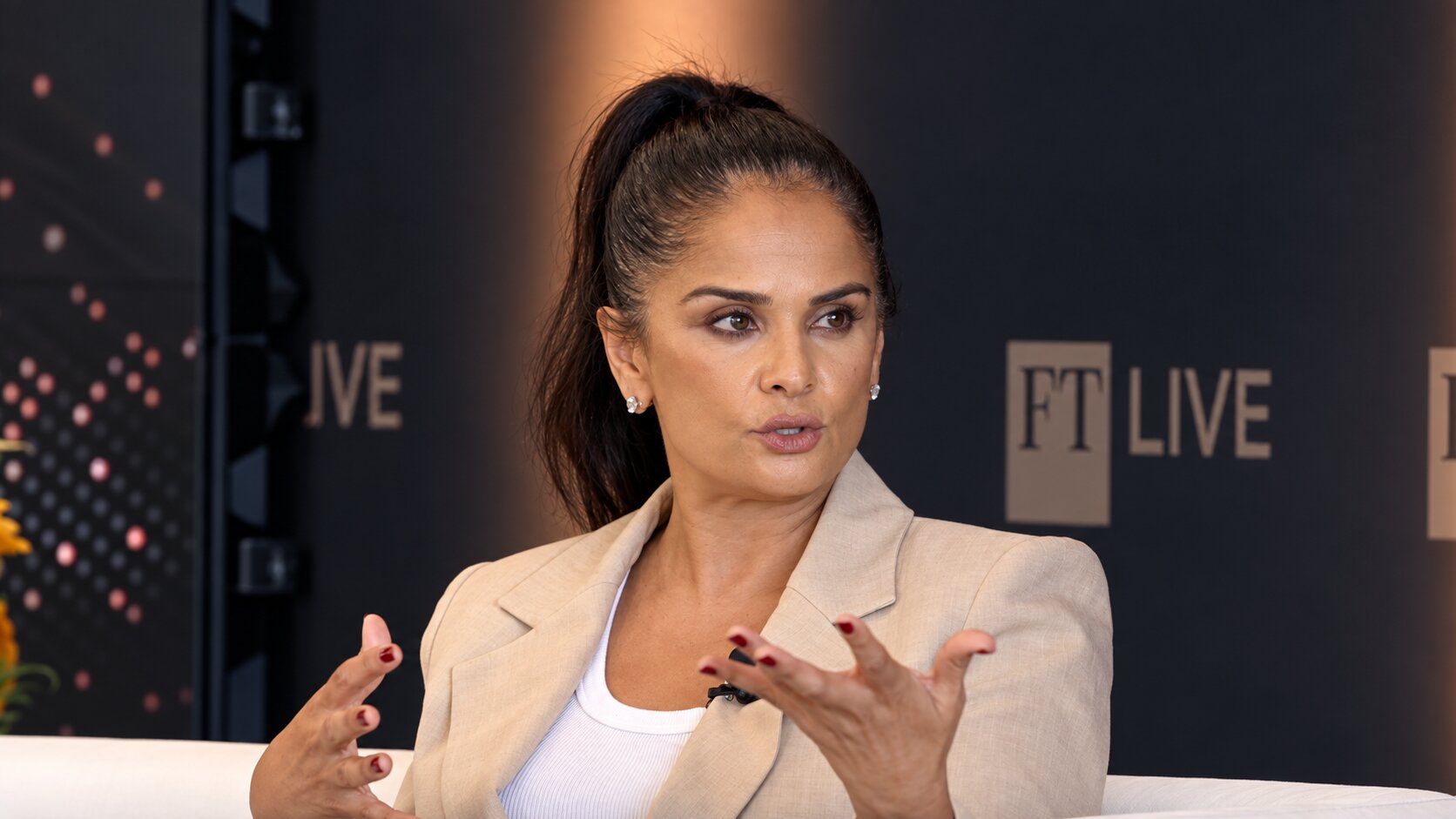
Netflix’s chief content officer told the Financial Times Business of Entertainment Summit on September 24, 2026, at the 1 Hotel West Hollywood, that she wants something “authentic and specific and honest.” Netflix backs that preference with money.
Co-CEO Ted Sarandos announced a $1 billion commitment to Mexico covering 2025 to 2028, to fund about 20 productions a year. For independent producers and financiers, the picture is plain: the biggest buyer in the market has an enormous budget, but it is divided by country, run by local teams and wary of pitches built for everyone.
A budget split by country, not by genre
The $20 billion figure came up on stage, and it matches Netflix’s own guidance of roughly $20 billion in content spending for 2026, up about 10% from about $18 billion the year before. Bajaria noted the service operates in 190 countries and said Netflix now makes shows and films in 50 countries and 50 languages. Netflix says it works with more than 1,000 producers in more than 50 countries outside the US.
The structure matters more than the total. She described one large, fluid budget divided among country teams. Each team has to “turn that money into shows and films that the members of that country love.” Mexico shows what that looks like. Sarandos said every Netflix series and film there is made with local production partners, though he also said the investment would bring global productions to the country.
So the counterparty is not a global acquisitions desk. It is a local team with a local audience to serve. If you are pitching Netflix, you are pitching a country first.
Why Netflix hangs up on the word “global”
Bajaria said early pitches often arrived labeled as global shows. She did not want them. “If you try to make something for everyone, you make it for no one,” she said. She has made the same argument before, at Netflix’s International Showcase.
Her evidence was two shows. She described Squid Game as made in Korea, by Koreans, for a Korean audience, exploring economy and class. Then it traveled. Adolescence is in English, but she said it grew out of knife crime in very specific parts of the UK. Netflix’s own list ranks it the second most-watched English-language series, behind Wednesday Season 1. Her summary: “the more specific it is, the more universal it becomes.”
Two examples do not make a law. They are the right two, though, and the ranking checks out. The picture is messier at the edges. KPop Demon Hunters, a Korean-themed Netflix hit, was produced by Sony Pictures Animation, a U.S. studio. Specific does not always mean made locally. Producers who still open with “global” have been warned.
Not a YouTube play
When the moderator raised YouTube, Bajaria drew a line. “We don’t do user generated,” she said. What Netflix wants is “professionally produced shows.” The bar for the finished product does not move.
Eventized sports and the release question
On live programming, she used the word “eventized”: pick a moment, then build storytelling and culture around it. Her examples were NFL Christmas Day games, with a Beyoncé halftime show in 2024 and Snoop Dogg in 2025. “We don’t just put the game up or the match up,” she said.
On release strategy, she was firmer still. Netflix launches series all at once because “We are all about consumer choice and control.” She rejected the idea that weekly releases produce more cultural conversation: “There’s no facts that support that.” Her practical reason is scale. With so many titles, she said, weekly rollouts would have to be spread across the entire year.
The practice is less uniform than the claim. Netflix split Stranger Things 5 into three drops on November 26, December 25 and December 31, 2025. It has used split seasons since Season 4, and some reality shows have run weekly since 2019. Bajaria has previously declined to discuss the split-volume approach.
AI as a tool, not a greenlight
Asked about AI, Bajaria pointed to Netflix’s acquisition of InterPositive, the filmmaking-tools company Ben Affleck founded in 2022 and Netflix bought in March 2026. Variety describes its tools as built for filmmakers, not for generating video from prompts. Affleck joined Netflix as a senior adviser. Bajaria called AI “a tool in the creator’s hands” and said, “I don’t care if they use it.” When the deal was announced, she said the technology should expand creative freedom, not replace writers, directors, actors and crews.
Asked whether she would use algorithms to decide what to show, she said no. A greenlight comes when you “feel it in your bones and in your gut.”
What producers and financiers should do with this
The takeaway is procedural. Netflix has a very large budget, but it reaches producers through country teams with local targets. A pitch that leads with global appeal is aimed at something she says she does not want. A pitch that leads with a specific place, a specific audience and a finished production standard is aimed at the budget she actually described. Check what each team has publicly committed to before the first call.
What to watch next
Bajaria’s next big stage is MIPCOM Cannes on October 12, where she will receive the Variety Vanguard Award and give an opening-day keynote with Variety’s Cynthia Littleton on Netflix’s global content strategy. She is also set to receive the 2026 International Emmy Founders Award. Expect the same message, and listen for whether she addresses the release-strategy gap.
FAQ
How much does Netflix spend on content each year?
Netflix guided to about $20 billion in content spending for 2026, up roughly 10% from about $18 billion the year before. Bajaria described it as one large, fluid pool divided among country teams.
Does Netflix want global shows?
According to Bajaria, no. She said she wants specific, local stories, and that making something for everyone means making it for no one. She pointed to Squid Game and Adolescence as specific stories that traveled.
How much is Netflix investing in Mexico?
Sarandos announced $1 billion over four years, covering 2025 to 2028, at a press conference with President Claudia Sheinbaum. It is expected to fund about 20 productions a year, all made with local partners.
Is Netflix competing with YouTube?
Bajaria did not frame it that way. She said Netflix does not do user-generated content and wants professionally produced shows.