



























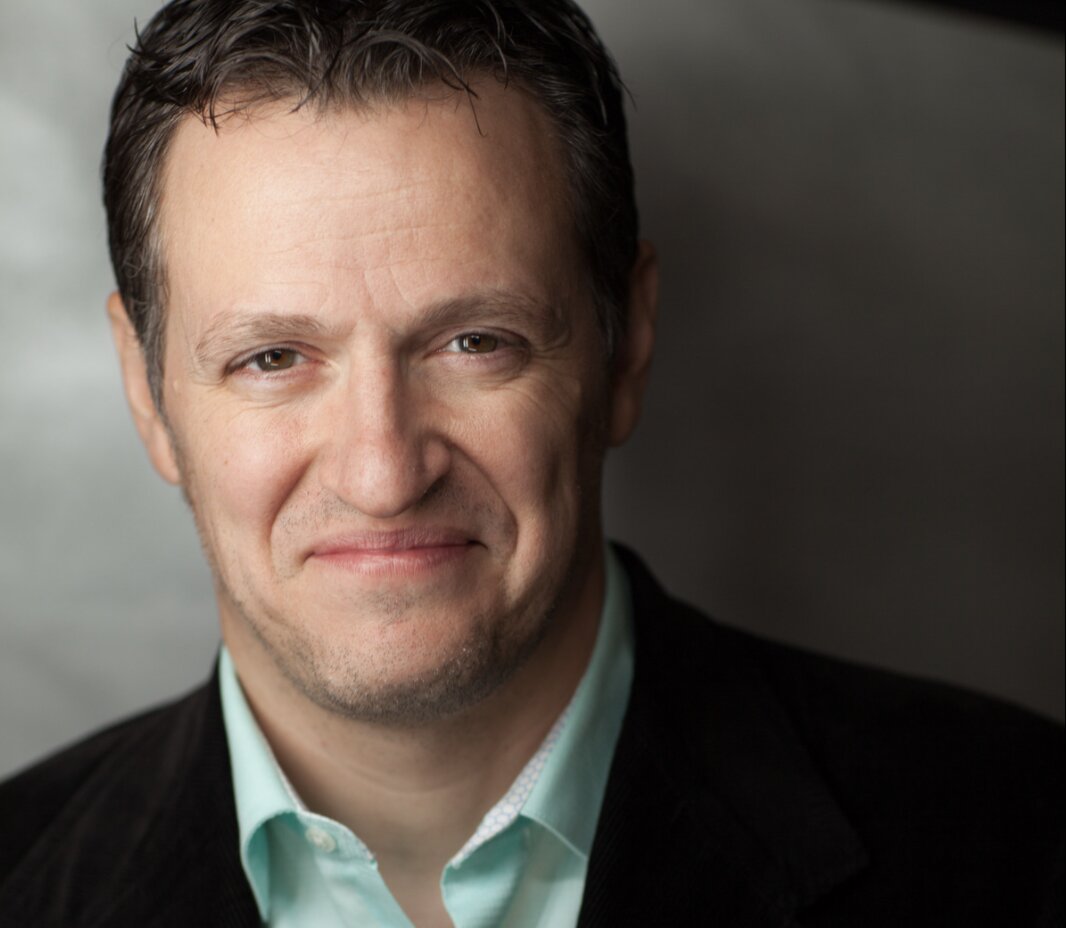
Ahead of AFM 2026, the film producer and Studio Dome COO Tom Malloy discusses smarter film financing, hidden distribution costs, and why investors need to think beyond the movie itself.
Imagine investing $500,000 into a $5 million independent film. The movie gets made. It finds distribution. Audiences are watching.
But when do you get your money back?
For investors accustomed to real estate, private equity, and traditional businesses, the answer can be surprisingly more complicated with Hollywood.
That’s where independent film producer and Studio Dome COO Tom Malloy believes Hollywood needs to do better.
And it starts long before the cameras roll.
Tom Malloy Brings Film Finance Answers to Your Indie Questions at AFM 2026
Malloy is returning to the American Film Market (AFM) taking place November 10–15, 2026, at the Fairmont Century Plaza in Los Angeles.
He’ll join Studio Dome CEO Shaked Berenson for Film Distribution and Finance: Ask Me Anything, an educational panel where filmmakers can ask questions about the business behind their movies.
For Malloy, who estimates this will be his 23rd or 24th consecutive AFM, the market remains an important gathering place for independent filmmakers trying to build sustainable careers.
During our Daily Ovation interview, Malloy said he appreciates direct answers, particularly when filmmakers are making mistakes that could cost them money.
But he doesn’t believe inexperienced questions deserve ridicule.
“We’ve all made mistakes. We’re all learning. So we should be open to it.”
It’s an approach that fits the panel’s format. Filmmakers can bring their problems and questions to experienced professionals and get practical answers.
And some of the most important questions aren’t about making a movie. They’re about making the numbers work.
The Biggest Film Financing Mistake Happens Before Production
Malloy, who has produced more than 30 films and authored Bankroll: A New Approach to Financing Feature Films, believes too many producers concentrate on making a great film without figuring out who will buy it.
“If you don’t have a plan for distribution, then you don’t have a path to financing.”
tom malloy
That’s a powerful distinction.
A filmmaker might raise $2 million, produce an impressive movie, and hope that a Sundance premiere leads to a bidding war.
Malloy compares that strategy to buying a lottery ticket.
A responsible producer should instead investigate potential buyers, market demand, recognizable talent, and revenue opportunities before asking investors to commit capital.
He also cautions against assuming smaller budgets automatically mean safer investments.
A $50,000 movie could lose every dollar, while a $6 million project with the right cast and distribution arrangements might offer a more compelling financial structure.
The budget alone doesn’t determine the opportunity.
The business plan does.
What Should You Ask Before Investing $500,000 in a Movie?
I asked Malloy to imagine advising a successful entrepreneur considering a $500,000 investment in a $5 million film.
What should that person investigate?
His response focused on three areas: financial security, cast attachments, and distribution.
First, Malloy suggested looking for projects supported by existing contractual revenue commitments.
He described the hypothetical example of a $5 million film backed by a $10 million negative pickup agreement from Netflix.
Under that arrangement, a distributor commits to purchasing a completed film, subject to contractual conditions.
Such agreements can sometimes support secured lending rather than speculative equity financing.
But investors still need to assess delivery requirements, repayment priority, and the financial strength of the buyer. No agreement eliminates every risk.
Next comes the cast. Does the talent attached to the movie actually support its projected sales?
Finally, what’s the distribution plan?
Is a distributor already attached? Are there credible buyers? Or is the producer simply hoping someone will acquire the finished film?
For investors familiar with evaluating businesses, these are recognizable questions.
They’re examining risk, management, demand, and the likelihood of getting their capital back.
How Distribution Fees Can Eat Away at Investor Returns
One of the most revealing parts of our conversation involved distribution waterfalls.
A film can generate revenue without returning meaningful money to its investors.
Here’s why.
When a movie earns revenue through streaming platforms or theaters, those companies retain a share. The distributor then receives its fee, followed by any recoverable marketing, delivery, or other expenses.
Only the remaining money flows back to the production company, where the investor waterfall determines who gets paid.
Malloy described distribution fees of around 25%, along with additional expenses that can sometimes reach tens of thousands of dollars.
He recalled arrangements where large film market expenses were charged back to individual productions.
That creates a problem.
A movie can appear commercially active while its financial statements continue showing little or no money available for investors.
Malloy believes some traditional distribution practices have helped create Hollywood’s reputation for poor financial transparency.
Studio Dome Wants Filmmakers to See the Money
Studio Dome is approaching that problem with technology.
Malloy previously founded Glass House Distribution, which used Studio Dome’s software before the company was acquired and incorporated into Studio Dome.
Now, as Chief Operating Officer, he’s helping develop a business that combines distribution relationships with detailed revenue reporting.
Filmmakers can log into a portal to monitor reported revenue across platforms.
Amazon and Fandango at Home may report daily, Tubi weekly, and Apple TV and Google Play quarterly, according to Malloy.
That visibility matters when producers need to account for earnings and explain results to investors.
Studio Dome also emphasizes reducing additional distribution expenses.
Malloy said some company agreements offer filmmakers revenue splits of 75/25 or 80/20, without large upfront charges that must first be recovered.
He contrasted that with traditional minimum guarantees, where a filmmaker might accept a $20,000 advance but receive little additional revenue after the distributor recoups fees and expenses.
Neither structure is automatically better. The answer depends on contractual terms and actual sales.
But transparent reporting gives filmmakers a clearer understanding of how their movies are performing.
Studio Dome Direct extends the company’s model to filmmakers who want platform access while managing much of their own marketing.
Why Old Movies Can Still Generate New Revenue
Another interesting opportunity involves film libraries. Malloy explained that an older film might license for just $500 in an international territory.
Not particularly impressive on its own.
But multiply that by 300 titles, and the same licensing arrangement could generate $150,000 in gross revenue.
Actual earnings depend on rights ownership, commissions, costs, and how many titles secure deals.
Studio Dome’s horror platform, Bloodstream, has more than 3,000 films, according to Malloy.
The company also works with Full Moon Features, the horror label associated with Charles Band, to license films internationally.
Malloy described completing deals involving Asian markets and the Middle East.
The opportunity is built around a simple principle: A large catalog can produce revenue from many smaller licensing transactions over time.
For investors accustomed to recurring revenue businesses, it’s an interesting model worth studying.
What’s Next for Studio Dome in 2027?
Malloy sees opportunities ahead despite a challenging independent film market.
Studio Dome is expanding its theatrical distribution efforts, including a planned April 2027 Fathom release for Zombie Plane across more than 1,000 screens, according to Malloy.
The company also hopes to grow Bloodstream’s subscriber base and eventually develop original horror films for its audience.
Artificial intelligence is another tool in its operations, helping identify potential buyers, improve outreach, and create promotional materials.
Malloy believes AI can improve efficiency without replacing the creative talent behind filmmaking.
For him, the larger opportunity remains building a more efficient, transparent distribution business.
And for investors considering independent film, his message comes back to fundamentals.
A good screenplay matters. So does a talented cast.
But neither guarantees financial success.
The real question is whether the producers have built a credible business around the movie.
Because getting a film made is only half the job.
Getting the money back is the other half.
Tom Malloy and Studio Dome CEO Shaked Berenson will participate in Film Distribution and Finance: Ask Me Anything during AFM 2026. Malloy also shares independent filmmaking and finance education through FilmmakingStuff.com.