



























West Kentucky film incentives, with a 35% cash rebate, are attracting filmmakers and investors at the 2025 American Film Market.
In the bustling corridors of the 2025 American Film Market (AFM) in Los Angeles, something refreshing happened: out of the usual swirl of glossy launches and high-stakes deals emerged a bold invitation to filmmakers, financiers and distributors alike.
After an engaging chat with West Kentucky Film Commission Co-Commissioners Kristi Kilday and Jeremy Winton, it became clear: West Kentucky is not just a charming locale—it’s an increasingly strategic film destination, offering cost-efficient, high-value filmmaking opportunities that mix substance, flavor and a bit of fun-loving charm.
A New Film-Friendly Region Emerges
Setting the scene for West Kentucky film incentives
At AFM, Kilday laid out the news with clarity:
“West Kentucky Film Commission is in business and here to help filmmakers
come into Kentucky and enjoy West Kentucky and
Kentucky’s amazing tax incentive.”
Kristi Kilday

Jeremy followed: “Yes. So that’s the biggest news for all the filmmakers, producers, and streamers at AFM—that West Kentucky is the place to shoot movies and save money because…
“Kentucky has the best tax incentive in the nation right now.”
Jeremy Winton

In one sense, they’re promoting a location—beautiful landscapes, a mix of of small town and big city, lively communities—but they’re also selling a financial model, a sense of risk-mitigation that investors love.
Only instead of the usual high-gloss Hollywood pitch, this one feels human and grounded. Kilday had already uprooted her life from Los Angeles to Kentucky after a TV shoot: “After living in L.A. for 25 years, I up and moved my whole life to Kentucky. So if that tells you how compelling the incentive is—yes, it’s very compelling.”
It’s rare to see a film commission talk with such clarity about budgets, cash-flow, and investor comfort. That alone makes the story worth your attention.
Why the Incentive Matters
De-risking production, creating value
The “why” behind the West Kentucky film incentives is straightforward—and potent.
“Incentives are collateralized money,
so you’re risking less.
let’s say you have a million-dollar budget—you’re then looking at getting three million dollars in cash back from the state of Kentucky.”
This flips the usual script of film financing, where investors often fret about recoupment. Here’s a simple but effective narrative: a production spends, gets rebates, employs local talent, uses infrastructure already built.
Jeremy adds the advantage:
“The tax incentive is amazing, but also the people and locations in Kentucky are amazing. You save money because the cost of living is cheaper here.”
According to official state guidance, Kentucky’s program offers refundable tax credits of 30–35% of qualifying expenditures—with opportunities for enhanced percentages if filmed in designated counties.
So the AFM announcement aligns clearly with a broader, credible statewide framework rather than a fly-by-night promise.
For filmmakers, financiers and festival buyers assessing where to place production, that’s a big deal. It’s not only about saving money—it’s about protecting capital, stretching resources, and being location-smart.
Infrastructure + Lifestyle = Competitive Advantage
The West Kentucky sound stage, crew culture, and local vibe
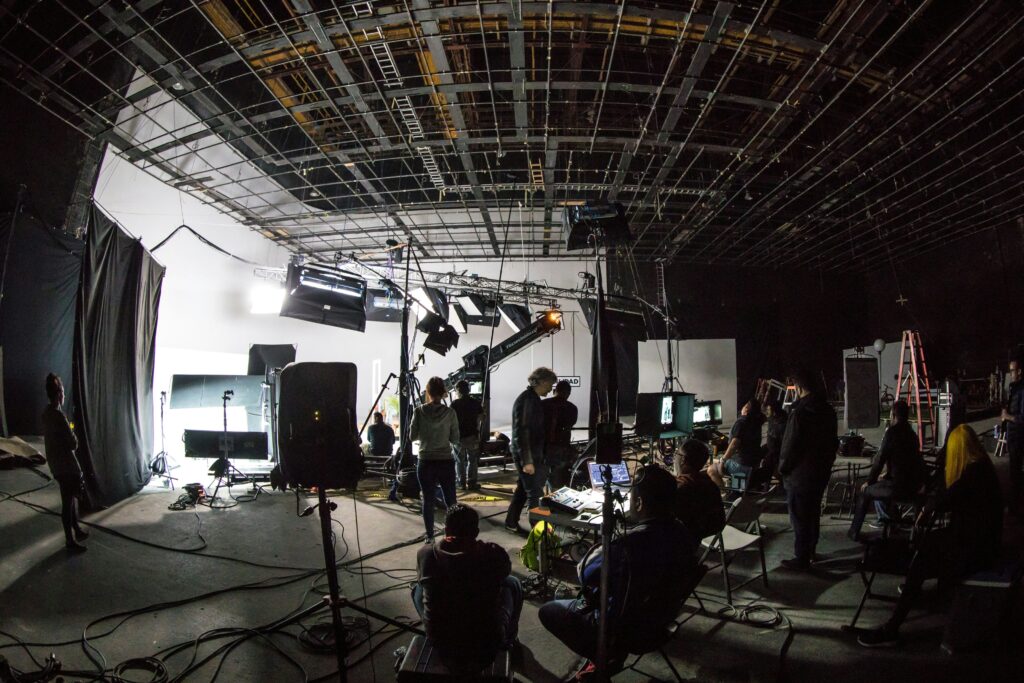
Beyond the tax incentive, West Kentucky is amping its infrastructure. Jeremy shares: “We have a little bit of everything—60,000 square feet with standing sets that include hospital rooms, exam rooms, nurses’ stations, elevators, airplanes, jails, psychiatric rooms, apartments, bedrooms, living rooms. We also have a traditional white cyc, a green screen, and a large LED virtual wall.”
And yes, they confirm the LED wall is the same technology behind higher-budget shoots: “30 feet wide, 12 feet tall”
It’s made life so much easier for filmmakers.” They’re servicing everything from pre-production through post-production under one roof.
There’s a fun-loving, flavor-rich twist to the location story too. Kilday and Winton share stories about local food, cost of living, and lifestyle that make a crew feel not just efficient but welcome. Kilday:
“Western Kentucky is barbecue heaven.
some of the best in the state.”
And affordability is real: “When I moved here, gas was $7 in L.A.—$2 in Kentucky.”
In the context of global film markets, festivals and financiers juggling multiple location options (Canada, Europe, U.S. states), those lifestyle and infrastructure factors matter. They mean more than just a cheap backdrop—they mean crew comfort, logistical ease, and storytelling potential.
Film Markets
For distributors and festival programmers, where a film is made increasingly affects marketing, audience curiosity and even eligibility for regional film festivals or commissions. A film made in West Kentucky can carry an authentic U.S.-Heartland flavor that’s different from big-city or global south shoots. It can tap into community narratives, and yes, adventure (rivers, small towns, lakes) and humor (yes, crews at Applebee’s after 10 p.m.—Kilday laughs) add flavor.
For film markets like AFM, Cannes, Berlinale, Sundance, having a story of production location that saves money and adds creative merit is gold. When you can say “high-value filmmaking in West Kentucky under one roof, with sound-stage infrastructure, local crews and a 35% rebate,” it opens doors to financiers who might otherwise stay cautious.
And for festivals seeking fresh voices, the image of “barbecue heaven, affordable housing, top-notch crew” gives a kind of authenticity and relatability that the biggest production hubs sometimes lack. It feels real. It feels connectable. It adds flavor and fun-loving spirit to a story about incentives and business.
Mini FAQ
Q: What is the exact rebate available under West Kentucky film incentives?
A: The state of Kentucky offers a refundable tax credit of about 30–35% on qualified expenditures for film and TV productions via Entertainment Partners
Q: How fast is the rebate process in Kentucky?
A: According to Kilday and Winton, approvals happen monthly, and “you can start spending that day. When you wrap, you get your check back in four to six months.” Faster than many states which take 18 months or more.
Q: Does Kentucky have production infrastructure and local crew?
A: Yes — the West Kentucky team highlights a 60,000-square-foot facility with standing sets, LED virtual wall, white cyc, green screen, and crews ready to go.
West Kentucky is one to bookmark
If you’re a filmmaker, distributor, or financier scanning the landscape of where to invest your next project, the West Kentucky story is one to bookmark. With the West Kentucky film incentives offering a 35% cash rebate, solid infrastructure and a genuinely appealing lifestyle, the region is stepping into the spotlight—rippling beyond the big production hubs.
At AFM, the message was clear: “Come on down!” Now might be the moment to pick up the phone, visit kentuckysoundstage.com and explore whether your next film could thrive here.
West Kentucky film incentives, with a 35% cash rebate, are attracting filmmakers and investors at the 2025 American Film Market.








So, while the production crew is wrapping for the day, you can literally follow them to the BBQ joints
Lights, camera, barbecue. production meet slow-smoked brisket.
Always chasing value-locations, this 35% cash rebate in West Kentucky is a game-changer
30-35% of qualified spend, you dramatically reduce production risk
That studio! Wow. 60,000 soundstage! LED virtual wall
Great pitch. West Kentucky is quickly looking like a serious option.
One caveat: always check the fine print of “qualified expenditures”, timing of rebates, and how fast losses can be claimed.
Would like to see case studies of films shot there, to measure actual spend vs rebate vs returns
Pitching that heartland vibe