

























Meet 7 ultra-luxury houses — from Fueguia 1833 to Philippe Dufour — that cap production on purpose. Most people have never heard of a single one.
Fueguia 1833 could put its Rolls-Royce collaboration on every shelf in America tomorrow. It won’t. That’s the whole business model, and it’s a strange one: the luxury brands most worth knowing are the ones actively working to stay unknown.
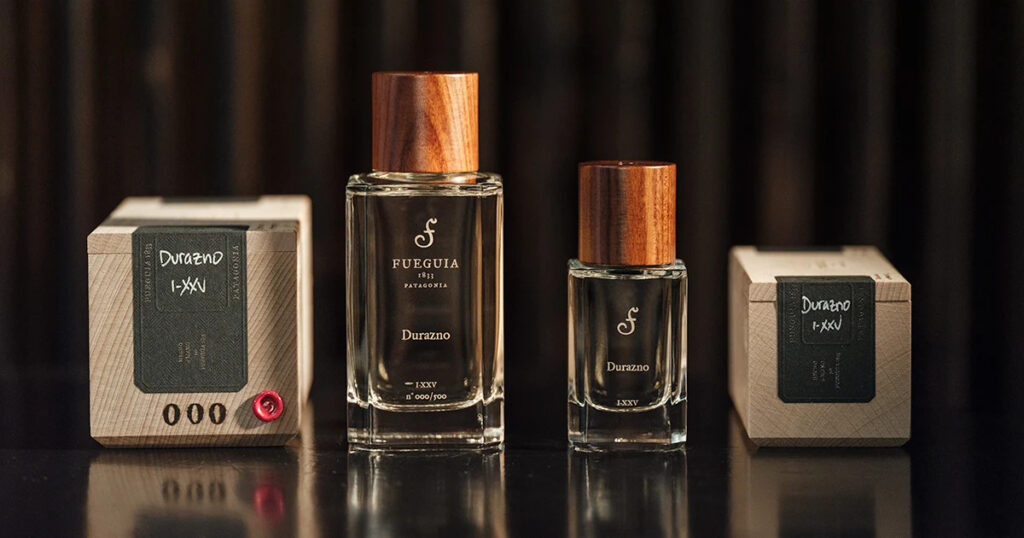
Fueguia 1833 makes a perfume distilled from the actual plants used to tan Rolls-Royce leather — a scent built from the tanning process itself, not an approximation of it. It’s the only fragrance house with that partnership, and most people have never heard of the brand. That’s not an accident. Across categories — leather, linen, tailoring, wallpaper, watches, bedding — a small cluster of houses have made a deliberate choice: cap output, refuse scale, let scarcity do the marketing. Seven of them are worth knowing, because the restraint is the product.
Fueguia 1833: The Car You Can Smell
Fueguia 1833’s 2018 collaboration with Rolls-Royce, “The Spirit,” is built from the plants used to tan the automaker’s interior leather — distilled into a fragrance rather than described by one. It remains the only such partnership Rolls-Royce has made with a perfumer, and the brand has kept its output small enough that most fragrance shoppers still don’t know it exists.
Frette: The Sheets Under History
Frette’s linens have dressed the dining cars of the Orient Express and the staterooms of the Titanic — the kind of brand credit that would headline most companies’ marketing for a century. Frette treats it as a footnote. The house still supplies more than 1,000 hotels worldwide, but has never chased the retail visibility its history would justify.
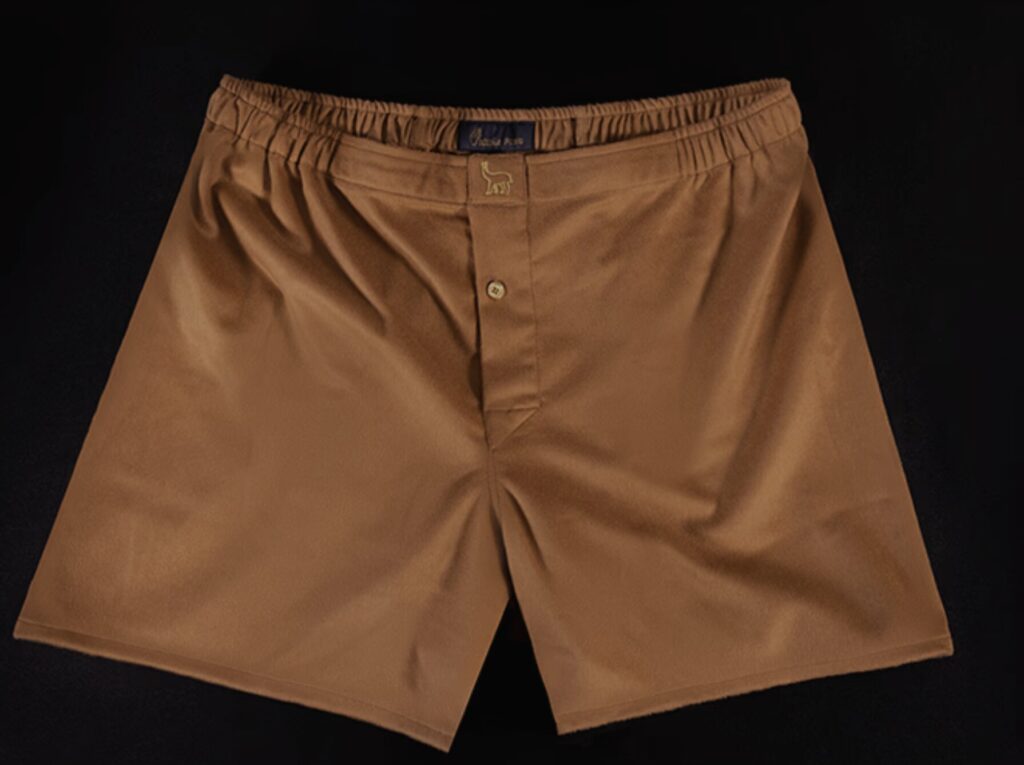
Daniel Ashley co.: Luxury as Application, Not Purchase
Daniel Ashley co. doesn’t sell clothing so much as it grants access to it. Membership is by application. The house’s confirmed pieces — Vicuña-fiber boxers finished in gold thread, displayed in hand-carved marble cases — run into five figures for undergarments alone, which tells you what “the most expensive suit in the world” from the same house would plausibly cost.
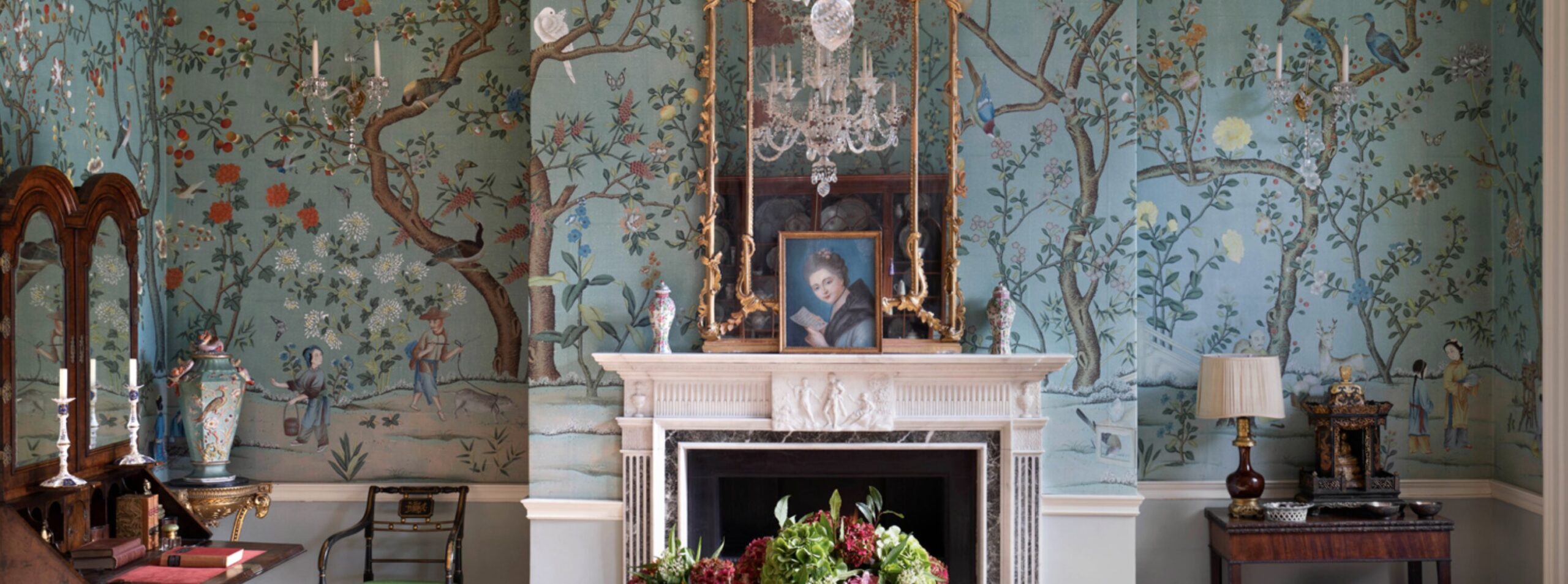
De Gournay: Wallpaper as Inheritance
De Gournay’s hand-painted silk panels are custom-commissioned, one artisan to one wall, and priced high enough that a single accent wall can run into the thousands before installation even starts.
The house treats its wallpaper the way an auction house treats a canvas — numbered, dated, meant to outlast the room it’s hung in.
Delvaux: Older Than Hermès, Quieter Than Hermès
Delvaux filed the first patent for a leather handbag in 1908, eight years before Hermès — not decades, but enough of a head start that Belgian royalty had been carrying Delvaux since 1883, before the French houses existed at all.
It remains the oldest fine leather goods house in the world and the one most Americans have never said out loud.
Philippe Dufour: One Man, A Dozen Watches
Philippe Dufour builds every component of every watch himself, by hand, in a converted schoolhouse in the Vallée de Joux.
Output runs to roughly a dozen pieces in a good year — a volume small enough that owning one isn’t really a purchase decision, it’s a multi-year wait with no guarantee at the end of it. Collectors and rival watchmakers alike treat him as the standard the rest of the trade measures itself against.
Hästens: The Million-Dollar Mattress
Hästens’ Grand Vividus — hand-built from horsetail hair, wool, cotton, and flax over roughly 600 hours — prices between roughly $400,000 and $1 million depending on configuration and market.
It’s a mattress that took nine master artisans forty-five unhurried days to build, which is either the most Swedish sentence ever written or the entire point.
Mini FAQ
Why do these brands stay small on purpose?
Scarcity is the product. Uncapped production would make the object more available and less valuable to the exact buyer these houses are courting.
Are any of these brands accessible to a general audience?
Frette and Delvaux both sell retail, though at prices well above mainstream luxury. Dufour, Daniel Ashley co., and the Hästens flagship models require waitlists or membership.
Is scarcity marketing or genuine craft limitation?
Both, depending on the house — Dufour’s output is capped by physical hand-labor, while Daniel Ashley co.’s membership model is a deliberate access restriction layered on top of already-limited production.
Luxury chooses
None of these seven brands needs a bigger audience. That’s the tell. In an industry where most luxury houses measure success in units shipped, these seven measure it in what they refused to make more of.