























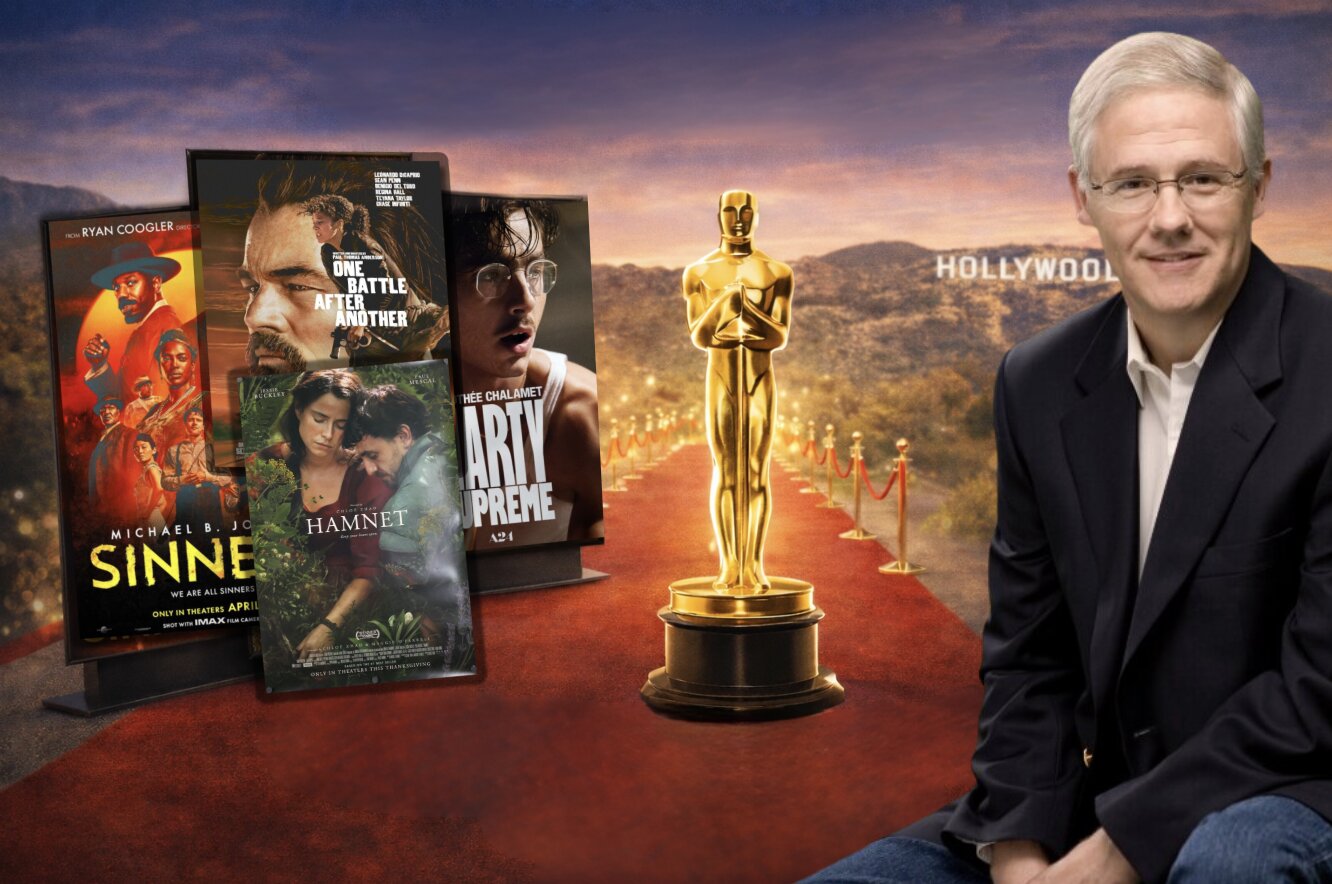
Story expert John Truby breaks down Oscars storytelling, transcendent genre filmmaking, and what every film investor needs to know before writing a check.
Every year, Oscar season forces a reckoning. Studios, financiers, and festival programmers ask the same uncomfortable question: why aren’t audiences watching?
Story expert and screenwriting authority John Truby has an answer, and it is not what most people in development want to hear.

In a recent conversation on FlavR Report, part of DailyOvation.com, Truby dissected this year’s Oscar race with the precision of a surgeon and the frankness of a coach who has spent 35 years teaching more than 50,000 writers worldwide.
For anyone navigating the film investment landscape, from the American Film Market to Cannes, Berlin, or Sundance, his diagnosis is worth more than a market report.
The Oscars Are Not Picking the Best Films
Let’s start with the uncomfortable truth Truby laid out plainly.
Hollywood’s awards season runs on a separate logic from the rest of the year. Blockbusters chase worldwide box office. Oscar contenders chase prestige. The problem is that chasing prestige does not always mean chasing craft.
“When it comes time for Oscar, Hollywood gets to congratulate itself that we’re making good films,
not just money making films,”
john Truby
That self-congratulation, he argues, creates a blind spot.
The Academy tends to reward what he calls serious fiction, which means drama-heavy, plot-light stories built around flawed characters navigating quiet internal struggles.
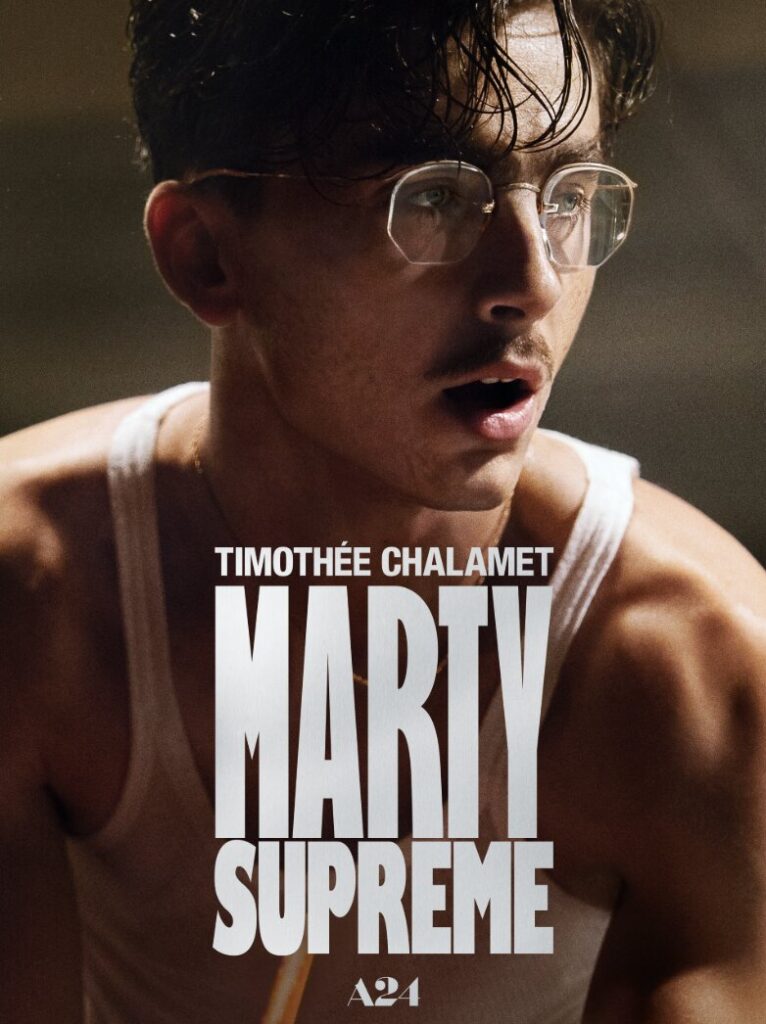
Films like Marty Supreme, which Truby singled out as his lowest-rated picture of the year, get praised precisely because they feel difficult and unpleasant. He gave it what he calls the Emperor’s New Clothes Award: “the one that had the highest rating, the most positive press, and had the least payoff of any film that I saw.”
For investors and producers, this matters. A film that wins critical praise does not automatically find an audience. And a film that finds an audience may never get awards traction, even if its storytelling is superior.
Genre Is Not a Dirty Word. It Is a Strategy.
This is the part that every producer evaluating film investment should read twice.
Truby’s core argument is that the best films of the year, including several that Oscar ignored, succeeded by doing something rare: they took a familiar genre and transcended it.
His prime example is Rian Johnson’s Wake Up Dead Man, the latest in the Knives Out series.
“Nobody’s going to nominate that for an Oscar,”
Truby acknowledged
The reason? It is a detective story. And in the serious fiction world, plot is considered a dirty word.
But the craft on display, Truby argues, is extraordinary. Johnson used the detective form to explore the tension between science and religion, making the detective the scientist and the murder victim, a cruel authoritarian priest, the embodiment of religious dogma. “Who does that? Nobody does that. That’s really advanced stuff.”
The lesson for producers sourcing material at the American Film Market, Tribeca, or SXSW is this: stop looking for prestige and start looking for transcendence. A script that masters its genre and then pushes past it is the one that can do both, attract audience attention and sustain critical conversation.
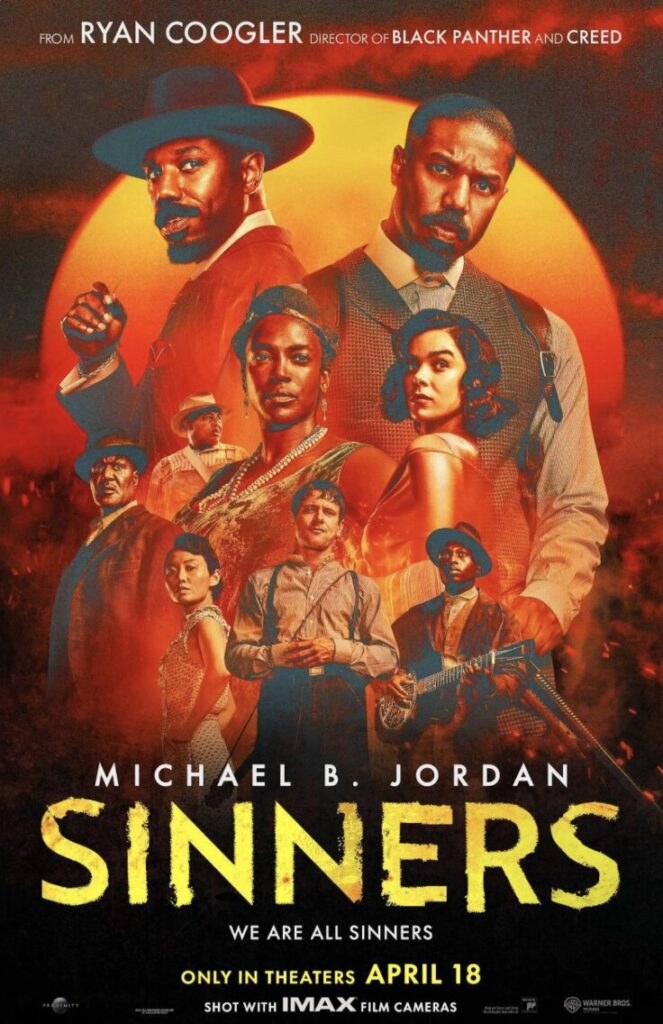
Horror is the most accessible entry point for low-budget filmmakers attempting this. Truby pointed to Sinners as an example of a horror story that transcended the form, but did have a studio-level budget.Often times, horror doesn’t need that high of a budget.
“You can do [horror films] for the lowest possible budget, but you also have the ability to transcend the genre.”
john truby
Love stories offer similar upside. Low cost, universal appeal, and enormous room for originality if the writer knows the form well enough to subvert it.
For a deeper look at genre strategy and storytelling structure, John Truby’s book The Anatomy of Genres is required reading for anyone commissioning or evaluating scripts.
The Film Investment Case for Responsible Budgets
At AFM, Berlin, and Cannes, the conversations among financiers and family offices increasingly center on what responsible filmmaking actually looks like. Truby’s framework offers something most pitch decks do not: a structural reason to believe in a project.
“The requirement is that you have to be incredibly knowledgeable about story, even though you are not a writer yourself,” he said, speaking directly to producers and investors.
“In order to lead a writer in the direction where they need to go to craft a story that is good enough to make a film that will make money, you need to know all of the vast majority of techniques that that writer might use.”
The implication is clear. Vague notes like “make it funnier” or “I didn’t really like that character” are not just unhelpful, they are expensive.
Every round of unfocused development burns budget and goodwill. Investors who understand story structure can give feedback that moves a project forward instead of spinning it in circles.
This is the real value of story education for anyone working in the industry, from the micro-budget $500k, to low budget $1 million to $10 million film range. At that budget tier, there is no room for a wasted draft.
Even blockbuster producers with $100 million+ budgets have taken Truby’s masterclass.
Why Hamnet Deserved More and What It Teaches Us
Truby saved his highest praise for Hamnet, a film he said reluctantly came to, knowing it centered on a grieving mother. What he found surprised him.
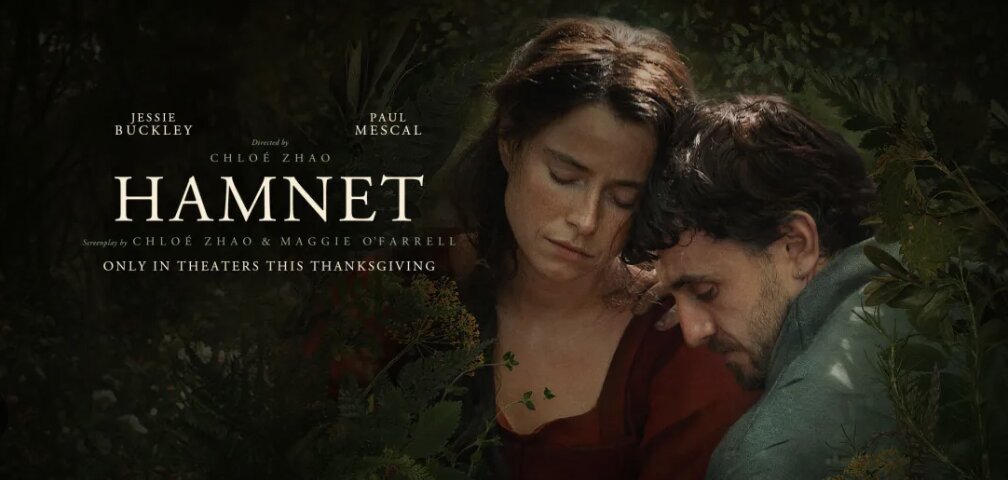
The film works, he argues, because the filmmakers understood genre well enough to layer multiple forms, opening as a love story, moving into realistic horror, and building toward a final payoff that re-contextualizes everything.
The result, he said, is “the origin story of the greatest writer in history writing the greatest play he ever wrote,” and the payoff, earned by everything that came before, delivered “some surprise and thrills that I have not experienced in movies” in a long time.
This is exactly the kind of film that gets lost in Oscar years dominated by political themes.
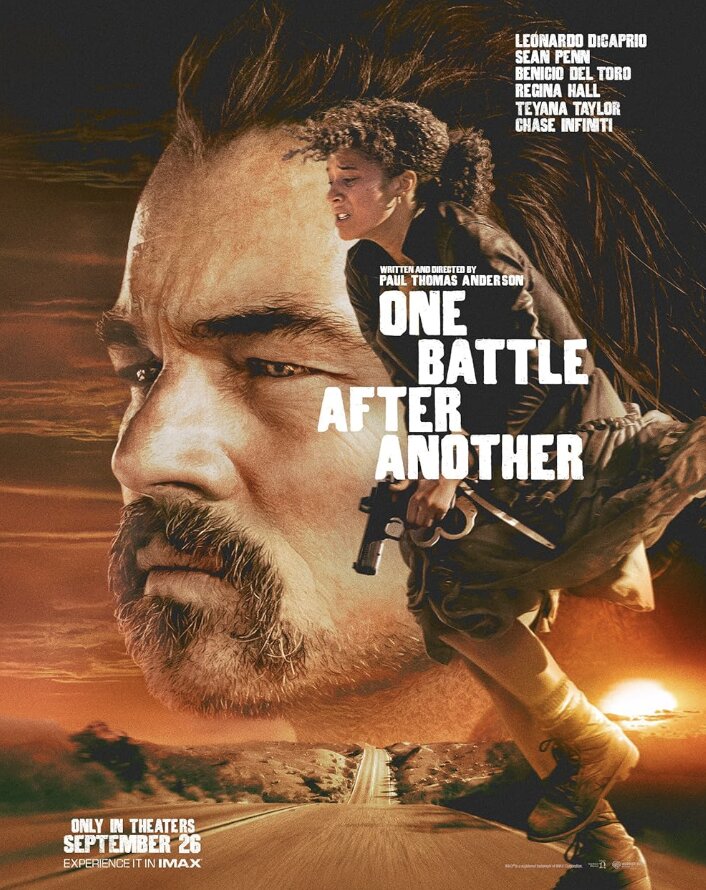
One Battle After Another, Truby believes, will win best picture largely because its theme of fighting oligarchy resonates with voters who feel powerless. “It gives the Oscar voters a chance to hit back when they have no other way of hitting back.” That is not a craft argument. It is a cultural moment argument.
For the record, Truby does not think One Battle After Another is the best film of the year.
The Crisis Hollywood Is Ignoring
No honest conversation about entertainment today can skip this. The writers who generate the ideas that make films possible are, by Truby’s account, in the worst professional position he has ever seen.
“The top 1% can get work and everyone else cannot,”
john truby
The effect is not just economic. It is psychological. “The perception is, doesn’t matter if I do all of that, I don’t have a shot.”
For investors targeting the independent space, this is both a warning and an opportunity. The writers are out there. The structural barriers that kept them from getting their material made have loosened somewhat at the streamer level. Films in the $1 million to $5 million range, built on transcendent genre concepts, have a clearer path to distribution now than at almost any point in the past decade.
The opportunity is real. The craft requirements are non-negotiable.
Mini FAQ: John Truby takes on Oscars 2026
Q: Why do Oscar-nominated scripts sometimes fail at the box office? A: Truby argues that serious fiction, which prioritizes complex characters over plot, tends to eliminate the pleasure of storytelling. Without plot, audiences lose the puzzle-solving satisfaction that keeps them engaged. Critical acclaim and audience engagement require different things.
Q: Do film investors need to understand story structure to protect their investment? A: According to John Truby, yes. Investors who cannot articulate structural problems in a script cannot guide the development process effectively. That leads to wasted drafts, inflated budgets, and projects that never find an audience.
Q: What genres offer the best risk-adjusted return for independent film investors? A: Truby points to horror and love stories as the two genres with the lowest production cost and the highest potential to transcend the form.
The Bottom Line for Screenwriters, Producers and Investors
Story is not a soft skill. It is a discipline.
John Truby has spent 35 years proving that great storytelling follows learnable principles, and that those principles, when applied, produce work audiences will actually pay to see. The tools are available. The genres are mapped. The writers exist.
What the industry needs now is financiers and producers who know the difference between a script with a serious theme and a script with a serious craft.
Visit Truby.com to explore Truby’s books and courses.








The ROI argument for story knowledge is real. I have friends who lost money on two projects because no one could give the writer useful notes.
Hollywood congratulating itself for making good movies is the most LA thing I have ever read.
The note about nebulous feedback killing projects is personal. I once had a financier tell me a script needed to be “more cinematic.” We added scope, added production value. Nope. Three drafts later we still had no idea what that meant.
Marty Supreme was genuinely unwatchable. If Timmy wins people will be vomiting.
Someone make a cocktail called the Emperor’s New Clothes. Two parts pretension, one part critical acclaim, zero payoff. Garnish with a wilted laurel leaf.
Mr. Truby has been living rent free in my head since I read Anatomy of Story years ago.
There is something poetic about pairing a great wine with a film that rewards patience. Hamnet sounds like a Barolo. Complex.
the gap between scripts with big themes and scripts with actual craft is the Grand Canyon.
One Battle After Another winning because voters want to feel political? Bold of John Truby to say what everyone in Hollywood is whispering
Hamnet is LOVED. I sat in that theater completely undone by the final act and nobody in my office had even heard of it.
Hollywood giving itself a participation trophy every year while the rest of us stare at empty theater seats. Let it all burn down
This is like therapy. Im hitting the same beat diagnosis . I thought it had a pacing problem. It has a structural problem. Strikingly insightful. Thanks, John
Mr. Truby, incredibly glad to see this. I took your class years ago. So wonderful to see you so vibrant today.
I’m thinking there is a direct line between a wine with a great label and no finish and a film with a great theme and no payoff.
This is the first Oscar talk that didn’t mention Timmy vs Michael B Jordon vs Leonardo?
Really??? You love Hamnet and you dont even mention Jessie Buckley’s name? SHAME on you both
Marty Supreme getting the Emperor’s New Clothes Award is the most honest film criticism I have read in years and it appeared on a food and wine website. Cheers guys!
This is the craziest conversation. Cuz cocktails = movies. Every great cocktail has structure. A base, a modifier, a point of difference. This guy is basically saying your screenplay needs the same thing. I never thought mixology would help me understand movies but here we are.
Okay sure Hamnet might be good. But Jessie Buckley is incredibly hot
I am looking at three indie films right now. Two of them have the exact problem Mr. Truby describes. Big theme, no plot, bewildered audiences. This article is an awakening.
Dumb idea? Why cant movie reviews be more like tasting notes. Not good or bad, but what to expect from it, the story, the actors. Hey if you like bold, spicy and pairing it with BBQ? Kinda like, if you like car chases, explosions, funny dialogue, this is for you.
I have been attending screenings at the Arclight since it existed (back when it was alive )and I have never once heard anyone talk about story structure at a Q&A. We’re missing good story in movies 🙁