

























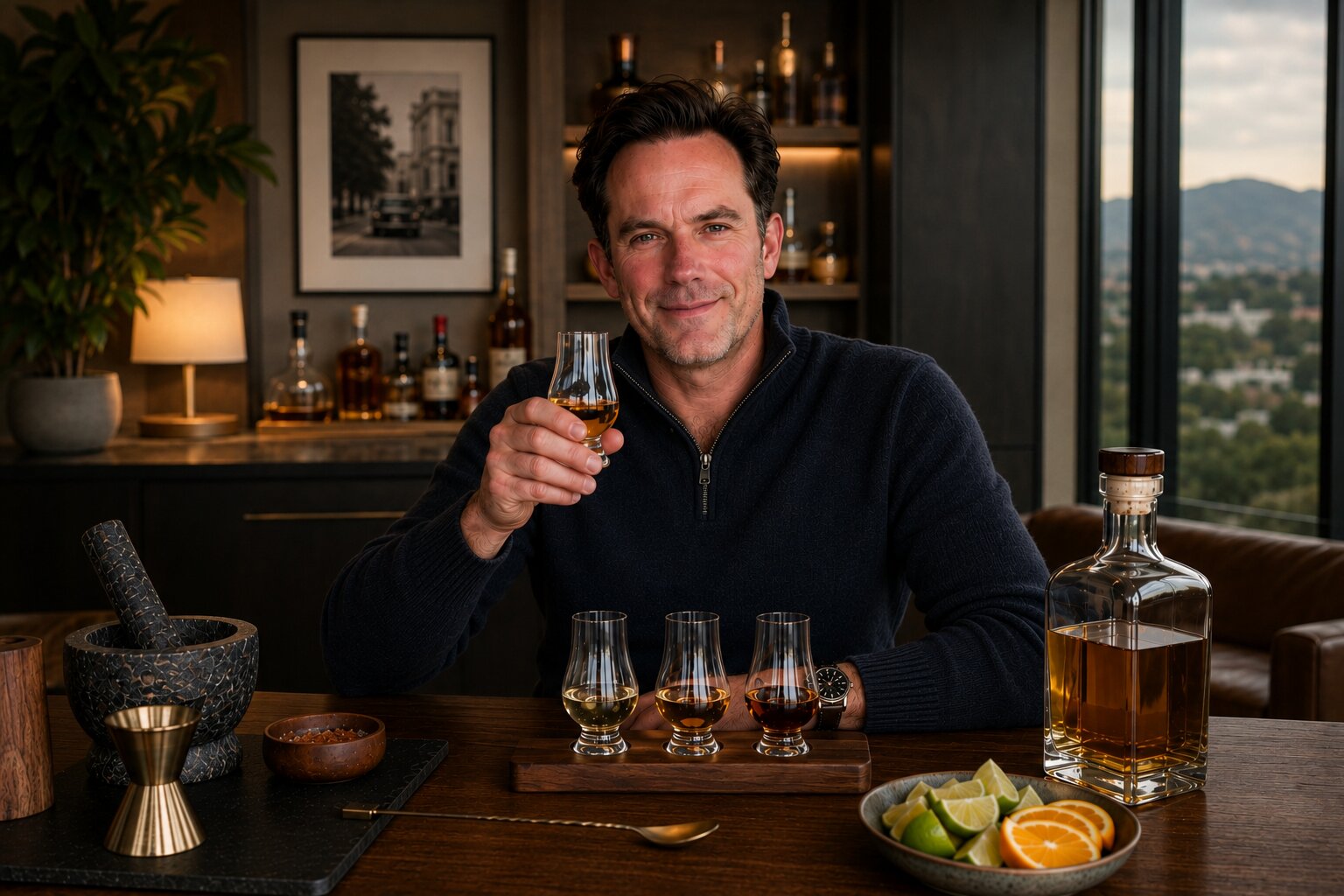
Not sure which tequila to buy? We break down blanco, reposado, and añejo: what each tastes like, when to drink it, and which bottles are worth your money.
Nobody walks into a spirits aisle and instinctively knows what they want. Bourbon drinkers have it easier; the category vocabulary is smaller, the aging statements are right on the label, and the flavor profile follows a logic most people have already internalized.
Tequila is different.
Three primary styles, each with its own production logic, its own flavor language, and its own best use. Pick the wrong one for the wrong occasion and you’ll spend the next hour wondering why tequila has a reputation problem. Pick the right one and you’ll wonder why it took you this long.
Here’s how to tell them apart and more importantly, how to know which one you actually want.
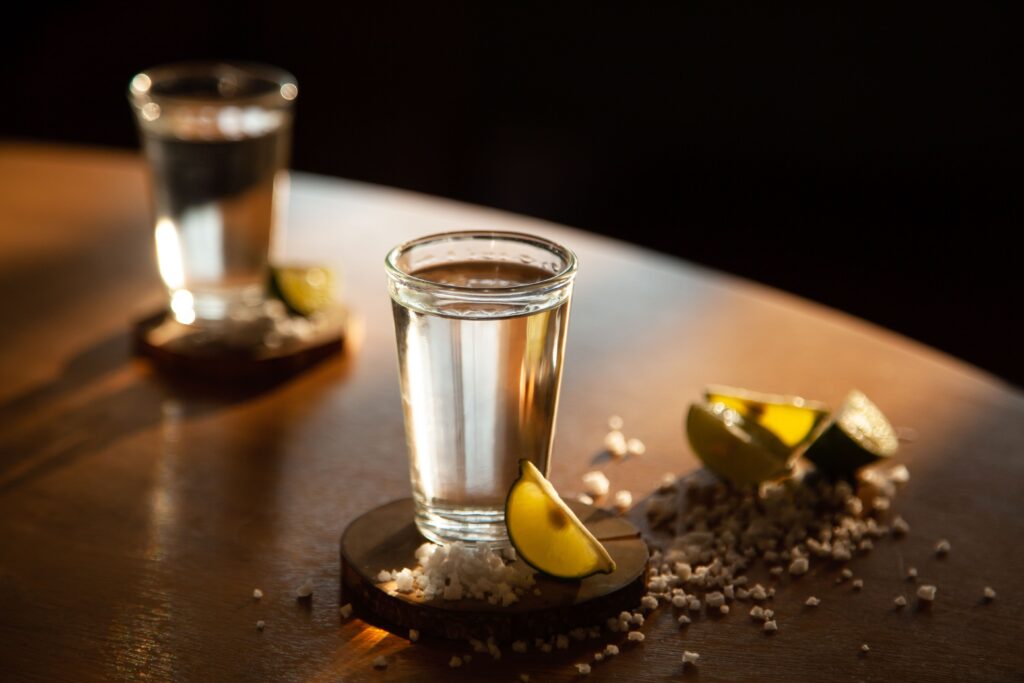
Blanco: The Honest One
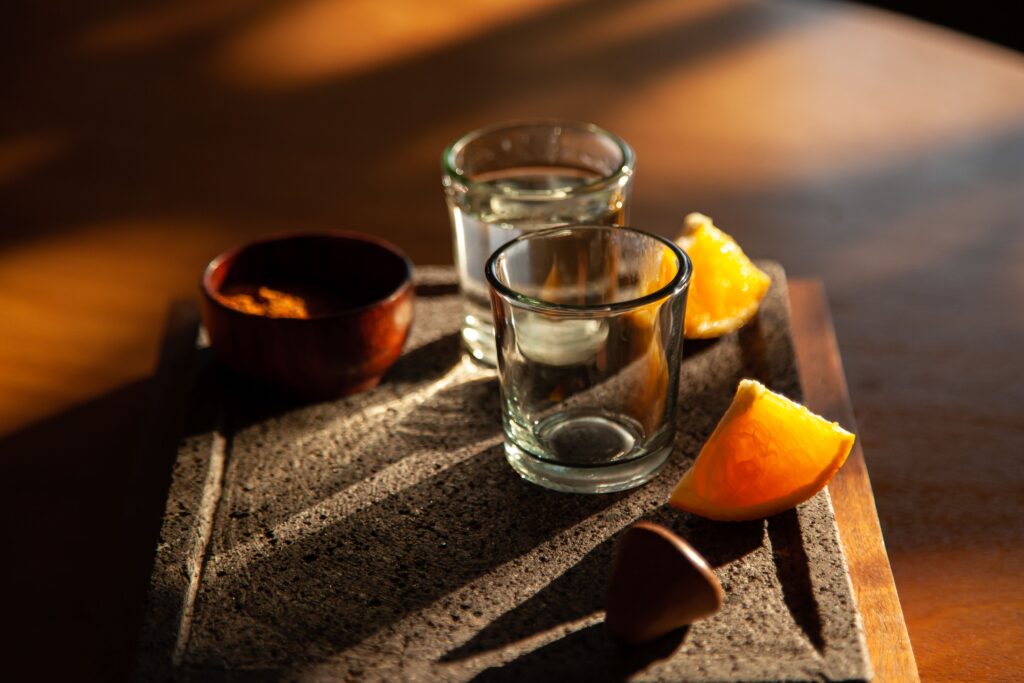
Blanco tequila is unaged or aged less than two months in stainless steel or neutral containers. No barrel influence. No time. Just agave, water, fermentation, and distillation — presented exactly as they are.
What you get in a well-made blanco is the clearest possible expression of the agave plant itself. Dry and slightly vegetal on the nose, with citrus, white pepper, and a grassy, herbaceous backbone on the palate. The finish is clean and relatively quick. There’s an edge to it; not harshness, but a mineral directness that tells you something about where the plant grew and how it was processed.
A good blanco doesn’t apologize for what it is. That’s the point.
By regulation, blancos cannot contain mellowing additives; no glycerin, no caramel coloring, no oak extract, no sugar syrup. That said, “cleaner” doesn’t mean legally pristine in every sense: a separate category of flavoring additives, including sweeteners and colorants, is technically permitted in blancos under Mexican regulations provided they’re disclosed on the label.
In practice, producers making quality blanco don’t use them, but the transparency argument rests on producer integrity and third-party verification, not the regulation alone. That makes additive-free verified blancos the smartest starting point for anyone building a tequila palate from scratch: what you’re tasting is the agave, nothing else, and any reputable producer knows that’s the whole point.
Best for: Cocktails: margaritas, palomas, ranch water. Neat sipping if you prefer bright, citrus-forward spirits. Side-by-side tasting when you want to understand what aging actually does.
Bottles worth knowing:
- Cimarrón Blanco — ~$18–22. Additive-free verified, dry profile, agave-forward. The benchmark at this price.
- Espolón Blanco — ~$29. Highland citrus and pepper, approachable and clean. Additive-free verified.
- Arette Blanco — ~$22–25. Floral and slightly herbaceous, additive-free, underrated at this price point.
Reposado: The Bridge
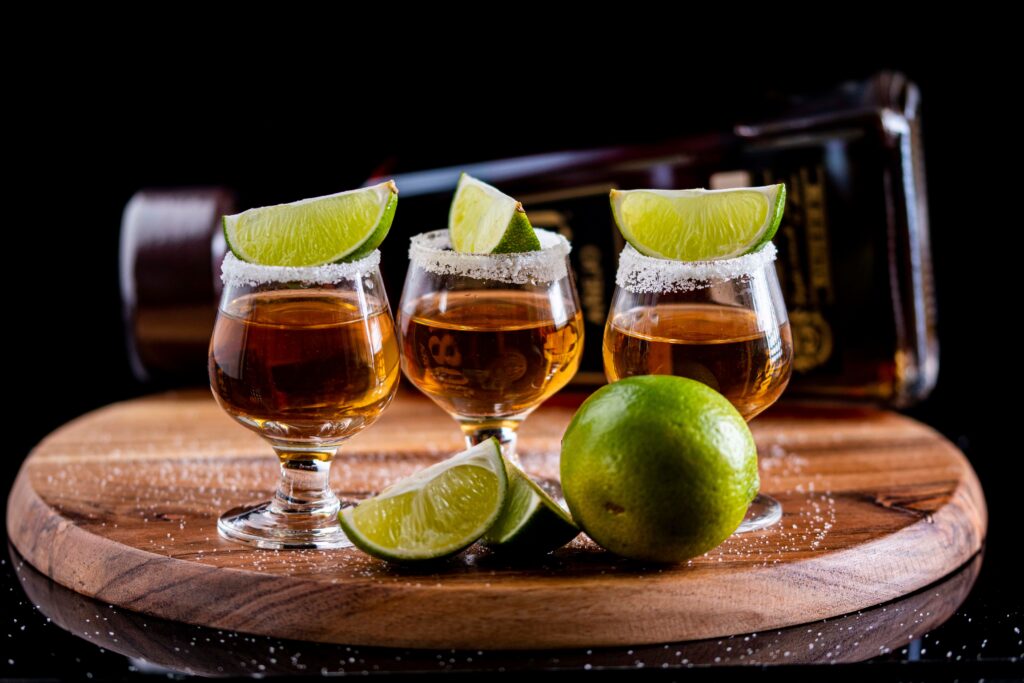
Reposado means rested. By law, a reposado must spend between two months and one year in oak barrels ; long enough to take on color, soften the agave’s raw edges, and develop secondary flavors the blanco doesn’t have, but not so long that the barrel dominates the spirit.
A well-made reposado walks a line most spirits don’t attempt: it keeps the agave character alive while adding vanilla, light caramel, pepper, and a warmth that makes it genuinely pleasant to sip without a mixer. The finish is longer than a blanco, rounder, with the oak trailing off quietly rather than announcing itself.
For bourbon drinkers crossing over, this is often the style that makes the category click; familiar enough in structure, distinct enough in character to feel like something new.
The additive risk is higher here than in blancos. Producers of reposado can legally add glycerin, caramel coloring, oak extract, and sugar syrup, up to one percent of the bottle’s total weight, without any disclosure required on the label. Above that threshold, the label must list them, but one percent is enough to meaningfully alter texture and perceived sweetness without triggering that requirement. The barrel aging provides additional cover: a manipulated reposado is much harder to identify by color or texture alone than a manipulated blanco. Verification matters more at this tier, not less.
Best for: Neat sipping. On the rocks. Elevated cocktails where you want barrel complexity without full añejo weight. The daily driver for serious tequila drinkers.
Bottles worth knowing:
- Cimarrón Reposado — ~$20–30. Additive-free verified, dry and savory with light oak on the finish. The strongest value in the category at this price.
- Arette Reposado — ~$22–25. Vanilla, black pepper, floral honey, smooth finish. Additive-free, consistently undervalued.
- Lunazul Reposado — ~$22. Light vanilla and citrus, reliable and clean. Good entry point for the style.
Añejo: The Commitment
Añejo means aged. By law, a minimum of one year in oak barrels, maximum three; after which it becomes extra añejo. This is where tequila stops being a quick decision and starts being a considered one.
A well-made añejo has moved significantly away from fresh agave character. The barrel has done real work: vanilla, dried fruit, toasted oak, sometimes chocolate or tobacco depending on the barrel type and length of aging. The texture is fuller, the finish longer, the overall experience closer to a premium whiskey than anything you’d put in a margarita. Sip it like you’d sip a bourbon you paid too much for — slowly, in a proper glass, with nothing competing for your attention.
The quality ceiling is high. So is the price floor. Below $40 you’re in compromised territory for añejo — the economics of real barrel aging don’t allow for much margin at lower price points, and producers who hit that number are often cutting corners elsewhere. The bottles worth drinking start around $45–60 and climb steeply from there.
The additive risk is also highest in this category. Extended aging costs money, and caramel coloring is a cheap way to make a young spirit look older. Verification is non-negotiable at this tier.
Best for: Neat sipping only. This is not a cocktail ingredient. Old fashioned variations if you must mix it, but that’s a conversation for after you’ve tried it straight.
Bottles worth knowing at higher price points:
G4 Añejo — ~$75–80. Additive-free, produced by fourth-generation master distiller Felipe Camarena at El Pandillo Distillery in Los Altos, mineral-driven with real barrel complexity. Aged 18 months in bourbon oak, which puts it well past the legal minimum. Exceptional value at this tier.
Tequila Ocho Añejo — ~$75–82. Vintage and single-estate, additive-free verified, ages for exactly one year in ex-American whiskey barrels. Shows terroir in a way most añejos don’t attempt. Pricing varies by vintage and retailer; Total Wine carries it consistently.
Fortaleza Añejo — ~$90–110 at MSRP where you can find it, significantly more on the secondary market. Additive-free verified, produced at one of the oldest distilleries in Jalisco using traditional tahona production and aged 18 months in American oak. The benchmark for the style — but supply is allocated and real-world shelf prices often run $150 and above. Buy it if you find it at list price. Don’t plan your budget around it.
Lunazul Añejo — ~$25–30. The strongest value añejo available under $30. Not the complexity of the above, but honest, clean, and a legitimate entry point to the style.
The Decision Framework
Stop overthinking the category and answer three questions:
Are you mixing or sipping?
Mixing — blanco. Sipping — reposado or añejo.
How much barrel influence do you want?
None — blanco. Some — reposado. A lot — añejo.
What’s your budget?
Under $30 — blanco or reposado, several excellent verified options.
$45 and up — añejo becomes worth exploring seriously.
The fastest education is still the side-by-side: one blanco and one reposado, same evening, neat. Add an añejo when you’re ready to go deeper. The progression makes sense once you’ve tasted the difference rather than read about it.
FAQ
Q: What is the difference between blanco, reposado, and añejo tequila?
Blanco tequila is unaged or aged less than two months — it delivers the purest agave expression with citrus, pepper, and vegetal notes. Reposado is aged two months to one year in oak barrels, adding vanilla, light caramel, and a rounder texture while preserving agave character. Añejo is aged one to three years, producing a richer, more barrel-forward spirit closer in structure to premium whiskey. Each style has a distinct best use — blanco for cocktails, reposado for sipping, añejo for slow, considered drinking.
Q: Which tequila style is best for drinking neat?
Reposado is the most approachable style for neat sipping — the barrel time smooths the agave’s raw edges and adds complexity without overwhelming the spirit. Añejo is excellent neat for drinkers who want deeper barrel character, but quality bottles start at a higher price point. Blanco neat is a legitimate preference for drinkers who enjoy bright, citrus-forward spirits, but it’s the least forgiving style if the production quality is poor.
Q: Is añejo tequila worth the higher price?
At the right price point, yes. Quality añejo requires real barrel time — a minimum of one year — and the economics of that aging mean serious bottles start around $45–60. Below that price, verify the additive status carefully, as caramel coloring is commonly used to simulate aging depth in younger or lower-quality spirits. The best añejos — Fortaleza, G4, Tequila Ocho — are worth every dollar and compare favorably to premium whiskey at similar price points.