

























Bourbon drinkers, tequila deserves a second look, if you know what to look for. Breaking down the best additive-free bottles under $30 and why it matters.
There’s a bottle of Cimarrón Reposado sitting on my counter right now. Paid less than thirty dollars for it. No celebrity endorsement. No limited edition packaging. No Instagram campaign telling me I deserved it. Just 100% blue Weber agave, a barrel, and enough time to become something worth drinking.
That’s the whole pitch; and for a guy who spent the last decade reaching for bourbon first, it’s a pitch that finally landed.
The Bourbon Wall
If you drink spirits seriously, you probably built your palate around whiskey. Bourbon, Scotch, maybe rye; the vocabulary of barrel aging, grain character, and proof. It’s a language worth knowing. The problem is it becomes a wall. Everything gets measured against it.
Tequila, for a long time, sat on the wrong side, associated with bad college decisions, worse mixers, and the kind of morning you’d rather not revisit.
That reputation belongs almost entirely to one category: mixto tequila.
By law, tequila only needs to be 51% agave. The other 49% can be cane sugar or other fermentable sugars. The result is a cheaper, harsher spirit that shares a name with something genuinely good but very little else. Calling mixto tequila the same thing as 100% agave tequila is like calling a gas station hot dog a charcuterie board — technically in the same food family, spiritually a continent apart.
Every bottle worth your time is labeled 100% agave. If it doesn’t say that, put it back.
What Bourbon Drinkers Actually Find When They Cross Over
Here’s what shifts when you approach tequila the way you’d approach a well-made bourbon: you start tasting.
Cimarrón Reposado
Aged in American white oak, fermented naturally with winemakers’ yeast, produced at NOM 1146 in Jalisco from 100% estate-grown Blue Weber agave, opens with cooked agave and a dry, savory base. There’s no sweetness performing on top of it. The oak shows up on the finish, clean and unhurried, the way a good wheated bourbon trails off without announcing itself.
Espolón Blanco
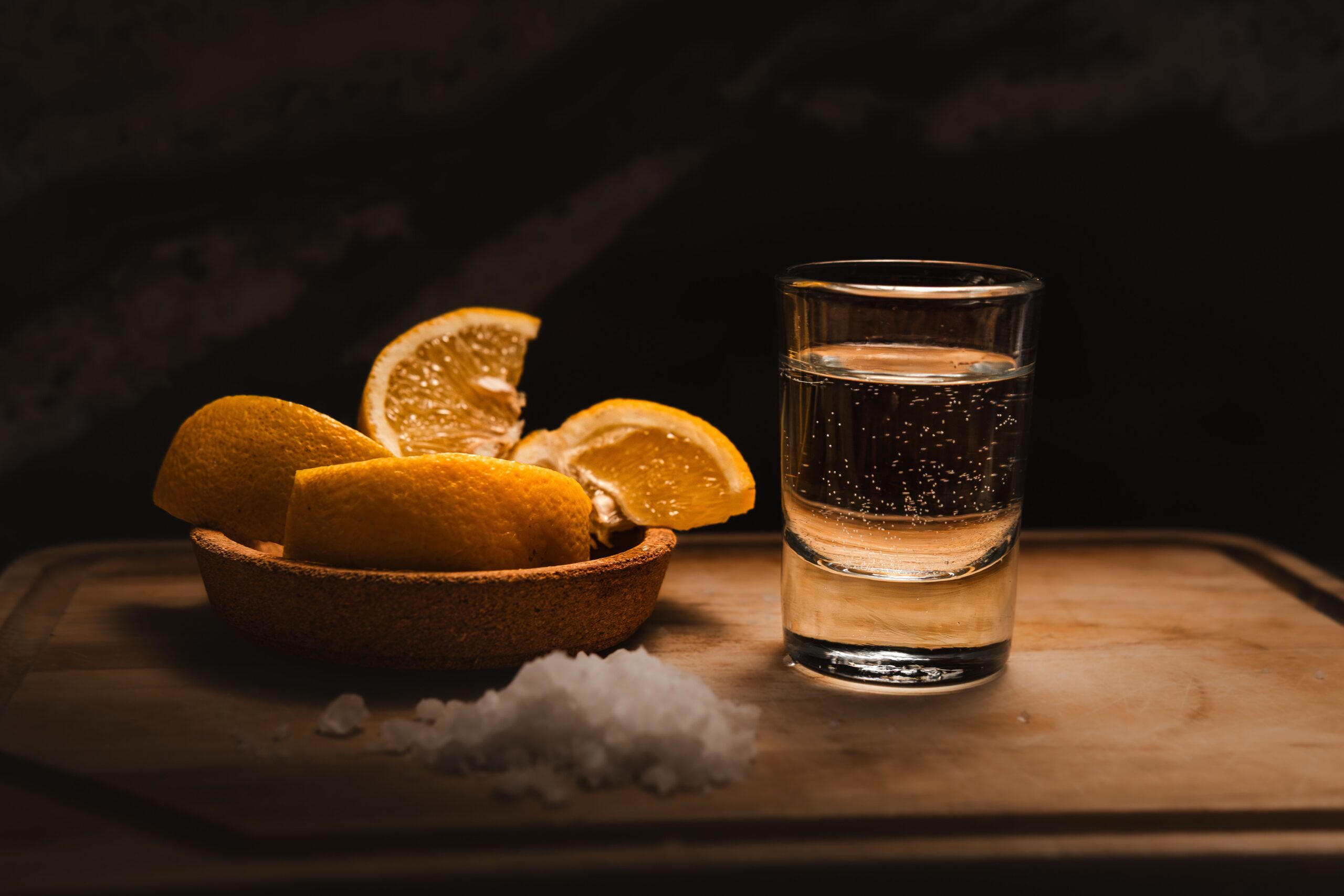
By contrast, is the unaged expression, no barrel, no time, just the agave itself. What you get is bright and citrus-forward, with a grassy, slightly herbaceous backbone that has no equivalent in whiskey. It’s not better or worse than the reposado. It’s a different conversation entirely. Sip them side by side and you’ll understand in twenty minutes what aging does to this spirit; a lesson that would take months to absorb from reading alone.
That side-by-side is the move. One blanco, one reposado, same evening. It’s the fastest education in the category.
The Additive Problem Nobody Talks About Loudly Enough
This is where it gets interesting for anyone who’s ever had a rough morning after what should have been a responsible night.
Mexico’s Consejo Regulador del Tequila; the CRT, the governing body for all tequila production, permits four additives in any tequila, even those labeled 100% agave: caramel coloring, oak extract, glycerin, and sugar-based syrup, up to 1% of total volume, without any requirement for disclosure on the label.
None of this has to appear anywhere on the bottle you’re holding.
There’s one important exception: blanco tequilas cannot legally contain mellowing additives under CRT regulations. If you’re starting with a blanco, you’re already in cleaner territory by default.
For reposados and añejos, the picture is murkier: and it just got more complicated. In 2024, the CRT moved to restrict brands from using the term “additive-free” in their labeling and marketing, making it harder for producers who actually don’t use additives to say so on the bottle. The regulatory body ostensibly designed to protect tequila integrity is now making it more difficult for consumers to identify clean products.
Draw your own conclusions.
The most reliable tool that remains is Tequila Matchmaker: a free app with a producer database built on physical distillery audits, not self-reported claims. Download it before you shop. It takes forty-five seconds and will immediately reframe how you look at every bottle on a spirits shelf.
Additive-free tequila has edges. Real agave has a slightly vegetal, mineral quality that additives are specifically designed to sand down. When you taste it — particularly in a verified blanco — you’re tasting the plant, the water, the fermentation. The same specificity of place that bourbon drinkers call terroir, tequila has it too. It just took the category a while to make that case loudly enough for serious drinkers to hear it.
Where to Start Without Overthinking It
The entry point is simpler than the category makes it seem. Two bottles, both under $30, both 100% agave, both verified clean:
One blanco ; Espolón Blanco for the clean agave baseline.
One reposado — Cimarrón is the strongest value in the category at this price — for the barrel comparison. Drink them neat. Note what you taste. You’ll have a working palate for this category by the end of the week.
The rest — the añejos, the single-estate expressions, the mezcal conversation — can wait.
Start here.
FAQ
Q: What’s the difference between blanco and reposado tequila?
Blanco tequila is unaged or aged less than two months — it expresses the purest agave character, bright and sometimes vegetal. Reposado is aged between two months and one year in oak barrels, which smooths the spirit and adds vanilla, pepper, and light wood notes. For neat sipping, reposado tends to be more approachable. For cocktails, blanco is the standard call.
Q: How do I know if a tequila has additives?
The label won’t tell you — additive disclosure isn’t required by Mexican law, and the CRT recently moved to restrict brands from using the term “additive-free” in marketing. The most reliable verification method is the Tequila Matchmaker app, which conducts physical distillery audits rather than relying on brand self-reporting. As a general rule: if a tequila tastes unusually sweet or syrupy straight from the bottle, additives may be doing that work.
Q: Are blanco tequilas safer from additives than reposados?
Yes, by regulation. Mexican law prohibits the addition of mellowing additives — glycerin, caramel coloring, oak extract, sugar syrup — in blanco tequilas. Aged expressions including reposado and añejo are permitted up to 1% additives by volume without disclosure. That said, many excellent reposados are produced without any additives at all — verification through Tequila Matchmaker remains the most reliable method regardless of style.