


























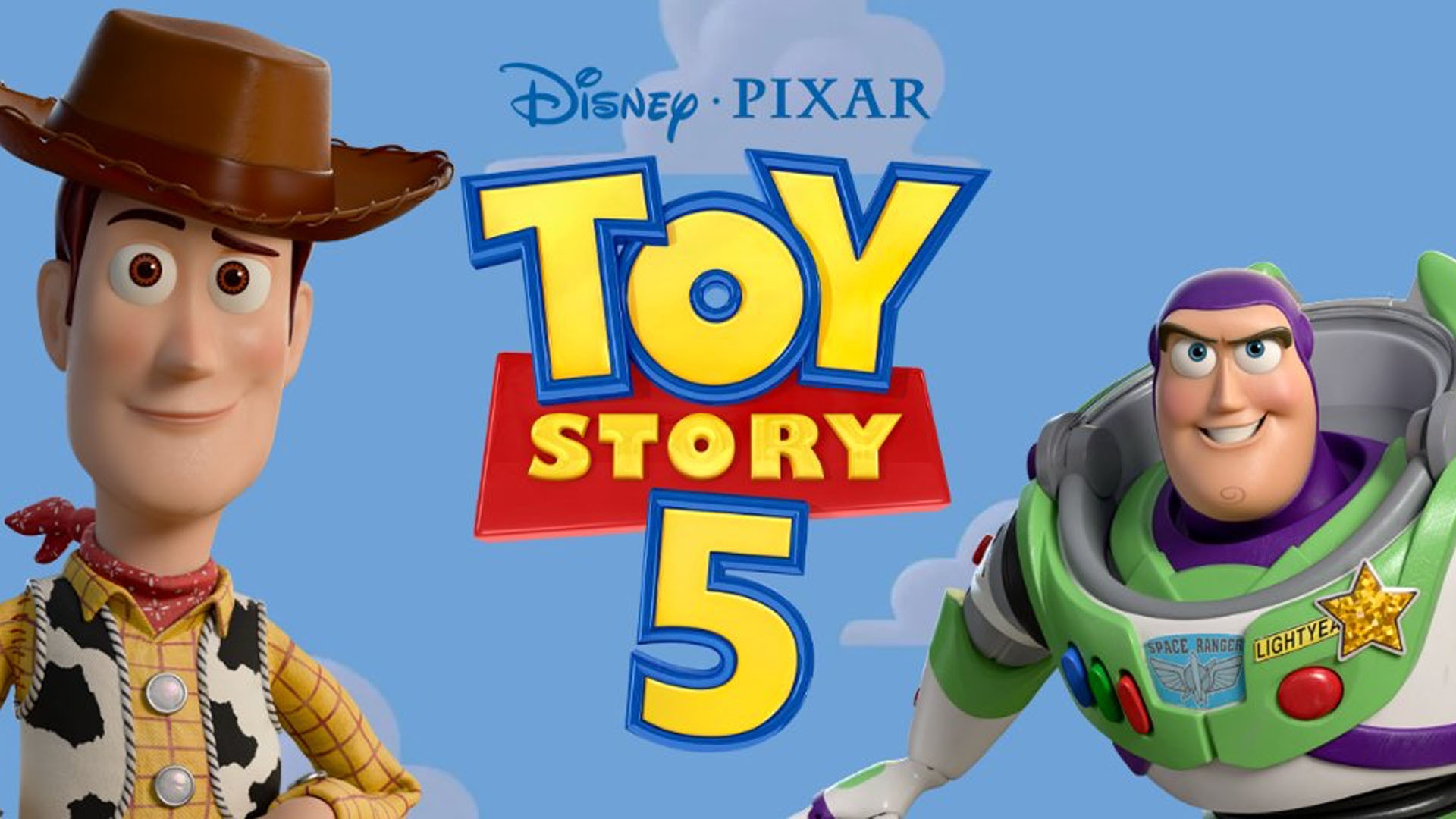
Toy Story 5 opens June 19. You were there in 1995. You cried in 2010. And it’s still not really about the toys.
You remember the theater. Not the film itself; you’ve seen it a hundred times since. You remember the specific quality of that afternoon. November 1995. The person sitting next to you. What you were wearing. What you thought your life was going to look like.
You weren’t a child. You were old enough to drive there yourself, or nearly. You went because everyone was going, because something new was happening, because no one had ever made a fully computer-animated feature film before and that felt like history worth showing up for. You didn’t expect to feel anything beyond the novelty of it.
Then a cowboy had an existential crisis on screen, and something shifted.
Here is what Pixar understood in 1995 that you didn’t: Woody wasn’t afraid of being replaced by a better toy. He was afraid of becoming irrelevant to the person he loved most. That’s not a child’s fear. Children don’t know yet that love has an expiration date, that people outgrow you, that being someone’s favorite is a temporary condition. You knew. You just didn’t expect to encounter it in a children’s movie on a Wednesday afternoon in November.
That’s the thing about Toy Story that nobody said out loud at the time. The story and characters resonated with audiences of all ages; but not for the same reasons. The kids in that theater were delighted by talking toys. You were quietly undone by what the talking toys were actually saying.
Buzz Lightyear spent an entire film refusing to believe he was a toy. He had constructed an identity — Space Ranger, hero, essential — and the movie’s central cruelty was showing him, in a devastating mid-film sequence, that none of it was real. That the thing he believed about himself wasn’t true. You were in your twenties or thirties then. You knew exactly what that felt like. You just hadn’t seen it animated before.
Then came Toy Story 2. Then 3. And here is the part that should stop you cold when you think about it: Pixar made a different film for you each time, because you were a different person each time.
Toy Story 2 was about whether your history is worth preserving; whether the worn, beloved, imperfect version of something has more value than the pristine, protected version that never gets touched. You were building a career then, maybe a family, deciding what to keep and what to leave behind.
Toy Story 3 was about letting go. About the incinerator scene — which wasn’t really about toys in a furnace, and you know it; and about Andy driving away, and about the specific grief of watching someone you love move past needing you. When the third film was released in 2010, the generation that had grown up with Woody and Buzz were either preparing for or nearing the end of their college careers, matching Andy’s story perfectly. But if you were forty in that theater, the math hit differently. You weren’t Andy. You were the toys. You were the thing being left behind.
You cried. You probably didn’t admit it.
Toy Story 4 was more complicated. Bo Peep came back, older and self-sufficient, and the film asked whether the life you’ve built around someone else’s needs is the life you actually chose. It was the most adult Toy Story yet and the least loved, perhaps because the question it asked was too uncomfortable for a franchise that had always provided resolution.
But here you are anyway. Toy Story 5 opens June 19, 2026. Thirty-one years after that November afternoon. Tom Hanks is back. Tim Allen is back. Randy Newman returned to score his fifth Toy Story feature. The gang is all here, older and unchanged the way only fictional characters can be, facing a new threat: a brand-new tablet device that arrives with her own disruptive ideas about what is best for their kid, Bonnie.
Toy meets tech. The toys fighting for relevance in a world that has moved on to something shinier, something more responsive, something that gives you exactly what you want the moment you ask for it.
You are in your forties or fifties now. You know something about fighting for relevance. You know something about being the thing in the room that remembers how it used to be done, that carries history no one asked for, that loves someone who is being pulled toward something faster and newer and more immediately satisfying than you are.
Pixar didn’t plan this. Or maybe they did. Either way, the franchise has found you again, exactly where you are.
This is what the nostalgia you’re feeling is actually made of. It isn’t sentiment for Woody and Buzz. It’s recognition. You feel it in your chest when you see the trailer not because you miss the movie, but because you miss the person who first watched it — the version of you who didn’t yet know what Woody’s fear was really about, who couldn’t have told you why Buzz’s identity crisis hit so hard, who sat in that theater in November 1995 with everything still ahead of them.
That person is still in there. Toy Story is just the address where they still live.
Go see it on the biggest screen you can find. Bring someone who was also there in 1995. Don’t apologize for what happens during the third act.
Toy Story 5 has a runtime of 102 minutes. It won’t feel like enough.