






















Centenario Tequila’s new “Todo o Nada” was built by an all-Mexican team. Here’s why that decision makes all the difference.
México’s #1 tequila isn’t chasing a cultural moment. It’s been inside one since 1857.
Long before “all or nothing” became messaging, it was a production philosophy.
Centenario Tequila was founded in 1857 by Lázaro Gallardo, credited as the world’s first Maestro Tequilero, in the Highlands of Jalisco, where the red clay soil and high altitude produce agave with a distinctly different character than the lowland varieties: denser, sweeter, more mineral.
Nearly 170 years later, the distillery still operates from that same region, still family-owned, still using the proprietary Selección Suave® process that defines the house style.
That style is worth understanding.
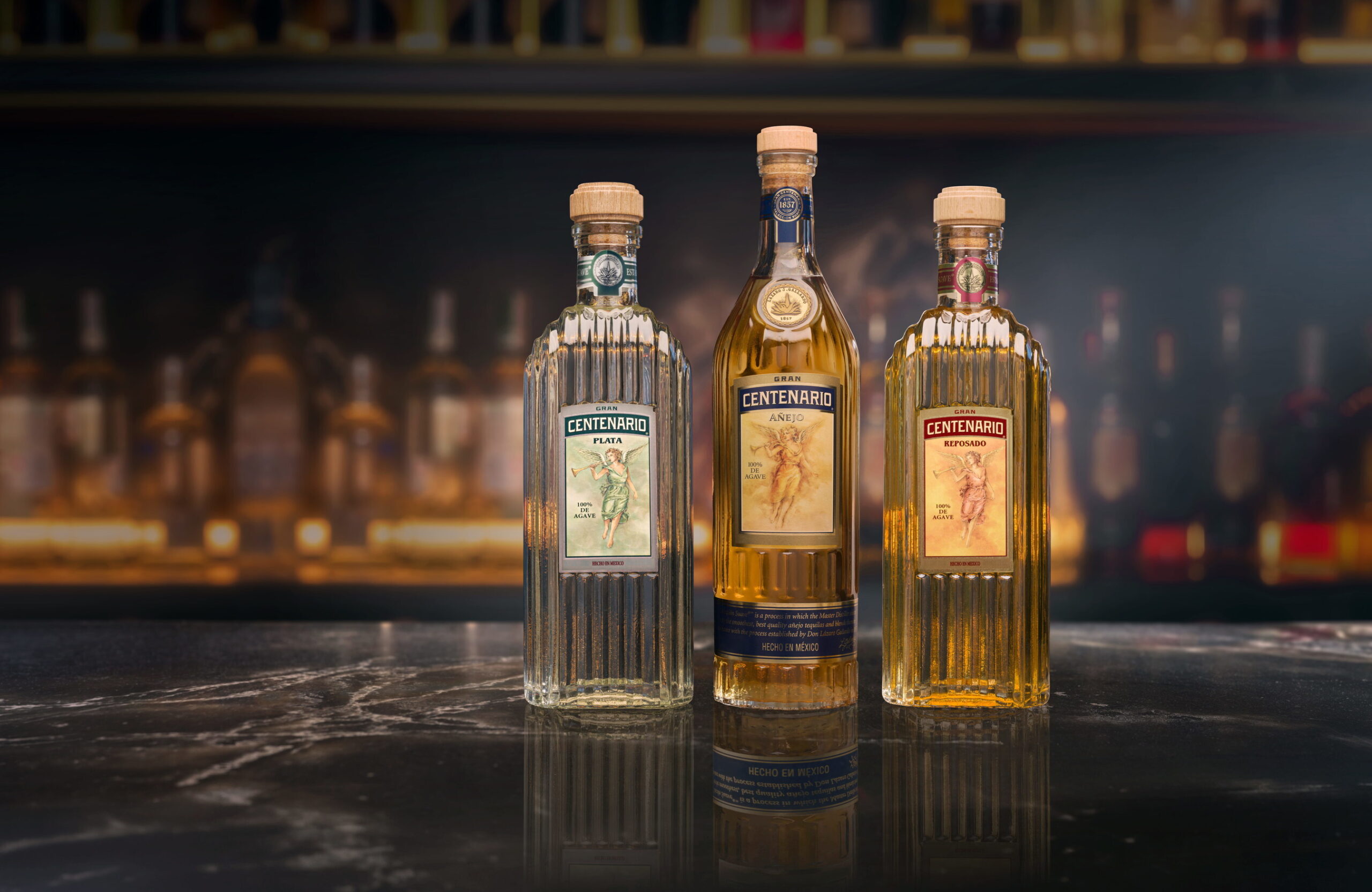
Selección Suave is built around smoothness without sacrifice, the goal being a tequila that carries the complexity of highland agave without the harsh finish that pushes casual drinkers toward mixer territory. The result is a spirit that works across contexts: neat for those paying attention, in cocktails for those who aren’t, and in both cases without apology.
Double Gold at the San Francisco World Spirits Competition and Platinum at the L.A. Spirits Awards confirm the quality at a competitive level.
What the Liquid Actually Tastes Like
Highland Jalisco tequilas tend toward fruit-forward profiles: cooked agave sweetness, citrus, a floral edge, with more refined structure than their lowland counterparts.
Centenario’s Selección Suave process accentuates that profile, dialing back bitterness and extending the finish. The Reposado, aged in oak, picks up vanilla and light spice without losing the agave backbone. The Añejo deepens that oak influence toward dried fruit and caramel while maintaining enough brightness to avoid the heavy, whiskey-adjacent profile that some aged tequilas drift into.
For the whiskey drinker curious about tequila, or the tequila drinker looking for a brand with genuine heritage credentials, Centenario is a logical place to start.
The Culture That Built the Brand
Centenario is the Official Tequila of the Mexican National Team, and that alignment is not incidental. The brand’s connection to Mexican identity runs through its entire history — a spirit produced in Mexico, for Mexicans, that traveled with the diaspora into the United States and maintained its cultural weight across generations. There are 68 million Hispanic adults in the U.S. today.
For many of them, Centenario is not a discovery, it is a household name inherited from parents and grandparents who brought it with them.
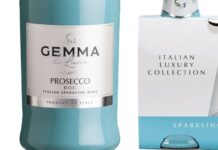
The brand’s recent Tri-Nation Fútbol Reposado — a limited-edition expression aged in Mexican, American, and Canadian oak — captured that layered identity in the bottle itself. It is a tequila made for people who carry more than one place inside them.
Todo o Nada
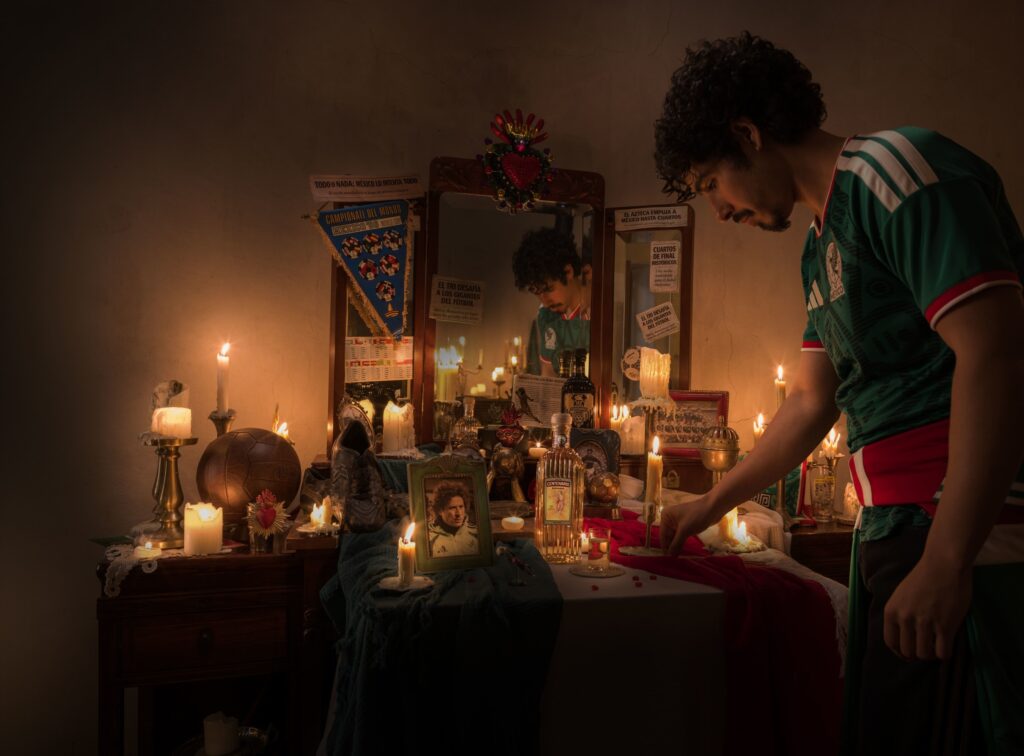
The phrase means all or nothing, and within Mexican culture it carries a specific gravity — not recklessness, but full commitment. The willingness to pour everything into something without holding back. It describes the craftsperson who will not cut corners. The community that shows up completely for a national team that may or may not win. The family that builds something from nothing and refuses to let it become ordinary.
Centenario has been making tequila that way since Gallardo founded the distillery. The message is not new. The tequila isn’t either. Both have simply been waiting for the rest of the world to catch up.
Centenario Tequila is available nationally at grancentenario.com.