

















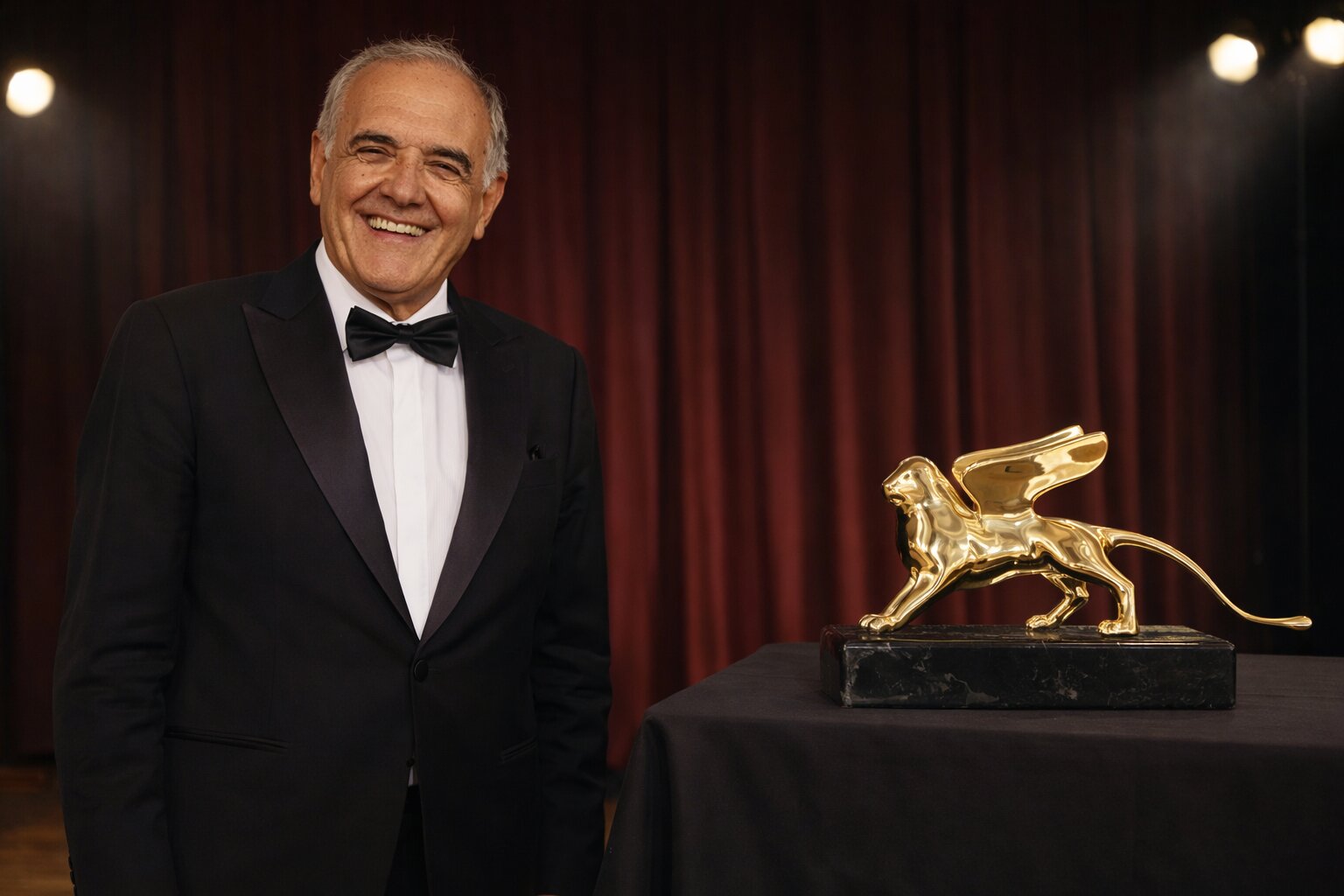
Alberto Barbera has been renewed as Venice Film Festival Artistic Director through 2028, cementing his legacy as one of cinema’s most influential curators.
The Curator the Industry Trusts: Alberto Barbera Returns to Lead Venice Through 2028
There are a handful of names that carry genuine weight in the international film world. Names that, when attached to a project, signal something real.
Alberto Barbera is one of them.
The Venice Film Festival has just confirmed that its longtime Artistic Director will continue guiding La Biennale di Venezia’s cinematic program through 2027 and 2028, extending one of the most storied tenures in the history of prestigious international film festivals. For filmmakers, financiers, and industry executives watching the festival circuit from Toronto to Cannes to Tokyo, this is news worth paying attention to.
Why This Renewal Matters Beyond the Lido
Venice is not just a beautiful backdrop. It is a market signal. A world premiere at Venice can reshape a film’s awards trajectory, unlock distribution deals, and reframe how investors perceive a project. Barbera, who has served as Venice Film Festival Artistic Director since 2012 and previously held the role from 1998 to 2001, has spent decades understanding exactly how that machinery works.
La Biennale di Venezia’s board of directors, chaired by Pietrangelo Buttafuoco, approved the re-appointment citing “the results he has achieved in the recognized quality of the selections, in discovering and launching new talents on the international stage, in spreading and advancing the culture of cinema and in expanding audiences.”
That is not ceremonial language. That is an institutional endorsement grounded in a track record that speaks for itself.
A 2025 Lineup That Proved the Point
If there were any lingering doubts about Barbera’s continued relevance as a curator, the 2025 Venice edition answered them decisively. The selection included Luca Guadagnino’s After the Hunt, Guillermo del Toro’s Frankenstein, Kathryn Bigelow’s House of Dynamite, Mona Fastvold’s The Testament of Ann Lee, and Kaouther Ben Hania’s The Voice of Hind Rajab. Jim Jarmusch’s Father Mother Sister Brother took home the Golden Lion.
That is a lineup built around both commercial weight and cultural urgency. Five distinct directorial voices. Five projects that arrived in Venice and left with international attention. This is the curatorial muscle that production companies and film finance professionals respect when allocating budgets toward festival strategy.
For independent producers working in the $1 million to $10 million range, Venice remains one of the clearest paths toward the kind of critical visibility that converts into acquisition conversations. Understanding who programs the festival is part of understanding the market itself.
The Long Arc of a Serious Career
Barbera’s authority did not emerge from a single appointment. It was built methodically, across institutions and decades.
He studied modern literature at Turin University, with a focus on film history and criticism. He chaired A.I.A.C.E., the Italian association of friends of arthouse cinema, from 1977 to 1989. He worked as a film critic for La Gazzetta del Popolo from 1980 to 1983, contributing to publications including La Stampa, Bianco & Nero, and Cineforum. He collaborated with RAI television and radio programs dedicated to cinema.
From 1989 to 1998, he directed the Festival Internazionale Cinema Giovani, which evolved into the Torino Film Festival.
From 2002 to 2006, he co-directed the RING! Festival della Critica in Alessandria. He served as director of the National Museum of Cinema in Turin from 2004 to 2016.
This is not a resume built on connections. It is a career built on institutional commitment to cinema as a serious art form with real cultural stakes.
What This Means for the Festival Circuit Going Forward
For entertainment executives and film financiers tracking the global festival landscape, leadership continuity at Venice carries practical implications. Programming philosophy shapes submission strategy. It shapes which films get made, which co-productions get greenlit, and which territories get elevated.
With Barbera extended through 2028, the industry can plan accordingly. The appetite for bold international voices, auteur-driven projects, and films willing to engage with difficult subject matter will remain central to Venice’s identity. That has strategic value for any producer or financier building a slate with festival ambitions.
According to Variety’s ongoing festival coverage, Venice’s position as the de facto launch pad for awards season contenders has only strengthened in recent years, often setting the tone that Cannes and Sundance respond to in the months that follow.
FAQ: Alberto Barbera and the Venice Film Festival
Q: How long has Alberto Barbera served as Venice Film Festival Artistic Director? A: Barbera has served as Artistic Director of La Biennale di Venezia since 2012. He also held the position previously from 1998 to 2001, making his total tenure one of the longest and most influential in the festival’s history.
Q: What was notable about the 2025 Venice Film Festival selection? A: The 2025 edition featured major films from Luca Guadagnino, Guillermo del Toro, Kathryn Bigelow, Mona Fastvold, and Kaouther Ben Hania. Jim Jarmusch’s Father Mother Sister Brother won the Golden Lion, capping a lineup that balanced commercial prestige with global political and artistic relevance.
Q: Why does Venice Film Festival leadership matter to film investors and producers? A: The Artistic Director’s curatorial vision directly shapes which films gain international visibility, critical validation, and awards traction. For independent producers and financiers, understanding the festival’s programming philosophy is essential to effective slate strategy and festival campaign planning.
Elevated Venice as a force in global cinema
Alberto Barbera’s renewal through 2028 is a signal of institutional confidence in a curator who has consistently elevated Venice as a force in global cinema. For everyone working along the production and finance side of independent film, from development executives in London to sales agents in Seoul to producers planning their next AFM strategy, knowing that Venice’s programming identity remains stable is genuinely useful information. The Lido is not going anywhere. Neither is the standard it holds.
Follow DailyOvation for ongoing coverage of international film festivals, industry news, and the films shaping the cultural conversation from Venice to Cannes and beyond.

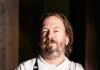





A career that runs from film criticism to arthouse advocacy to national museum direction to festival programming is the kind of compound expertise that institutional boards almost never replace if they can avoid it.
A career built on institutional commitment to cinema as a serious art form
Attending Venice during festival week and eating your way through the Venetian bacari between screenings is one of the great undiscussed pleasures of the international film circuit.
Private terraces, small producers pouring regional wines, producers and directors actually eating together because the island doesn’t let you escape the way Cannes does.
The cocktail scene on the Lido during Venice Film Festival week is genuinely underrated. Hotel bars running private industry events, producers and directors drinking Venetian spritzes on terraces at midnight
A Negroni in Venice in September while the festival is in full swing is one of the great cocktail experiences on the planet
The downstream value of a Venice premiere, acquisition conversations, awards traction, international distribution leverage , is real and measurable. Barbera’s renewal extends the window
Venice functions as a market signal before it functions as anything else for serious film finance professionals. A world premiere slot there is a de-risking event for distribution conversations.
For independent producers in the $1M to $10M range, festival strategy is capital allocation strategy. Knowing that Venice’s programming identity remains stable through 2028 is genuinely useful information for slate planning.
Venice in early September is one of the great wine travel windows in Italy. The Veneto harvest is just beginning, the prosecco houses are pouring their best, and the Amarone producers are doing private events for the kind of buyers who attend film festivals and also take their cellars seriously.
The Lido in late August and early September has a specific food energy that nowhere else on the festival circuit replicates.
The 2025 lineup — Guadagnino, del Toro, Bigelow, Jarmusch taking the Lion — is the equivalent of a vertical tasting where every bottle delivers. That doesn’t happen by accident.
For collectors who travel to Venice during festival week, the combination of serious cinema and access to some of the best small-production Veneto and Friuli wines poured informally at industry events is genuinely one of the more pleasurable confluences on the annual calendar.
The real parallel between a great film curator and a great chef is that both are building an experience where the individual elements only make sense in relation to each other. Barbera’s lineups read like tasting menus. The Guadagnino, the del Toro, the Jarmusch — each one courses in a meal that only coheres because someone decided the order and the balance.
Nobody ever talks about the food at Venice during festival week and it is genuinely criminal. The cicchetti bars around the Lido, the late-night risotto after a midnight screening, the espresso between press conferences — the culinary experience of attending Venice is as carefully layered as the programming.
“A signal of institutional confidence.” In the film industry this means they asked him, he said yes, and nobody wanted to have the conversation about finding someone else.