




















Old Hickory Bourbon 12 Year Rye launches as a rare bottled in bond release backed by heritage, bold spice, and collector appeal.
Some spirits whisper. Others speak with authority. Old Hickory Bourbon 12 Year Rye does not ask for attention. It earns it.
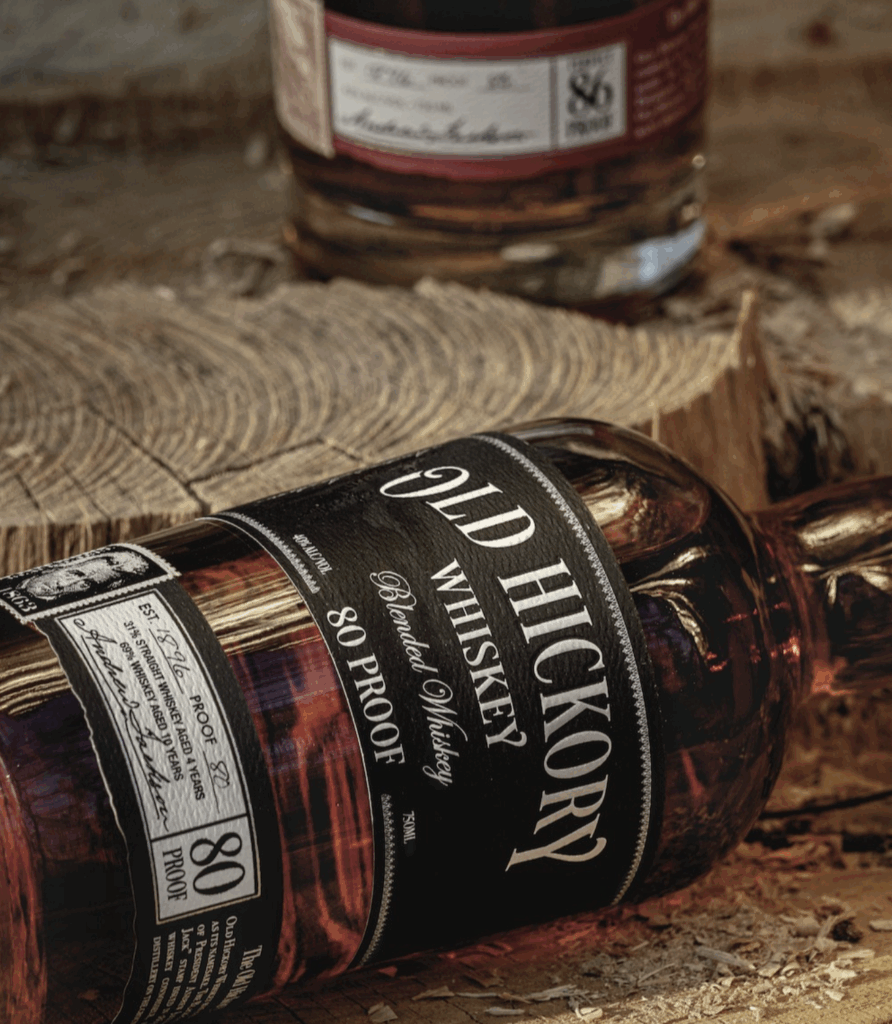
This rare release enters the whiskey conversation with calm confidence, grounded in a lineage that traces back to 1868 and a production philosophy that rewards patience over noise. Only eight bottles were allocated to age the full twelve years, a fact that instantly sharpens the focus of collectors. But scarcity alone does not carry a whiskey this far.
Flavor, structure, and credibility do. The kind of bottle that changes the pace of the evening and reminds you why you started paying attention to whiskey in the first place.
A Heritage Brand That Knows Who It Is
Old Hickory is not posturing as heritage. It is heritage. As Jacki Arnold of R.S. Lipman Co. explains, “It’s been around since 1868.” That timeline matters to anyone who values provenance, whether they collect Burgundy, Barolo, or single malt Scotch.
“We really do have something for everyone here at Old Hickory.”
Jacki Arnold
R.S. Lipman Co.
Arnold is clear about the brand’s intent. “We really do have something for everyone here.” That means a lineup that respects different drinking styles without blurring purpose. There is a whiskey meant for mixing, a bourbon designed to anchor the portfolio, and a Hermitage Reserve Collection that exists purely for sipping.
Everyone has bought a bottle that promised depth and delivered marketing. Old Hickory avoids that trap by being honest about what each expression is built to do. No cosplay. No shortcuts.
Tasting the Lineup Before the Star Arrives
The tasting begins with the Hermitage Reserve 10 Year Barrel Proof. Bottled at 117 proof, it brings heat but balances it with sweetness from a 99 percent corn mash bill. Expect caramel, toasted oak, dark honey, and vanilla. It has earned platinum at the Ascot Awards and double gold in San Francisco, results that signal quality without shouting.
Old Hickory Hermitage Reserve 10 Year Barrel Proof Tasting Notes
- Nose: Vanilla, Oak, Baking spices
- Palate: caramel, vanilla bean, banana brioche
- Finish: Light caramel, orange cake, sweet undertones, thick mouthfeel
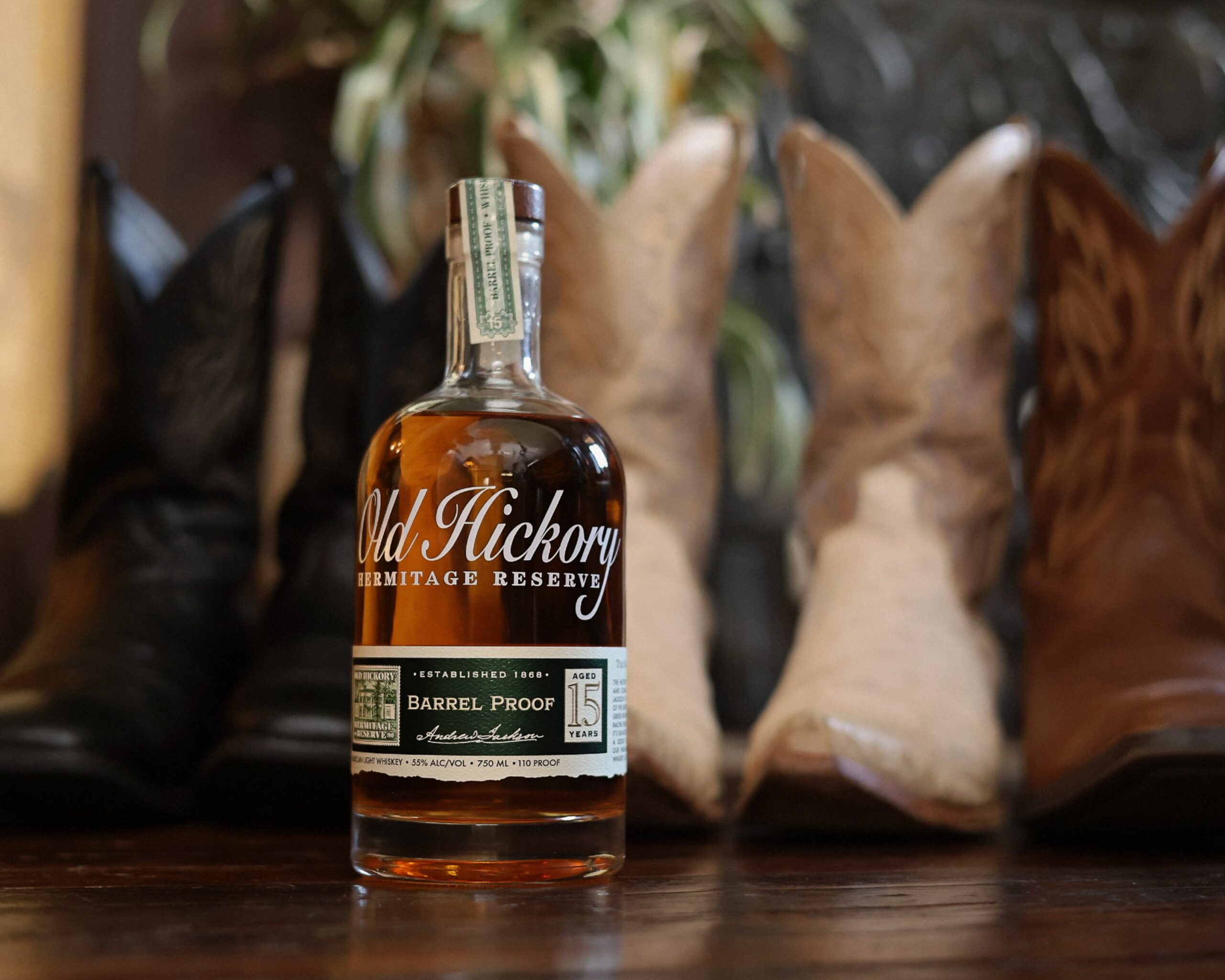
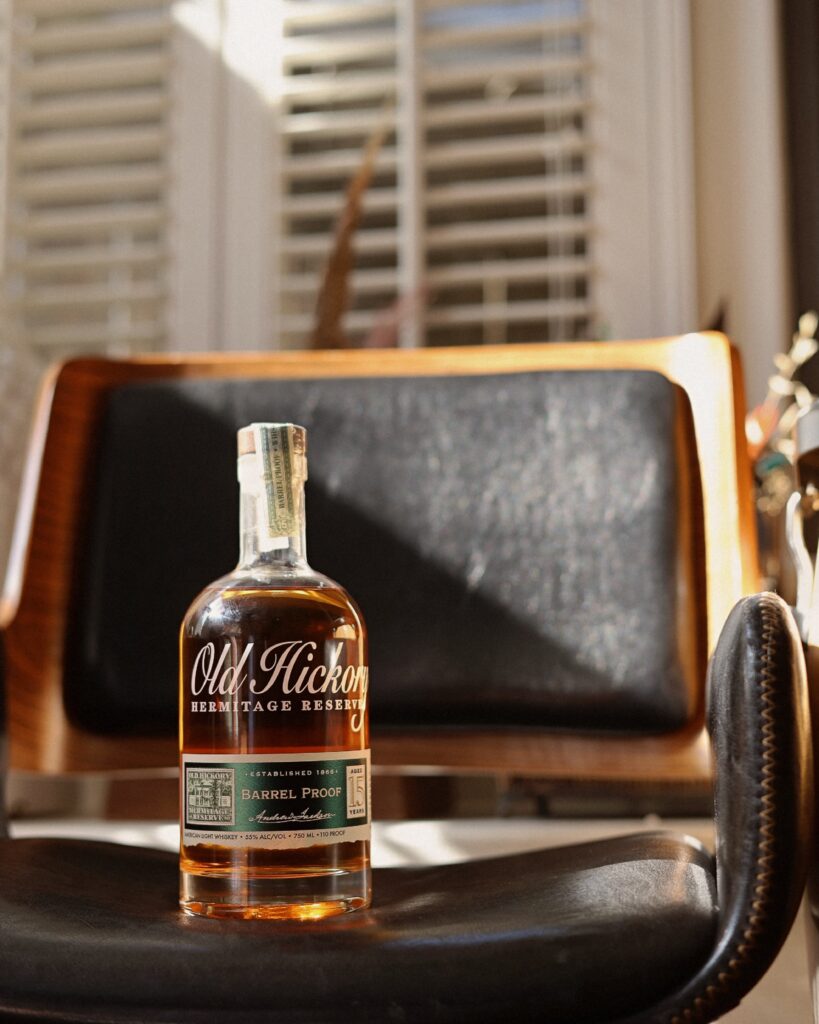
Next comes the Hermitage Reserve 15 Year, aged five additional years with the same mash bill. The proof settles at 110, the texture thickens, and flavors deepen into butterscotch, custard, brown sugar, and honeyed orchard fruit.
Hermitage Reserve 15 Year Tasting Notes
- Nose: Intense aromas of butterscotch, custard, cake batter, marshmallow, and sweet corn.
- Palate: Thick and rich mouthfeel with layers of brown sugar, caramel corn, vanilla bean ice cream, orange zest, and toffee.
- Finish: Long, smooth, and satisfying with notes of butter, oak-kissed confectionery sugar, and subtle spice.
Old Hickory Bourbon 12 Year Rye and Why It Matters
This is the release that defines the moment. Old Hickory Bourbon 12 Year Rye arrives as a bottled in bond expression built from a 95 percent rye mash bill. According to Arnold, “This one is a rare release. We only allocated eight barrels to be aged the full 12 years.” She adds, without hesitation, “It is quickly becoming my new favorite.”
“This one is a rare release. We only allocated eight barrels to be aged the full 12 years.”
She adds, without hesitation,
“It is quickly becoming my new favorite.”
Jacki Arnold
R.S. Lipman Co
Old Hickory Hermitage Reserve — Straight Rye, Bottled in Bond, Aged 12 Years
- Nose: Deep, aromatic oak, caramel, dried apple, and baking spices (cinnamon, clove).
- Palate: Rich and chewy, featuring intense rye spice (pepper/ginger), mint, toasted oak, caramel, and dried fruit (cherries, apricots), nutty undertone.
- Finish: Very long and dry, lingering baking spices, and a lingering, sweet finish.
On the nose, the whiskey opens with aromatic oak, caramel, dried apple, baking spice, and a distinct thread of mint. On the palate, bold rye spice leads, followed by ginger, toasted oak, vanilla, cherry, apricot, and a nutty caramel sweetness. It is chewy in the best way, lingering without overstaying its welcome.
Yes, someone will suggest using it in a cocktail. No, you should not. As Arnold notes, you could, but “frankly, you’d be ruining the experience.”
For readers curious about what bottled in bond actually guarantees, the U.S. Alcohol and Tobacco Tax and Trade Bureau offers a clear explanation of the Bottled in Bond Act and its standards: https://www.ttb.gov.
How and Where This Rye Fits Into Real Life
This rye belongs behind serious bars and on well lived shelves, from Nashville to Milan. It works neat or with a single cube in heavy crystal. It pairs effortlessly with rich food, long dinners, and late nights that stretch past intention.
Old Hickory’s broader lineup allows flexibility. The flagship whiskey welcomes mixing. The bourbon bridges casual and contemplative drinking. But the 12 Year Rye is different. It is built for attention.
Mini FAQ: Old Hickory Bourbon 12 Year Rye
Q: What makes Old Hickory Bourbon 12 Year Rye rare?
A: Only eight barrels were allocated to age the full twelve years, making it an extremely limited release.
Q: What does bottled in bond mean?
A: It means the whiskey was produced in the U.S., aged at least four years, bottled at 100 proof, and stored in a federally bonded warehouse.
Q: Is this rye meant for cocktails or sipping?
A: It can be mixed, but it is designed for sipping. Mixing it risks muting its complexity.
Patience, flavor, and clarity of purpose
Old Hickory Bourbon 12 Year Rye is not chasing attention. It is earning trust through patience, flavor, and clarity of purpose. For collectors, it is a smart acquisition. For drinkers, it is a reminder of why rye still excites.
If you find a bottle, buy it. Open it with people who care. Then follow the brand’s ongoing releases and tastings through Old Hickory Bourbon website.