























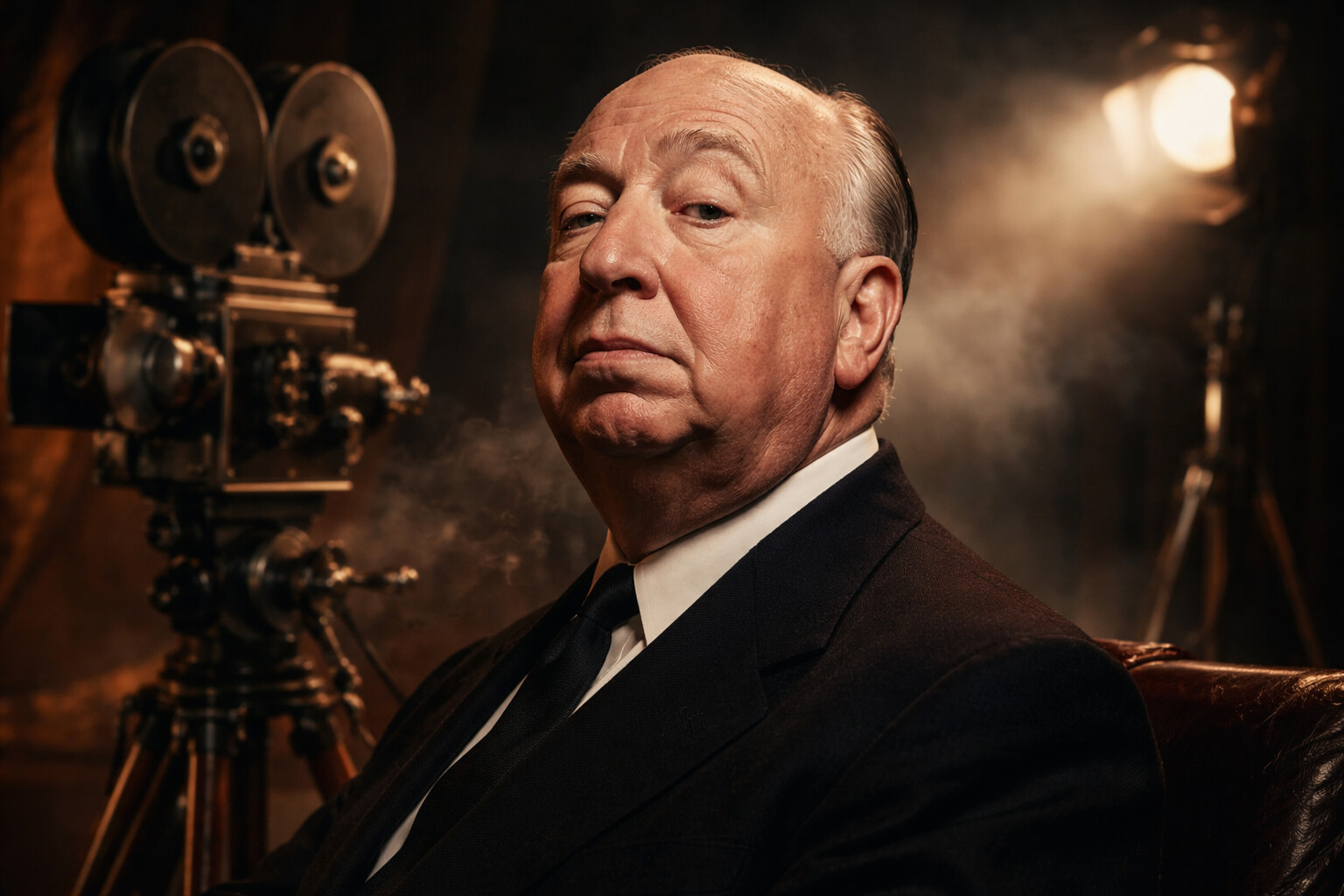
Alfred Hitchcock’s The Lodger gets a bold vertical microdrama adaptation for mobile audiences. Classic cinema meets modern viewing.
The phone in your hand just became a time machine. One of cinema’s most influential directors is meeting the swipe-happy habits of a new generation, and the result is both surprising and strangely delightful.
In a bold vertical microdrama adaptation, a nearly 100-year-old film is being reshaped for the small screen without losing its soul.
For food-obsessed urbanites who obsess over plating, balance, and flavor, this experiment feels familiar. It is a remix, not a shortcut. As audiences in New York, London, Tokyo, and Paris snack on culture in shorter bites, classic film is learning how to travel light.
And yes, it is a little weird at first. But then again, so was cold brew once.
A classic thriller gets a vertical twist
In 1927, The Lodger: A Story of the London Fog announced the arrival of Alfred Hitchcock as a director worth watching. The silent thriller follows a serial killer stalking young blonde women across fog-drenched London, with Marie Ault and Ivor Novello anchoring the tension.
Now, the film has become possibly the first classic feature to be fully reframed for vertical viewing. It is available in the U.S. on the UK-based microdrama app Tattle TV, optimized for phones and short attention spans.
\Tattle calls the release:
“one of the first known instances of a classic feature film being fully reframed for vertical, mobile-first consumption.”
This is not about dumbing things down. It is about meeting viewers where they already are, probably waiting for a cocktail or pretending to read wine labels.
Why vertical microdrama adaptation matters now
Scroll culture is not going away. Vertical microdrama adaptation is how older stories survive inside it. Silent films, free from spoken dialogue, are oddly perfect for this shift. Visual tension reads cleanly on a phone. The suspense still pops. Think of it like turning a tasting menu into perfectly portioned small plates. Same ingredients. New rhythm.
Deadline reports that the film cannot be released in vertical form in the UK or EU due to IP licensing restrictions. In the U.S., the silent version is available for adaptation. Tattle explained its mission clearly: “By repurposing British classics like The Lodger, Tattle TV aims to introduce iconic cinema to a whole new generation of viewers, bridging the gap between film history and contemporary mobile audiences.”
If that sounds ambitious, it is. It is also relatable. Who has not discovered a masterpiece while killing five minutes in line?
AI, speed, and the craft question
Tattle’s approach leans on technology without pretending it replaces taste.
“Tattle TV is an early adopter of cutting-edge AI tools…”
Philip McGoldrick
Tattle co-founder
“Tattle TV is an early adopter of cutting-edge AI tools, allowing us to streamline our vertical-first workflow and bring classic and archival content to mobile audiences faster than ever,” said Tattle co-founder Philip McGoldrick.
Speed matters, but so does restraint. In food terms, this is sous vide, not microwave. The goal is precision. Vertical framing forces creative decisions that can sharpen suspense and amplify mood. The fog feels thicker. The fear feels closer. There is fun-loving energy in watching something old feel unexpectedly fresh, like rediscovering vermouth in a properly made martini.
From Hitchcock to Monty Python and beyond
Deadline recently profiled Tattle TV in its “Microdramas Go Global” feature, highlighting the next generation of vertical video creators. The founders have openly discussed ambitions to repurpose British classics like Monty Python for vertical formats. The app already features projects such as MMA movie Tramp and reality pilot Dog Dates.
This mix is part of the charm. High culture next to guilty pleasure. It is flavorful and fun-loving, a bit like pairing street tacos with a grand cru Burgundy. You might raise an eyebrow, then reach for another bite.
For deeper context on film preservation and public domain cinema, the British Film Institute offers authoritative resources on early film history at https://www.bfi.org.uk.
FAQ: Alfred Hitchcock’s vertical microdrama
Q: What is a vertical microdrama adaptation?
A: It is the process of reframing longer films or shows into vertical, mobile-first formats designed for phone viewing.
Q: Why start with silent films like The Lodger?
A: Silent films rely on visuals, making them ideal for vertical viewing without losing narrative clarity.
Q: Is this available outside the U.S.?
A: No. Due to licensing restrictions, the vertical version is currently available only in the United States.
Reframing Hitchcock for phones
Reframing Hitchcock for phones might sound risky, but risk has always fueled great culture. This vertical microdrama adaptation respects the past while flirting with the future. For viewers who care about craft, flavor, and a sense of fun-loving experimentation, it is worth a watch. Download, swipe, and see how a 1927 thriller holds up between sips. You might be surprised, and maybe a little delighted, too.