























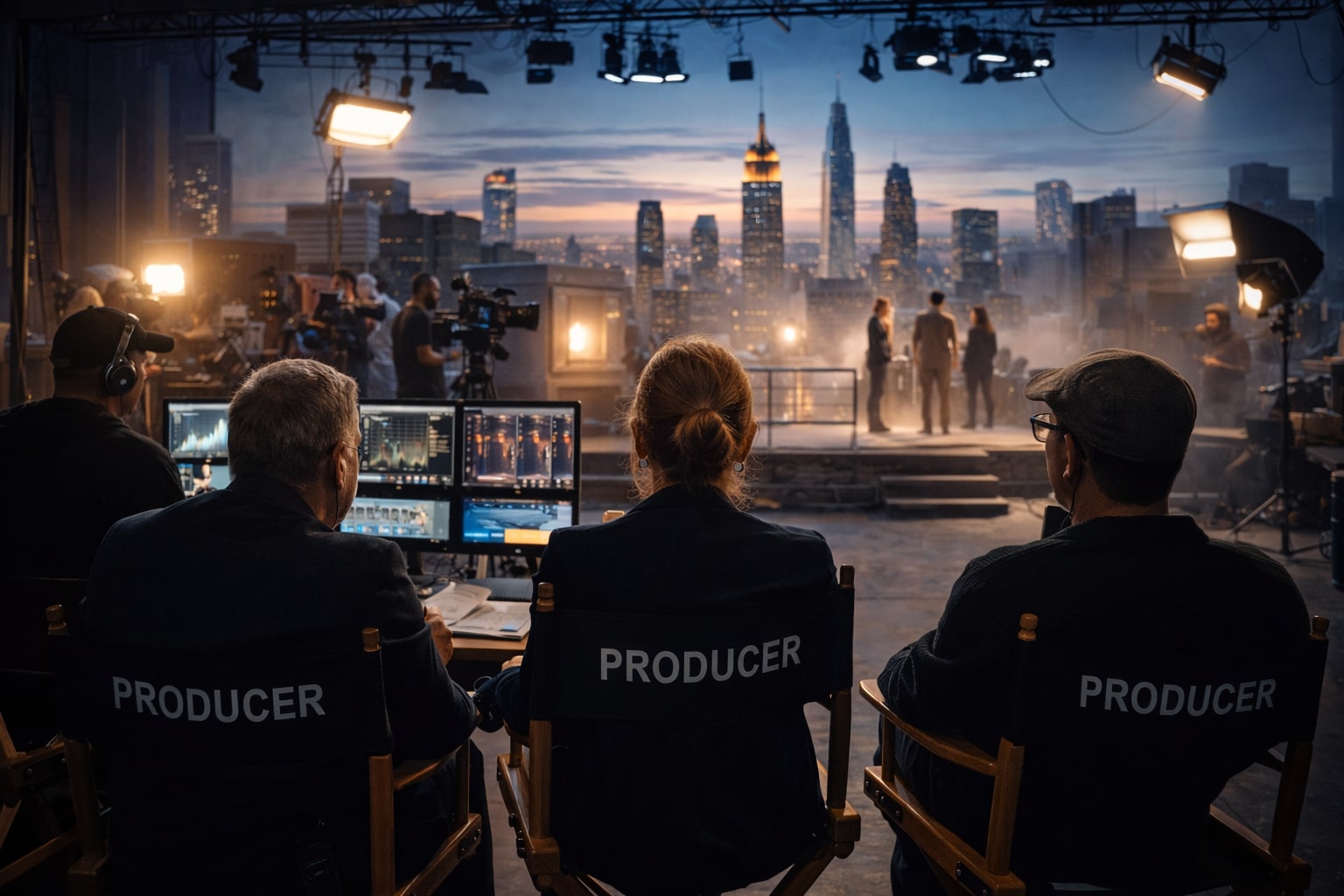
How movies generate profit in 2026, from IP to pre-sales, why today’s filmmakers must think like financiers.
In 2026, filmmaking is no longer just about taste, talent, or timing. It’s about structure. The quiet truth circulating at Cannes, Sundance, TIFF, and the film markets in America, Berlin and Hong Kong is this: how movies generate profit now matters as much as how movies move people.
Behind every film that breaks out, whether it premieres in Park City or debuts on the Croisette, is a financial architecture most audiences never see.
As one blunt reminder puts it:
“A movie is not just a product. It is a capital allocation decision designed to create multiple cash flows over time.”
That idea isn’t killing creativity. It’s reshaping it. And for filmmakers who want longevity instead of luck, this shift is becoming deeply inspiring.
The New Financial Lens on Filmmaking
Movies as Capital, Not Just Art
For decades, filmmakers were taught to think like artists first and hope the money followed. In 2026, the smartest creators reverse the order without losing soul. Films are treated as assets, carefully structured bets where risk, timing, and return are designed before the camera rolls.
This doesn’t mean cold spreadsheets replace passion. It means passion is protected. When producers walk into AFM or the European Film Market today, financiers want to see a plan for capital recovery, not just a sizzle reel. The romance is still there. It just wears a tailored jacket now.
Theatrical Release: Validation Over Illusion
Why Opening Weekend Isn’t the Finish Line
Theatrical release still matters—but mostly as proof, not payoff.
“Theatrical Release: Market Validation, Not Profit.”
A cinema run tests audience appetite, builds credibility, and creates social proof. But with high marketing and distribution costs, margins are thin.
In 2026, theatrical success signals value to downstream buyers: streamers, broadcasters, airlines, not just bragging rights. Think of it as plating the dish beautifully. The flavor comes later.
Pre-Sales: Where Risk Gets Engineered
Cash Before the Applause
Pre-sales are no longer a niche tactic; they’re foundational. Selling international rights or OTT windows early allows producers to recover capital before release. The reminder here is sharp: “This is risk engineering, not creativity.”
At markets from Cannes to Busan, experienced producers lock in territory deals that quietly stabilize entire budgets. It’s not glamorous. It is effective. Like a Chef’s good sauce reduction, it takes patience and discipline, but the payoff is rich.
Distribution Windows and the Joy of Reuse
One Film, Many Lives
Modern distribution is about repetition, not reinvention. The same asset flows through theatrical, streaming, satellite TV, and niche channels like airlines and hotels.
“Same asset → multiple revenue cycles.”
This is where operating leverage shines. A film that feels finished after its premiere is leaving money, and fun, on the table. Smart producers savor the long tail. Like a favorite meal reheated the next day, sometimes it’s even better.
Intellectual Property: The Real Gold Mine
Stories That Keep Paying Rent
The most valuable films of the last twenty years share one trait: expandable worlds. That’s why “Intellectual Property (IP): The Real Gold Mine” isn’t hype—it’s math.
“Characters become assets. Stories turn into franchises. Worlds grow as ecosystems.”
When that happens, box office becomes just the opening chapter. Licensing, sequels, spin-offs, and adaptations quietly outgrow the original film’s revenue.
Studios have learned this lesson well sometimes too aggressively. The real magic happens when IP grows organically, not because a deck demanded it.
Ancillary Revenue: High Margin, Low Stress
The Hidden Upside Everyone Wants
Merchandising, games, music, and experiential extensions offer what every financier loves: low incremental cost and long life.
“This is asset sweating.”
When it works, it’s joyful. When it doesn’t, it’s awkward—like forcing dessert on someone who’s already full. The trick is knowing when the audience wants seconds.
What This Means for Filmmakers in 2026
The takeaway couldn’t be clearer:
“A movie is profitable not when people watch it, but when its cash flows…”
In 2026, filmmakers are inspired not by limitations, but by clarity. Understanding how movies generate profit gives creators freedom—to choose better partners, protect ownership, and design careers instead of chasing miracles.
This shift is visible at festivals, in private equity conversations, and in the rising sophistication of independent producers. Organizations like the Sundance Institute continue to emphasize sustainability alongside artistry (see https://www.sundance.org).
Mini FAQ: How movies generate profit in 2026
Q: Does this model apply to independent films?
A: Yes, but selectively. Pre-sales and IP scale differently, and expectations must match budget and genre.
Q: Is theatrical release still necessary?
A: Not always, but it remains powerful for validation, awards positioning, and market signaling.
Q: Does financial thinking limit creativity?
A: No. It protects it, when used with intention.
The Future of Filmmaking Is Designed, Not Discovered
Filmmaking in 2026 rewards those who think beyond opening night. Understanding how movies generate profit isn’t selling out—it’s buying time, leverage, and peace of mind.
If you’re serious about longevity, now is the moment to learn the language of financiers without losing your voice as an artist. The next generation of great films will be bold, joyful, flavorful—and structurally sound.







The IP section alone is worth the read. Painfully true
As a wine collector, I appreciate the long tail metaphor. Some films age better than others
Sundance energy with Wall Street clarity
As a producer, this hurts in the best way. Accurate and mildly terrifying
Film school didn’t teach this. Film markets kinda do
Filmmaking as asset sweating? Brutal. Also, correct
I’ve been to Cannes 12 times and this is the clearest explanation of why half the films there exist
this is the conversation we have quietly, never on stage panels
Reading this with a Negroni and suddenly my budget spreadsheet feels cinematic LOL