





















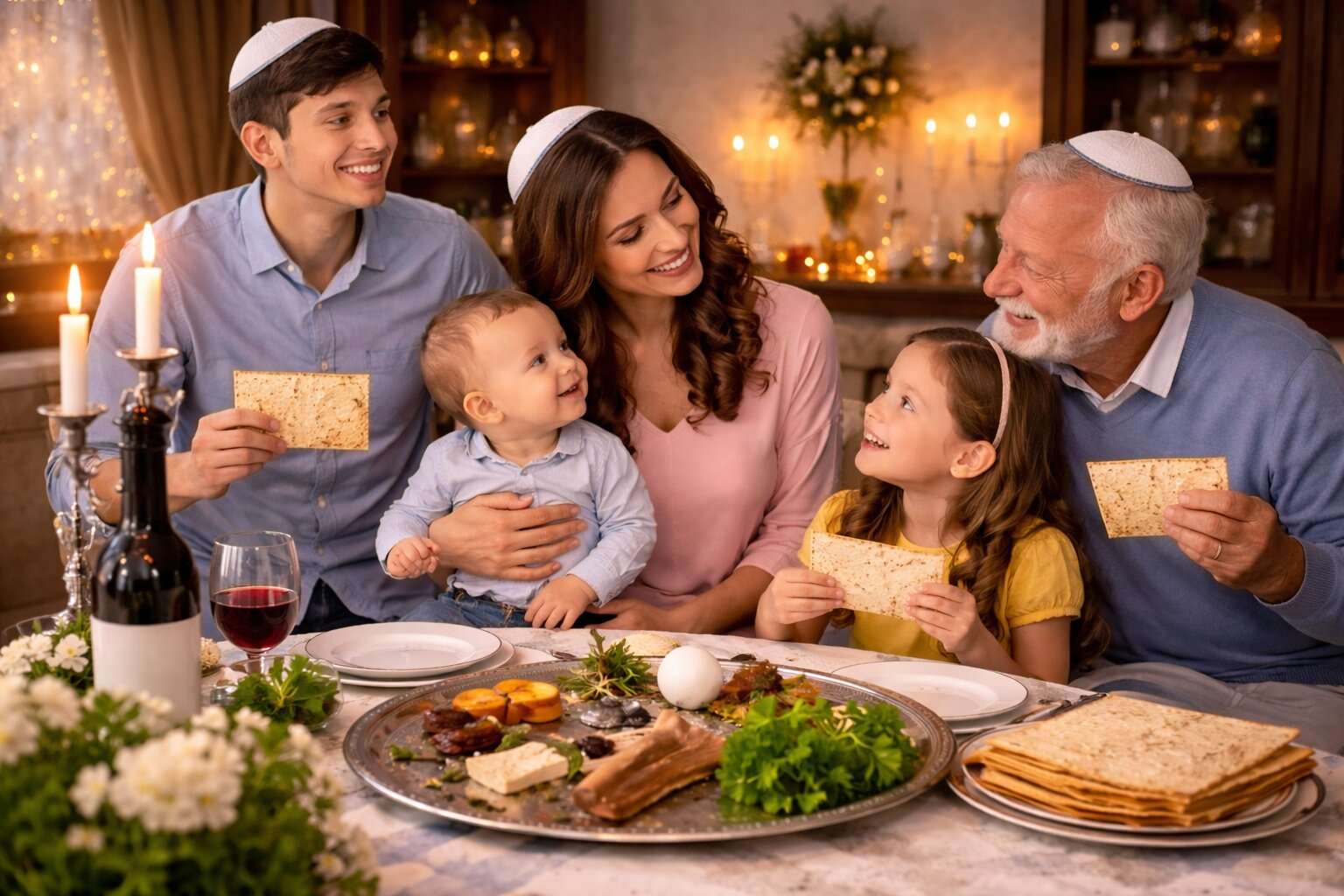
The best Passover wines for 2026 from Israeli producers. Four kosher bottles from $16 to $45 that belong on your seder table this April.
Most Passover wine conversations start with that bottle. You know the one. Syrupy, sweet, vaguely grape-flavored, poured into a small cup four times whether you want it or not. For generations, it was just the way things were.
It does not have to be anymore.
The best Passover wines for 2026 come from Israel, and they bear almost no resemblance to the sticky purple stuff your aunt brings every year. These are wines made by serious producers in ancient mountain terrain, some of it overlooking Jerusalem, some of it farmed since biblical times. They are kosher, yes. They are also just good. The kind of good that makes your non-Jewish guests ask where you found them.
Here are four bottles worth putting on your seder table this April.
Why Israeli Wine Belongs at the Seder Table
Passover and Israeli wine share the same geography. The Judean Hills, the Upper Galilee, the Jerusalem Mountains — these are not new wine regions invented for modern marketing. Vines have grown here for thousands of years. When you pour an Israeli red during the seder, you are, in a very literal sense, drinking from the same soil the story was written in.
That context matters. But so does the wine.
Israel’s modern wine industry has transformed over the past 30 years. Producers like Shiloh, Psâgot, Barkan, and Carmel are earning international scores and challenging assumptions about what kosher wine can be. According to Wine Spectator, Israeli wines have earned steadily higher critical scores over the past decade as winemakers shifted focus toward terroir expression over high-extraction, fruit-bomb styles. The result is a category that rewards the curious drinker.

The Crowd-Pleaser: Carmel Private Collection Winemakers Blend (~$16)
Every seder table needs a bottle that works for everyone. The Carmel Private Collection Winemakers Blend (Cabernet Sauvignon/Merlot, 2021) is that bottle.
Carmel is Israel’s oldest winery, founded in 1882 with backing from Baron Edmond de Rothschild. Over 140 years of production, and this blend still delivers exactly what a seder needs: blackberry and plum upfront, warm spice on the finish, soft tannins that do not demand attention mid-conversation. It is fruit-forward, approachable, and built for the table rather than the cellar.
At $16, you can buy enough to get through all four cups and still have change left over for the afikomen bribe. Pair it with brisket, lamb, roasted chicken, or a hard cheese plate during the pre-seder spread. No decanting, no patience, no complications.
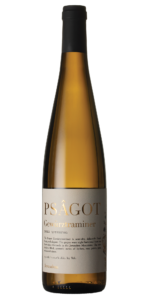
The Conversation Starter: Psâgot Sinai White (~$27)
If your seder leans toward seafood, Moroccan-spiced fish, or a lighter spring menu, the Psâgot Sinai White (Gewurztraminer Dominant Blend, 2024) is the most interesting bottle on this list.
Psâgot is a boutique Jerusalem winery whose barrel cellar is carved into a 2,000-year-old cave. Your guests will not stop talking about that detail. Bring it up early and watch the table come alive before the first cup is even poured.
The wine itself is an aromatic field blend: 70% Gewurztraminer, with Sauvignon Blanc, Viognier, and Chardonnay rounding out the profile. That is an unusual, confident assemblage for any region.
The nose opens with rose petal and lychee, intensely floral without tipping into perfume. The palate follows with melon, peach, and citrus zest over clean, refreshing acid. It is the kind of white that works both as an aperitif while guests are arriving and alongside the meal itself.
Pair it with gefilte fish, spiced salmon, Moroccan chicken, or soft goat cheese. The Jerusalem Mountains elevation gives this wine more brightness and acidity than you would expect from the region — exactly what you want next to Passover’s spiced, herb-forward dishes.
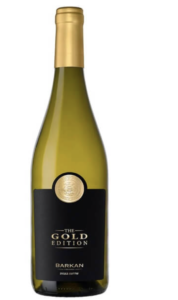
The Elegant Pour: Barkan Gold Edition Chardonnay (~$22–24)
For those who prefer white wine through the meal, the Barkan Gold Edition Chardonnay (2024) earns its place on a serious Passover table without requiring a serious budget.
Barkan is one of Israel’s largest producers, but the Gold Edition line is a reserve-style selection where the winemaking team identifies barrels with exceptional character and bottles them separately. The 2024 vintage draws fruit from both the Upper Galilee and the Jerusalem Mountains, adding textural range to the wine.
Citrus, white peach, and subtle guava on the nose; a smooth, rounded mid-palate with restrained oak that knows when to stop. It sits structurally closer to a white Burgundy than anything from California, which is a meaningful distinction at a seder where the food tends toward richness and spice.
Roasted chicken, sea bass, creamy matzah-based dishes, or a soft brie all work. This is the bottle you open when you want the table to feel considered without making a production of it.
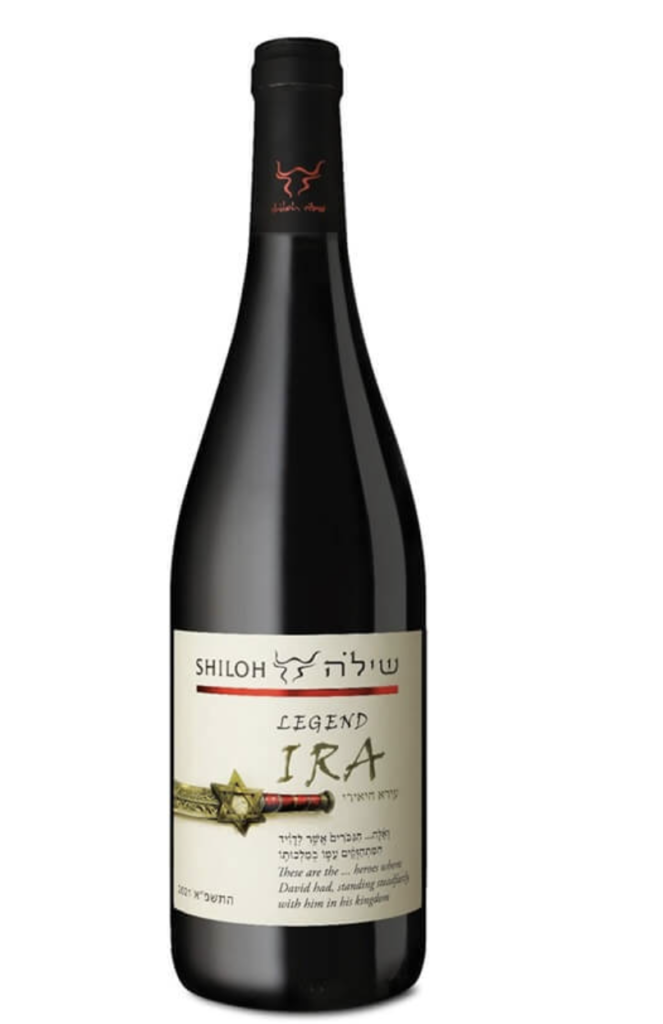
The Bottle for the Head of the Table: Shiloh Legend IRA (~$42–45)
If you are going to splurge on one bottle this Passover, make it the Shiloh Legend IRA (Carignan/Grenache/Syrah/Barbera, 2021).
Shiloh Winery was established in 2005 in the Judean Hills and has built a reputation as one of Israel’s most serious fine wine producers. The Legend IRA is named for the warriors of King David’s kingdom. It is unfiltered, Southern Rhône-inspired, and anchored by Carignan at 45% and Grenache at 34% — a profile that deliberately sidesteps the Cabernet-heavy mainstream of Israeli wine.
Dark cherry, black plum, warm baking spice, and earthy undertones build into a structured tannic backbone that rewards patience. This is not a pour-and-drink wine. Decant it for 45 to 60 minutes before the seder begins and it will open into something memorable.
Braised brisket, lamb stew, roasted mushrooms, aged hard cheese. This is the wine for the long table, the long evening, the stories that go past midnight. At a seder, that is not a liability. That is the whole point.
FAQ: Passover wines for 2026
What wine is traditionally served at Passover, and does it have to be sweet? Traditionally, Passover calls for kosher wine consumed during four ceremonial cups throughout the seder. Historically, many of those wines were sweet, partly due to production limitations and partly by regional tradition. Today there is no requirement that Passover wine be sweet. Dry kosher reds and whites from Israeli producers are widely available and increasingly common at modern seder tables, and they pair far better with the food.
What makes a wine kosher for Passover? Kosher for Passover wine must meet specific production requirements, including being handled exclusively by Shabbat-observant Jews throughout the winemaking process, and using only kosher-certified ingredients and equipment. Many Israeli wines carry full kosher certification as a standard practice. Look for the kosher for Passover designation on the label, often marked as “Kosher L’Pesach,” to confirm it qualifies for the holiday.
Which Passover wine pairs best with brisket? A fruit-forward, medium-bodied red is the classic match. The Carmel Private Collection Winemakers Blend at $16 is the most practical choice for a crowd. If you want something more structured that can stand up to a richer, longer-braised brisket, the Shiloh Legend IRA is the serious answer. Decant it, give it time, and it will hold its own against whatever comes out of that oven.
Set the Table Right This April
Passover 2026 starts April 12. That gives you just enough time to seek these bottles out, chill the Psâgot Sinai White, and retire whatever overly sweet bottle has been showing up at your seder for the past decade. Israeli wine has earned its place at the table — not because of where it comes from, but because of what is in the glass.
Start there. Pour better. The conversation will follow.