

























Discover Perdekamp Emotional Method training, a global “institute of emotional athletes” helping actors and everyday people access intense emotions safely.
On any given week, you might see it in a black-box theater, a studio, a soundstage, or a rehearsal room off Broadway: performers shaking, laughing, crying, then stepping outside for coffee as if they’d just left a Pilates class.
This is Perdekamp Emotional Method training, PEM for short, a system that treats emotion like a physical craft instead of a mysterious mood.
For actors, musicians, and dancers, PEM is a way to hit extreme or subtle emotional states with the same precision a sommelier hits flavor notes in a Burgundy.
For non-performers, it’s becoming a quiet global movement in stress relief, burnout recovery, and emotional literacy. And at the heart of it is one bold promise: as PEM co-trainer Sarah Victoria says, “you can be emotionally intense and safe at the same time.”
“you can be emotionally intense and safe at the same time”
Sarah Victoria
PEM MASTER INSTRUCTOR
From Germany to Australia to Hollywood: A Quiet Revolution in Acting
PEM began in the 1990s in Germany, where theater director Stephan Perdekamp had a simple but radical question: how do you get powerful performances without breaking your actors?
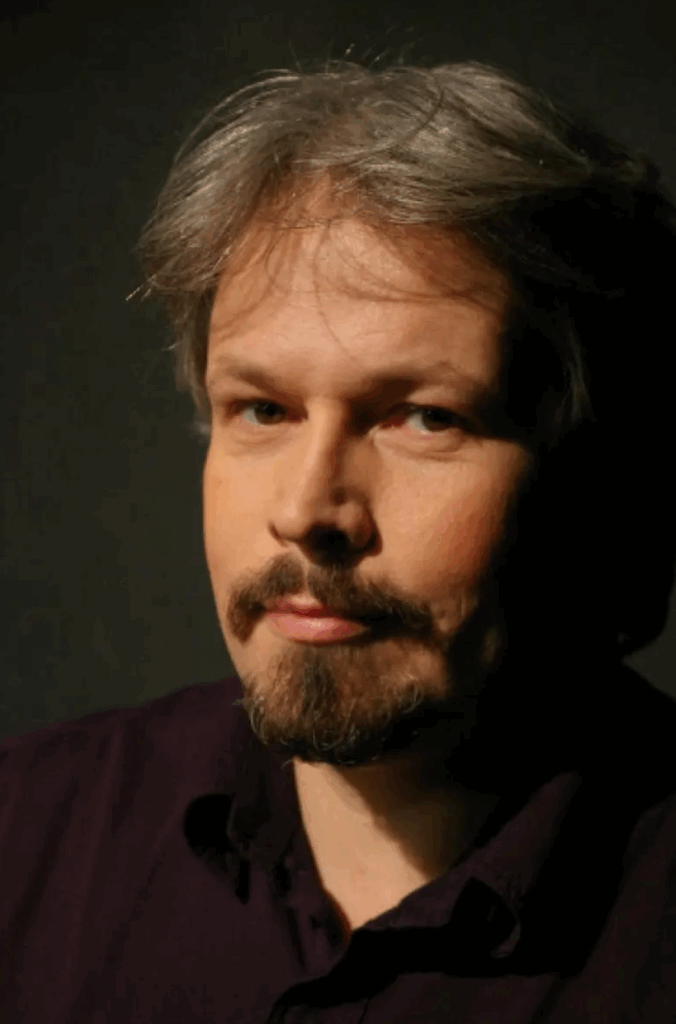
He had watched the old-school approach: directors pushing performers into psychological trauma to get “real” emotion. The stories are almost folklore in Hollywood — the “madman” directors, the on-set mind games, the emotional hangovers.
Perdekamp refused that deal.
Instead, he went in through the body.
He analyzed what actually happens physically when we feel fear, aggression, grief, lust, joy, or disgust. The result was a set of repeatable exercises that create emotional states biologically, through the nervous system, rather than by digging up personal trauma. Or as he puts it, “The actor doesn’t have to sacrifice their health in order to give insights to the audience.”
“The actor doesn’t have to sacrifice their health in order to give insights to the audience.”
stephan Perdekamp
Today, the hub is split around the world with satellite workshops in LA, New York, Seattle, Portland and beyond. You’ll find PEM students who rehearse an intense scene by day, then head out for a fun night — raw on stage, yet relaxed and present at dinner.
What Is Perdekamp Emotional Method Training, Really?
At first glance, Perdekamp Emotional Method training looks like a cross between acting class and athletic training. There are structured warm-ups, clear sequences, and a focus on efficiency.
Instead of asking, “How would you feel if your house was burning?”, PEM asks, “What does your body actually do when it thinks it’s in danger?” It works with what the team calls access points in the nervous system. When those are activated, the body naturally falls into complex movement patterns, what we experience as emotions.
Fear becomes a pattern of urgent forward movement. Aggression becomes pushing and breaking through. Grief becomes the pattern of holding onto and letting go. These patterns can be scaled like a volume knob: soft tremor, steady build, full emotional storm.
Because the mind stays anchored in reality (“This is an acting class; that’s my scene partner; that’s my mark”), performers can go to brutal emotional extremes, then release them in seconds. No staying in character all weekend. No emotional residue dragging home to your kids, your partner, or your roommates.
It’s a surprisingly friendly environment: sweat, breath, sometimes tears, then laughter, a debrief, maybe a glass of wine or an espresso. Just another workday in the body’s emotional gym.
Emotional Athletes: Training the Nervous System, Not the Drama
The phrase “athlete of emotion” came from an acting professor in Wellington who studied PEM in depth. It stuck because it’s accurate. PEM students don’t just “get emotional”; they train emotions.
Like tennis players drilling serves or musicians rehearsing their set, PEM performers train:
Strength – being able to build huge emotional intensity on cue
Control – dialing it up, down, or sideways mid-scene
Recovery – returning to neutral in seconds, not hours, days or even weeks
A grief pattern mixed with a bit of aggression can create that electric, high-stakes argument you’d expect in a drama. Fear layered under aggression can fuel a thriller-worthy chase scene in downtown cityscape.
And because it’s mechanical rather than mystical, it’s repeatable ; take after take, night after night.
PEM also addresses burnout, a familiar word in creative cities. 20th century acting techniques often keeps the mind in danger all day: the body thinks the boat is sinking (as part of the scene on a production set), even when the camera’s not rolling. PEM flips this. The body does the intense internal movement; the mind knows it’s just work.
For many actors, that shift restores their sense of humor about the job. They can go full horror show in a haunted maze in LA or Vegas, then clock out, grab tacos, and talk about literally anything else. That balance of serious craft and playful, comfortable life is the real luxury.
Beyond Actors: PEM for Stress, Burnout, and Everyday Life
PEM didn’t stay in the arts for long. Friends and family of actors noticed something: their loved ones came home calmer, clearer, less reactive. They wanted in.
That curiosity has grown into a second branch of the work: PEM for emotional health and prevention.
In Hamburg, the state-certified PEM Center now coordinates health-prevention efforts in the city’s inner district, and collaborates with unemployment agencies on programs for people with nervous-system issues who want to get back to work. The major research institute for substance use disorder, ZIS in Hamburg, has also approved a randomized controlled trial to study PEM training for people with addiction.
This dovetails with what psychologists already know about stress and emotions affecting the nervous system. For a broader scientific overview, the American Psychological Association has an accessible summary of research on emotion and the nervous system.
For individuals, whether you’re a startup founder, a chef building a new tasting menu, or a curator in Berlin, PEM offers tools to:
Separate fear and aggression so stress doesn’t jam your system
Release tiny, chronic movement patterns that quietly eat energy
Build emotional stamina without “hardening” or numbing out
Long-term students often describe feeling more relaxed, less anxious, and more available to help others once their own stress load drops.
A Global Institute You Can Actually Visit
For a method that deals in tiny electrical currents, PEM is surprisingly real (without the physical world). It’s an institute you can travel to.
Europe: Hamburg remains a core base, with workshops across Germany and in cities from Romania to other European hubs.
Australia: Stephan and Sarah are based in Brisbane, collaborating with local universities and psychologists, including work with clients on the autism spectrum.
United States: Regular appearances in Los Angeles and New York, plus growing programs in Seattle and Portland.
There are also On Demand courses : short, focused trainings in crying on cue, laughing on cue, and character work — plus free teaser workshops and longer multi-month programs online.
Because PEM works with bioelectricity, it transfers well through a screen; students around the world can all step into the same Zoom room and train together.
And if you’re the one in your city with ten like-minded actors, dancers, or musicians and a taste for something new?
PEM will consider coming to your group for an intensive weekend. Think of it as a pop-up emotional gym that visits your neighborhood, leaving you with better tools, sharper instincts, and a refreshed sense of humor about this whole wild life.
FAQ: Perdekamp Emotional Method Training
Q: Is PEM only for professional actors?
A: No. PEM started in the theater but now includes musicians, dancers, directors, and plenty of non-artists. People come for help with stress, burnout, anxiety, and emotional clarity, whether they work on film sets, in tech, in kitchens, or in offices.
Q: Is Perdekamp Emotional Method training safe for mental health?
A: PEM is built around the idea of “safe access” to intense states by working through the body instead of forcing the mind to relive trauma. It’s used in prevention programs in Hamburg and is being studied in a randomized trial for people with addiction. As with any training, if you have a medical or psychiatric condition, it’s wise to talk with your healthcare provider before starting.
Q: What if I don’t live near Hamburg, Brisbane, LA, or New York?
A: PEM offers online group courses, one-on-one coaching, and short On Demand trainings you can follow from anywhere. If you can gather a group of around ten people in your city, it may also be possible to host an in-person intensive there.
The Future of Emotional Athletes
As PEM expands from Hamburg’s canals to Australian sunshine and the soundstages of LA and New York, its core idea stays disarmingly simple: emotions are part of our biology, not our enemy.
In a culture that idolizes hustle and quietly rewards burnout, Perdekamp Emotional Method training gives artists, entrepreneurs, and everyday humans a different option: learn the mechanics, protect your nervous system, and keep life full of comfort: onstage and off.
Whether you’re a director in Manhattan, a DJ in Berlin, a designer in Hong Kong, or just someone who wants to feel less hijacked by stress, the school of emotional athletes is open. You’re invited to step in, train, and then walk back out into your city feeling a little freer, a little safer, and a lot more fun-loving.
Visit www.pem-acting.com, @pem.acting and PEM Master Instructor @sarah_victoria_pem to explore workshops, On Demand courses, and long-term training options.
Discover Perdekamp Emotional Method training, a global “school of emotional athletes” helping actors and everyday people access intense emotions safely.







The “no emotional residue” thing is huge.
“Emotional gym” is my new favorite phrase. Does it burn calories?
As someone who stayed “in character” for three months and lost two relationships, WHERE WAS THIS IN 2019???
My kid’s been doing “emotional recall” for two years and it’s been HELL. Sending this to their coach.
crying on cue would really help at wine auctions when I’m bidding.
“Institute of emotional athletes” sounds like a cult but in the hot way.
I’m not an actor but I want this for dealing with restaurant assholes
brilliant marketing. Americans will try anything if you make it sound like CrossFit.
Emotional states with the same precision a somm hits flavor notes – finally, someone speaking my language
If this is real, I will convert to whatever religion it is. LOL
The athletic training comparison makes total sense. We train physical skills in kitchens, why not emotional skills?
FINALLY, Artists who can actually show up for a meal.
So tired of method actors who make every social gathering about their process.
Wish I’d known about this 5 years ago.
“No staying in character all weekend” I literally quit acting because I couldn’t separate anymore.
repeatability is what separates professional technique from amateur hour
No more babysitting emotional meltdowns.
“Like a volume knob” for emotions is exactly what I need.
raw on stage, yet relaxed at dinner
“The actor doesn’t have to sacrifice their health” should be tattooed on every director’s arm.
Did Juilliard, learned trauma-based techniques, ended up in therapy.
Students need to know training can be rigorous without being traumatizing.
We train stunt performers, why wouldn’t we train emotional performers?
Not staying in character all weekend saved my marriage
Working with clients on the autism spectrum shows incredible range. This isn’t just for neurotypical performers. That’s important.
“Stepping outside for coffee as if they’d just left a Pilates class”, that’s the energy we need on every set.
The precision comparison to a sommelier hitting flavor notes? Perfect analogy.
Raw on stage, yet relaxed and present at dinner, THIS IS THE DREAM.
Maybe a glass of wine or an espresso after training? Be civilized
Art doesn’t have to mean suffering through every meal.
Take after take, night after night, repeatable? That’s the production dream.