






















Discover the Perdekamp Emotional Method (PEM) origin story, how director Stephan Perdekamp built a safe and direct body-based approach to emotion for actors worldwide
In the 1990s, European theater was famous for intensity. And infamous for how directors pushed actors past their limits.
Emotional breakdowns were treated like trophies.
Pain was “truth.” And young performers in cities like Berlin, Los Angeles, New York, and Chicago were told that suffering was simply part of the craft.
But one director refused to follow that script.
The Perdekamp Emotional Method origin story begins with Stephan Perdekamp, a young artist who looked at the emotional harm around him and said no more.
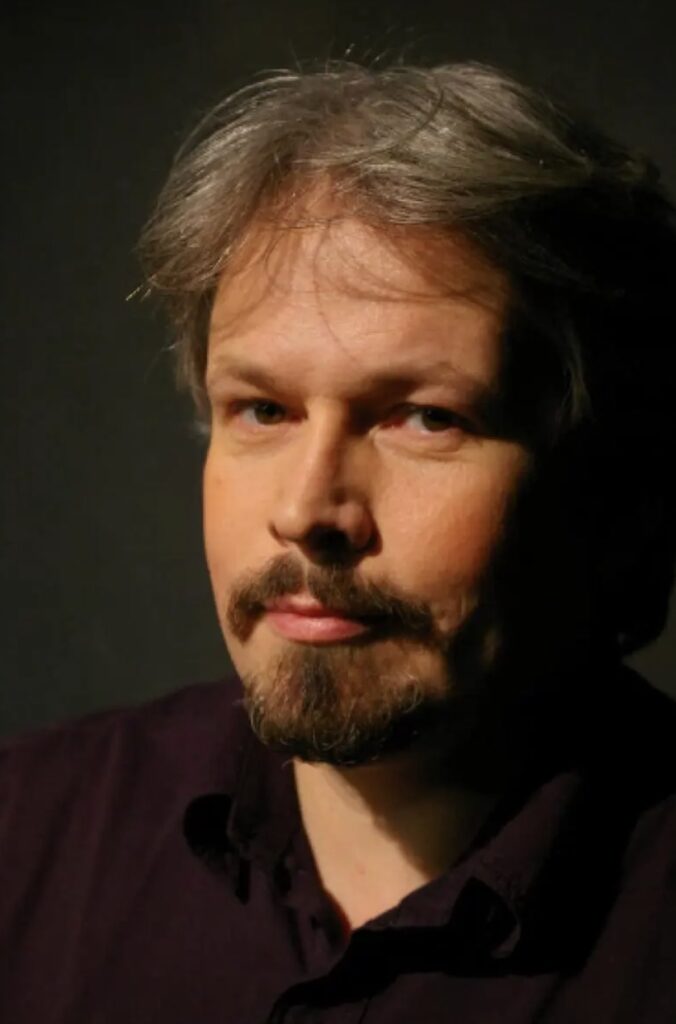
Instead of breaking actors, he started building a humane, body-based way to train emotion safely, creating a comprehensive acting method. Sarah Victoria, a sharp, fearless collaborator, helped turn this acting technique into a global method reshaping performance culture around the world
The Starting Point of the Perdekamp Emotional Method PEM Origin Story
Stephan Perdekamp came up during a time when emotional risk was confused with emotional harm. Directors pushed actors to “open the wound” and dig into personal trauma for every role. What he saw felt wrong; brilliant performances built on broken people.
He witnessed actors leave rehearsals shaking, crying, or numb. Some struggled to return to daily reality. Others lost track of boundaries. In our interview, Sarah recalls that older approaches were so destabilizing that “you can lose the ability to identify reality.”

Stephan didn’t want to be that kind of director.
He didn’t want applause built on someone else’s collapse.
So he did what true innovators do, he questioned everything.
And then he built something new.
Inside the Experimental Lab Where a New Method Was Born
Turning Emotion Into a Physical Skill
The Perdekamp Emotional Method origin story begins quietly, in a small rehearsal room where Stephan ran private experiments with actors. Instead of asking them to remember pain, he studied how the body naturally creates emotion.
Breath. Muscle tone. Micro-movements. Nervous-system patterns.
Actors discovered they could reach fear, joy, grief, or aggression without touching old wounds.
Actors discovered they could reach fear, joy, grief, aggression and the vast palette of emotions and feelings directly without touching old wounds
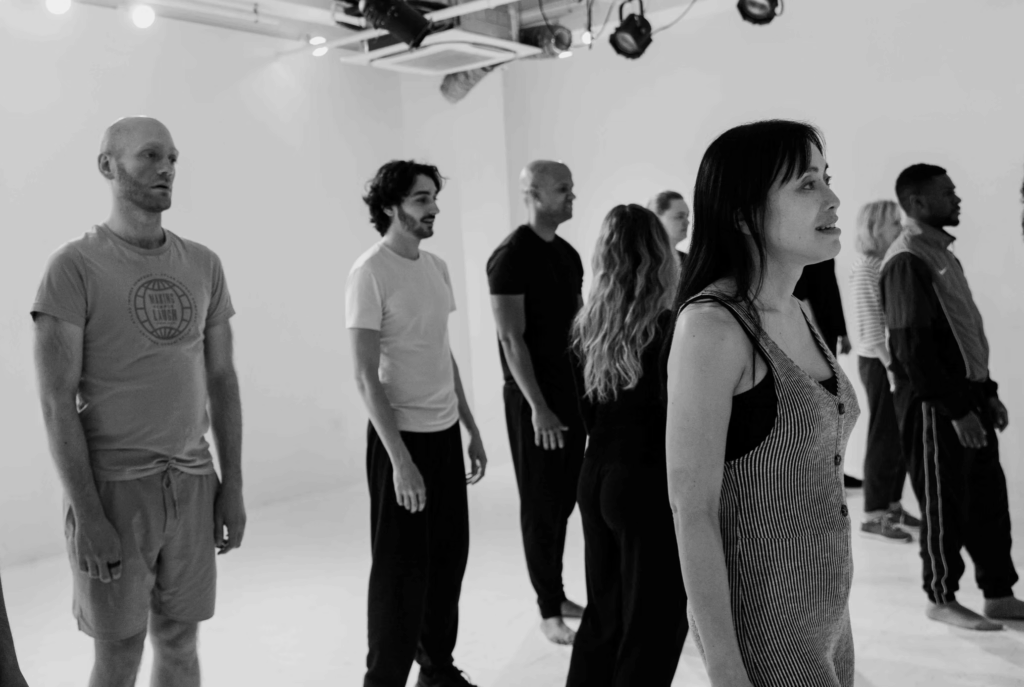
It was relatable in the best way: like discovering an emotional “switchboard” you didn’t know you had. And yes, some early exercises looked funny from the outside. Watching actors practice fear runs would make even a Berliner at 4 a.m. crack a smile.
But what mattered was this:
intensity no longer required self-harm.
For performers used to high-pressure environments, think LA pilot season, Broadway rehearsals in Manhattan, or back-to-back shows in Vegas, this approach felt like oxygen.
It also made space for a more fun-loving rehearsal culture. Actors could dive into emotional storms, reset instantly, and then enjoy real life, without carrying the character home.

The Arrival of Sarah Victoria: The Missing Piece
A Collaboration That Changed Everything
When Sarah Victoria met Stephan Perdekamp and his method, she instantly recognized that this is a world class acting technique that could speak to thousands of actors. More importantly, she had lived through unsafe training and instantly recognized the value of his approach.
Stephan had tested, solidified, and finalized amongst other things:
- emotional triggers through physical cues
- how breath changes alter the nervous system
- how to release intense emotion cleanly
- how to protect actors from psychological overload
If something didn’t feel safe, Stephan rebuilt it.
If something wasn’t repeatable, he rewrote it.
If something risked harm, it was gone.
Her performances in the PEM Ensemble proved the technique’s power. Sarah brought courage and the willingness to be the face and voice of PEM and share it with so many actors worldwide for the last decade.
She helped transform a small theatre lab into the global force PEM is today.
From a Small Studio to a Worldwide Method
A Revolution Built on Safety, Science, and Respect
When directors began observing PEM, they were stunned. Actors showed grief, rage, or love on command — and then snapped back to calm neutrality.
One director watched a grief demonstration and asked, astonished:
“You don’t have to do anything else?”
No trauma.
No emotional hangover.
No cruelty disguised as art.
Sarah Victoria has been teaching PEM within the German speaking countries since 2004 and Internationally since 2011 and has reached about 3000 people in workshops and online sessions from 55 countries, across 5 continents.
Overall, over 10,000 people have done shorter or longer PEM courses in the past 2 decades.
Word spread fast, across Europe first, then Australia, now to the US. Today, PEM is taught in major cities including Los Angeles, New York, Chicago, Seattle, Portland, Miami Beach, Sydney, Brisbane, Berlin and Hamburg
Performers love it because it protects them.
Directors love it because it works.
And audiences never know the difference, except that the acting feels even more alive.
It’s a method that respects human beings, supports artistry, and still leaves room for flavor — real food, real joy, real off-hours life.
FAQ Perdekamp Emotional Method (PEM) Origin
Q: What makes the Perdekamp Emotional Method different from traditional acting techniques?
A: PEM uses the body, not personal trauma, to trigger emotions. It’s designed to keep the mind calm while allowing intense emotional expression.
Q: Is PEM safe for beginners?
A: Yes. The method is structured to protect mental health, making it ideal for new actors and seasoned professionals alike.
Q: Can non-actors use PEM?
A: Absolutely. PEM is used in wellness, coaching, and personal development because it teaches emotional regulation through the body.
A Future Where Art Doesn’t Hurt
The Stephan Perdekamp’s PEM Emotional Method origin story reminds us that better art comes from better care. Stephan and Sarah built a method that lets performers feel deeply without losing themselves — a method shaped not by ego, but by empathy.
In a world where mental health finally matters, PEM offers a new path forward: strong art, safe artists.
Visit www.pem-acting.com, follow @pem.acting and PEM Master Instructor Sarah Victoria to explore workshops, On Demand courses, and long-term training options.
Stephan Perdekamp’s PEM Emotional Method origin story, how Stephan and Sarah built a safe, body-based approach to emotion for actors worldwide.






“Applause built on someone else’s collapse” hit hard. We’ve all seen it. Time to retire that whole aesthetic.
Love that this makes space for “real food, real life.” Acting shouldn’t mean giving up everything that makes life worth living.
This is absolutely terrifying. Hollywood is crazier than I thought
“Applause built on someone else’s collapse” this line hits HARD. Ya’ll need to normalize work that doesnt destroy people.
I studied in the 90s. The “open the wound” approach nearly destroyed me.
Smart money says this becomes industry standard within a decade.
This is validating and also heartbreaking. Better late than never???
“No emotional hangover” is my new favorite phrase.
The parallel between protecting actors and protecting wine during the aging process is actually perfect. You want transformation, not destruction.
Finally someone said it. I’ve seen too many talented actors burn out from “trauma mining” methods.
Been doing scene study for 3 years and still feel wrecked after emotional scenes.
This is why I quit acting the first time. Couldn’t enjoy ANYTHING after rehearsals.
Actors who can’t separate from their characters are exhausting dinner companions.
Like a perfectly balanced wine, intensity without the harsh tannins. You get the full body without the bitter
“You can lose the ability to identify reality” – I’ve BEEN there.
Back in my day we called it “suffering for your art.” Glad the next generation doesn’t have to destroy themselves for a good performance.
55 countries, 5 continents, and it started in one rehearsal room. Biopic in the making?
Acting shouldn’t mean sacrificing weekend brunch with friends.
Too many directors still think destruction equals dedication. This needed to be said.
My professor literally told us “good acting hurts.” Then I read this. Starting to question everything I was taught.
High intensity without the self-destruction. Perfect balance.
I literally left rehearsals shaking last month. My director called it “breaking through.” It was just abuse.
My MFA program glorified emotional breakdowns. Wish I’d known there was another way before I spent $120K on trauma disguised as training.
Glad someone finally documented how toxic it actually is instead of romanticizing the “suffering artist” BS.
55 countries teaching this? Please God come to more places than just LA/NYC
Back-to-back shows would destroy anyone without a reset mechanism
Is Sarah Super hot or am I crazy?
The 90s European theater scene was WILD
Someone needs to make a doc about this.
I’ve taken SO many acting intensives that promised transformation.
So many people should been spared so much damage.
That’s the difference between burning out by 30 and having a sustainable career
Directors being “stunned” by grief on command tells you how rare actual technique is.
Better art comes from better care
finally someone understands that sacrificing your ability to enjoy meals isn’t noble, it’s sad
A method built on empathy, not ego. That’s rare in any industy.
HOnestly, why do creative fields glorify misery so much???
This is work-life balance done right.
The fact that actors could “dive into emotional storms, reset instantly, and then enjoy real life” is revolutionary.
This whole suffering = authenticity mindset destroyed so many careers in kitchens too
THANK YOU for acknowledging that artists need to actually LIVE.
teaching since 2004 and I’m just hearing about this in 2025?? Where has this been hiding my whole career
You can lose the ability to identify reality
This is the energy we need more of in this industry.
Love that it started because someone refused to hurt people for art.
this is what every director dreams of. Consistency without drama
We’ve all seen careers end because of toxic training methods.
Finally someone tells this story right. 90s European theater was BRUTAL.
The “no trauma, no hangover” approach is luxury. True luxury is mastery without cost. That’s premium in any field.
Royal Academy trained, did everything “right,” and still ended up in therapy for years
“Repeatable” is the key word. Well done
I was that actor leaving rehearsals shaking and numb in the 90s. Reading this made me cry.
Respect the process, protect the product. Same with wine
Art should include joy, not just suffering. Same with food.
Been directing 25 years. Wish I’d known about this in the 90s.
Actors need to eat and live like humans, not tortured artists.
Actors who can “reset instantly” are the best customers.